The fence you already own decides which of these borders fits: a grey metal fence takes a wire trellis for climbers, a smooth wooden or vinyl one suits a raised bed, and a boundary with sun at one end and deep shade at the other needs different plants along each stretch.
The ideas range from a low accent hedge that adds almost no privacy to a clipped viburnum wall that asks for regular trimming.
Several of these ideas need only a shallow bed a few inches deep, a curve traced with a garden hose, or a line of evenly spaced standard trees.
1. Layered Planting
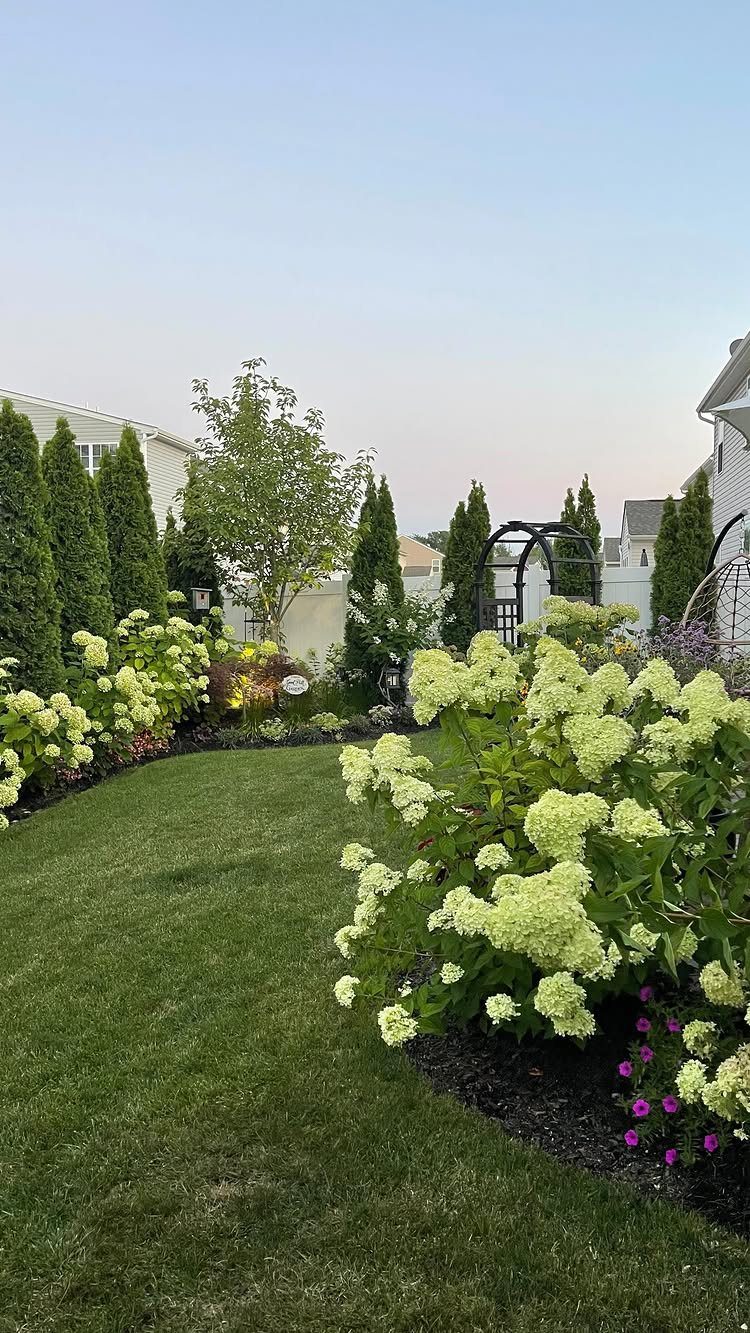
Tall evergreens at the back, flowering shrubs in the middle and a small tree off to one side give a fence border depth that a single row never has.
A white fence is a clean backdrop for this, since the shapes read clearly against it.
Plant the tallest pieces first, then step down in height toward the lawn.
Odd-numbered groupings look more natural than evenly spaced plants. A curved bed edge helps too, because the layers can overlap instead of lining up like soldiers.
2. Small Planting Beds with Palms
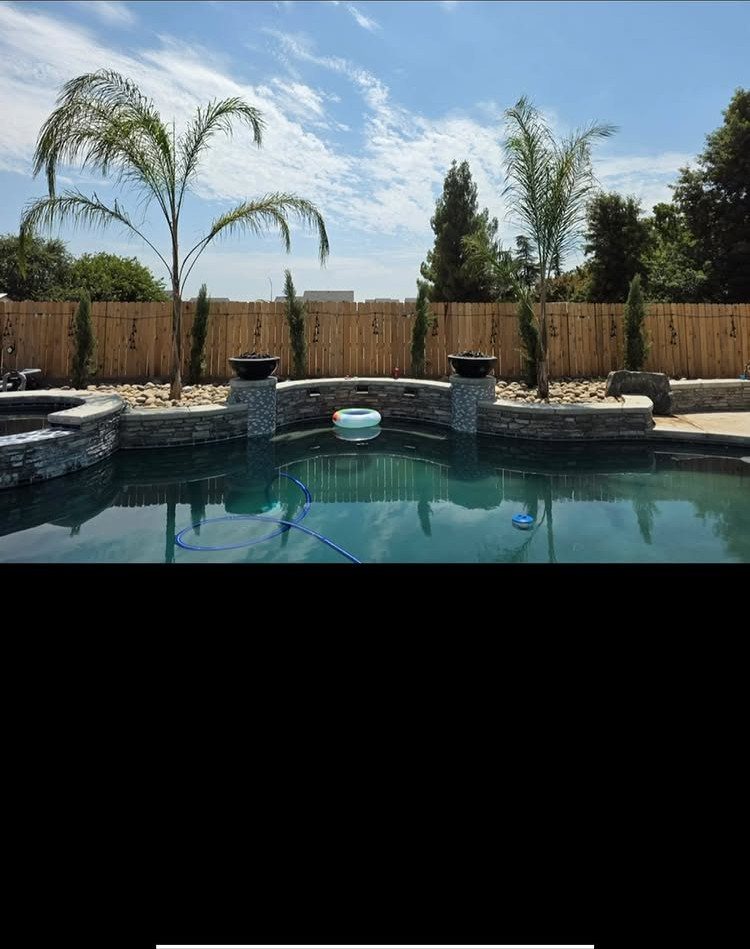
Gravel beds cut into the edge of a patio or pool deck can hold a palm or two and a few low shrubs, and the fence behind them stops looking like a plain wall.
The beds stay small, so each plant has to earn its spot.
I would pick one or two palms as the focal points and fill the gaps with shrubs that stay low.
Gravel keeps the look tidy and tropical, and it suits a wooden fence well. Check the mature size of any palm before planting, since a crowded bed loses the effect quickly.
3. Raised Bed by Fence
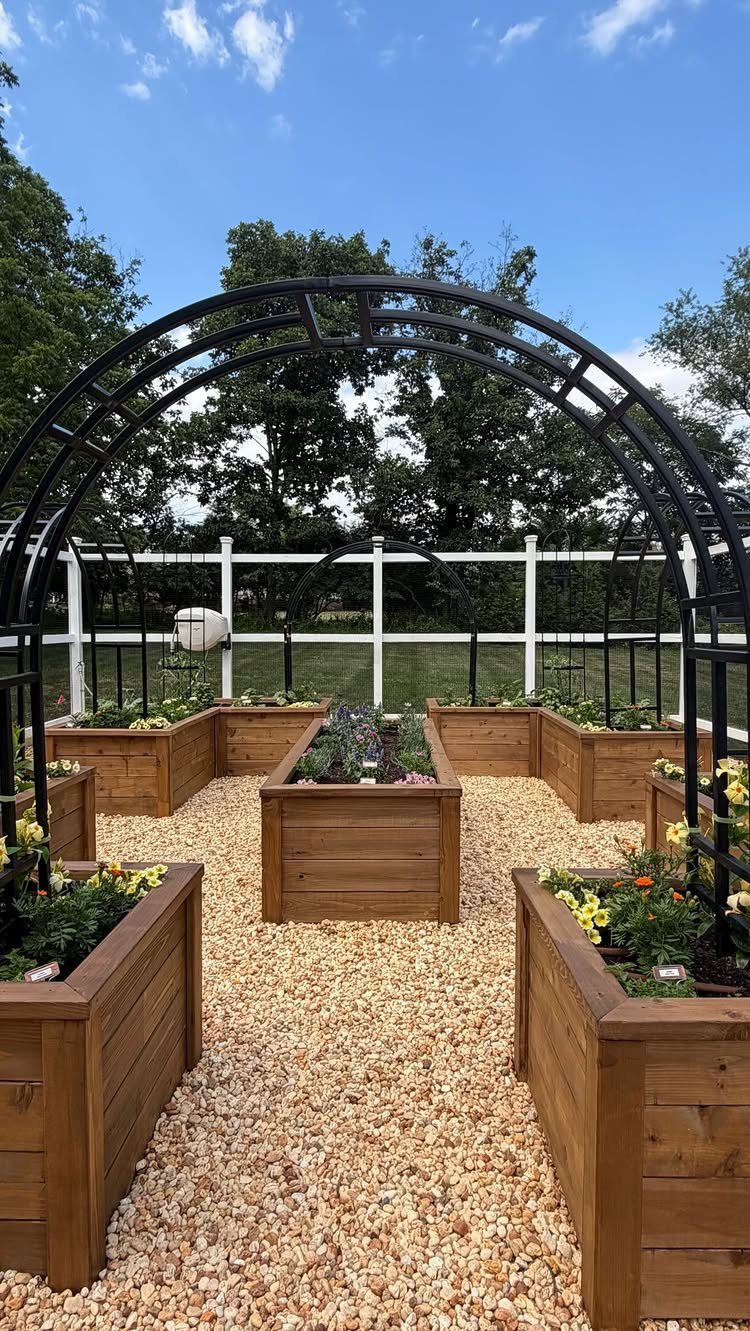
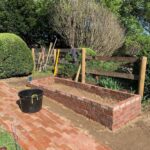
A raised bed set parallel to the fence lifts the planting off the ground and gives you a tidy frame for color, texture and form.
Wood is the natural choice against white vinyl, and the contrast is part of the appeal.
Pair it with an arbor over a path and the fence line gains height without a single extra plant.
Mix upright, trailing and mounding plants in the bed so it looks full from the first season. Leave room on the path side to walk, because a bed jammed against the fence is hard to reach.
4. Standard Trees in a Line
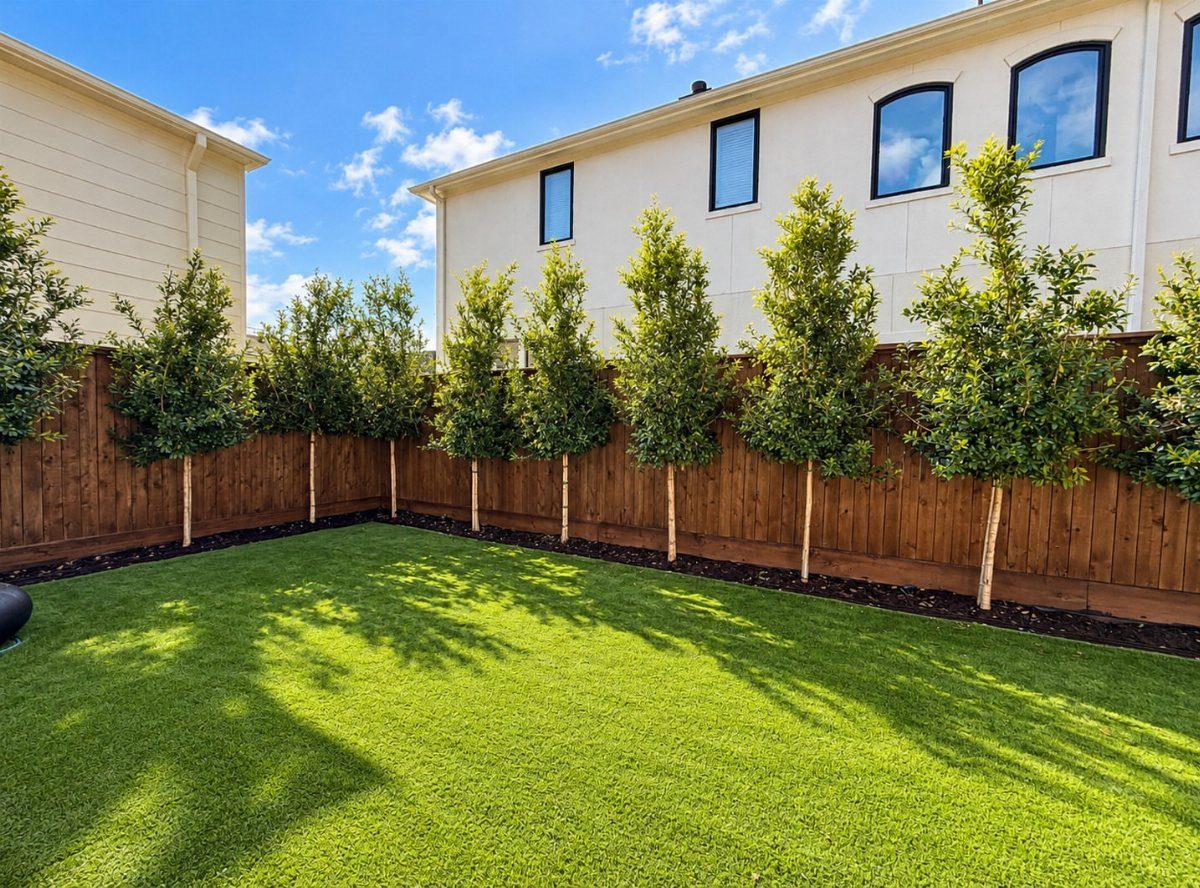
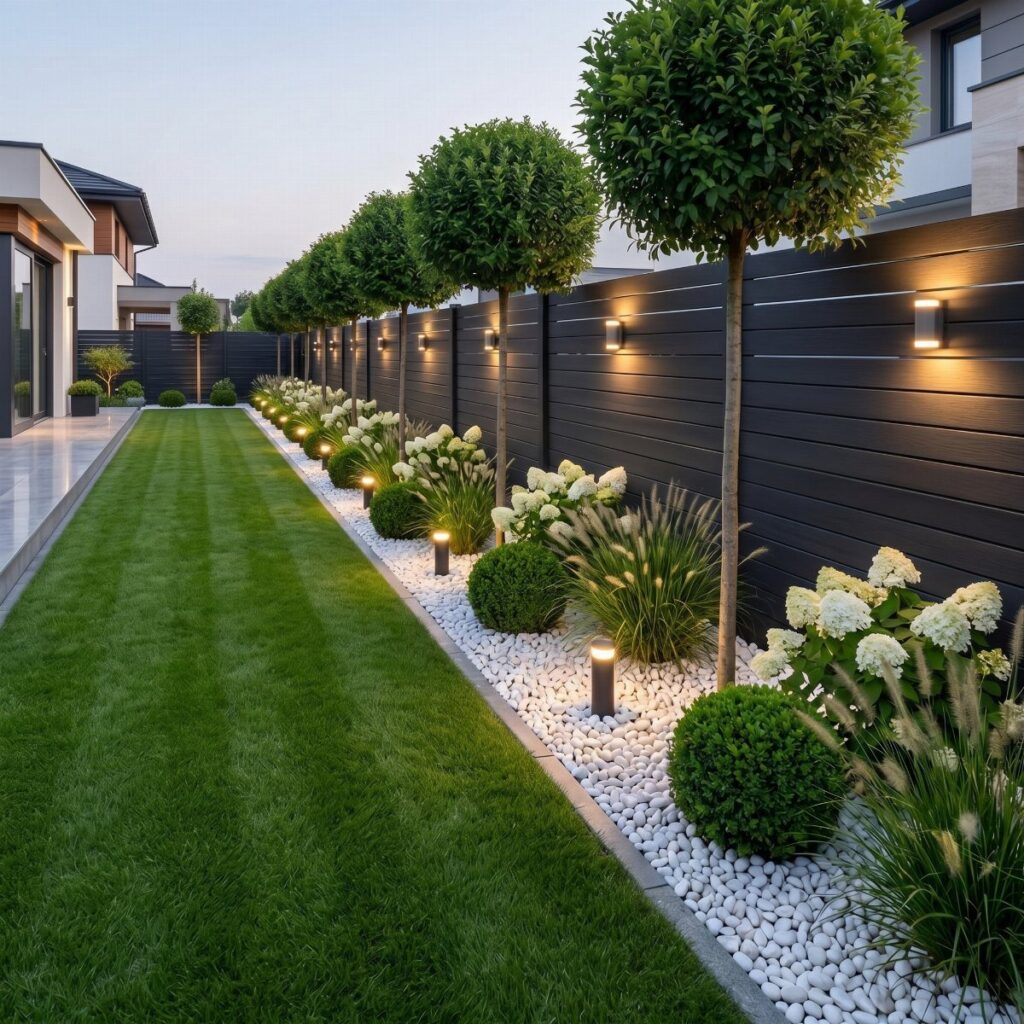
Slender trees with clear trunks and tidy tops, spaced evenly along a fence, make a yard look planned. Mulch around each base keeps the line clean and saves you from trimming grass at every trunk.
Even spacing is what sells this look, so measure and mark every planting spot before digging.
Trees in a row also pull the eye along the boundary, which can make a short yard feel longer. Match the species and the size at planting, or the row will look uneven for years.
5. Curving Planting Bed
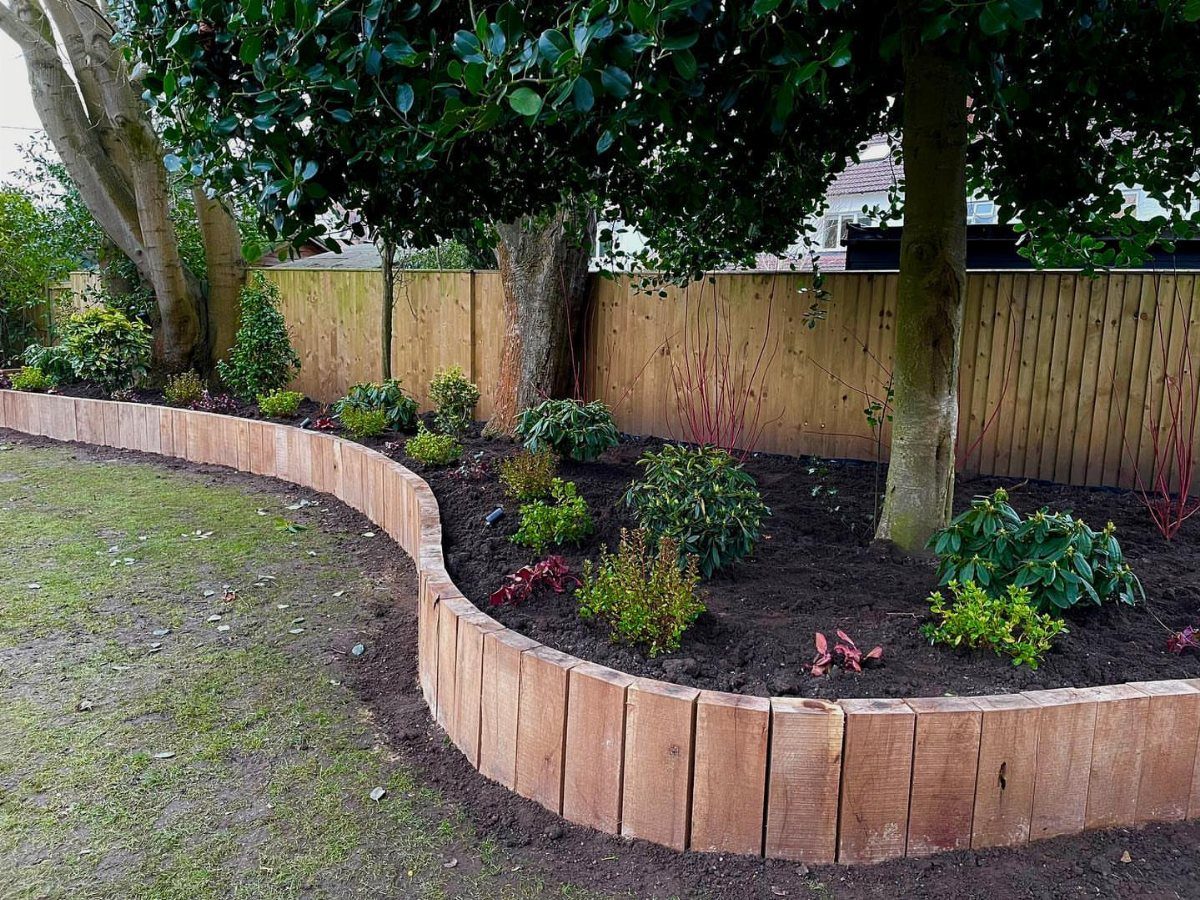
Straight fences look stiff, and a bed that bows away from the boards fixes that with one change of shape. A curve also gives you room to layer shrubs of different sizes without them looking lined up.
Lay a garden hose on the lawn to find the curve you like before you cut anything.
Plank edging keeps the bed shape crisp and holds soil in place. Small shrubs work well here, especially under larger trees where space is tight.
6. Manicured Viburnum Hedge
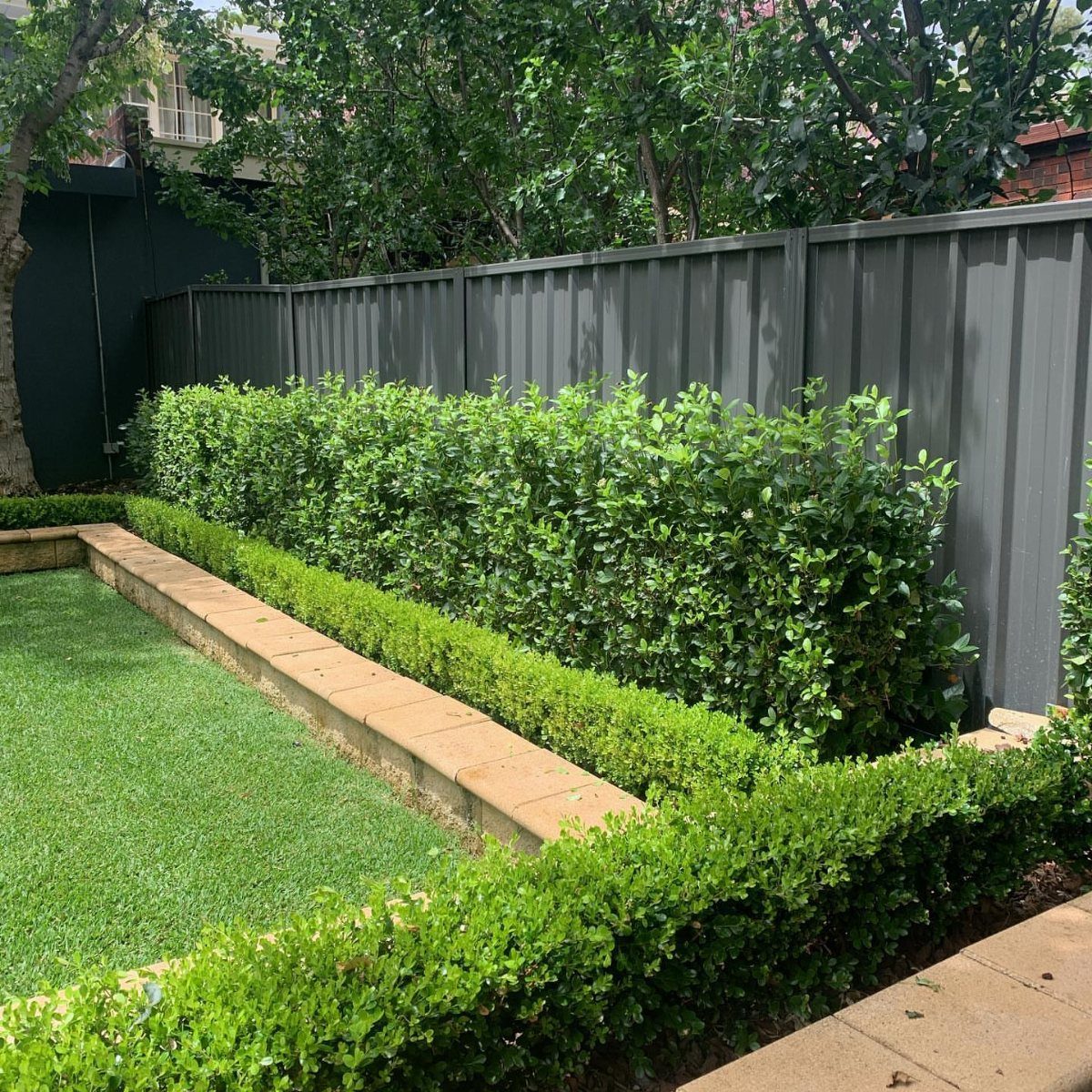
Viburnum makes a tough, reliable hedge, and its white spring flowers carry a sweet scent along the fence line; there are enough varieties that you can pick the size and habit that fit your yard.
Clip it tight for a formal, tidy wall of green, as in front of a grey metal fence, or let it grow looser for a softer look.
I prefer the clipped version against a modern fence, especially with a lower box hedge in front and a stone border to hold the lines.
Expect to trim regularly to keep that shape. Left unclipped, it asks for much less work and still gives you the flowers.
7. Climbing Fence Plants
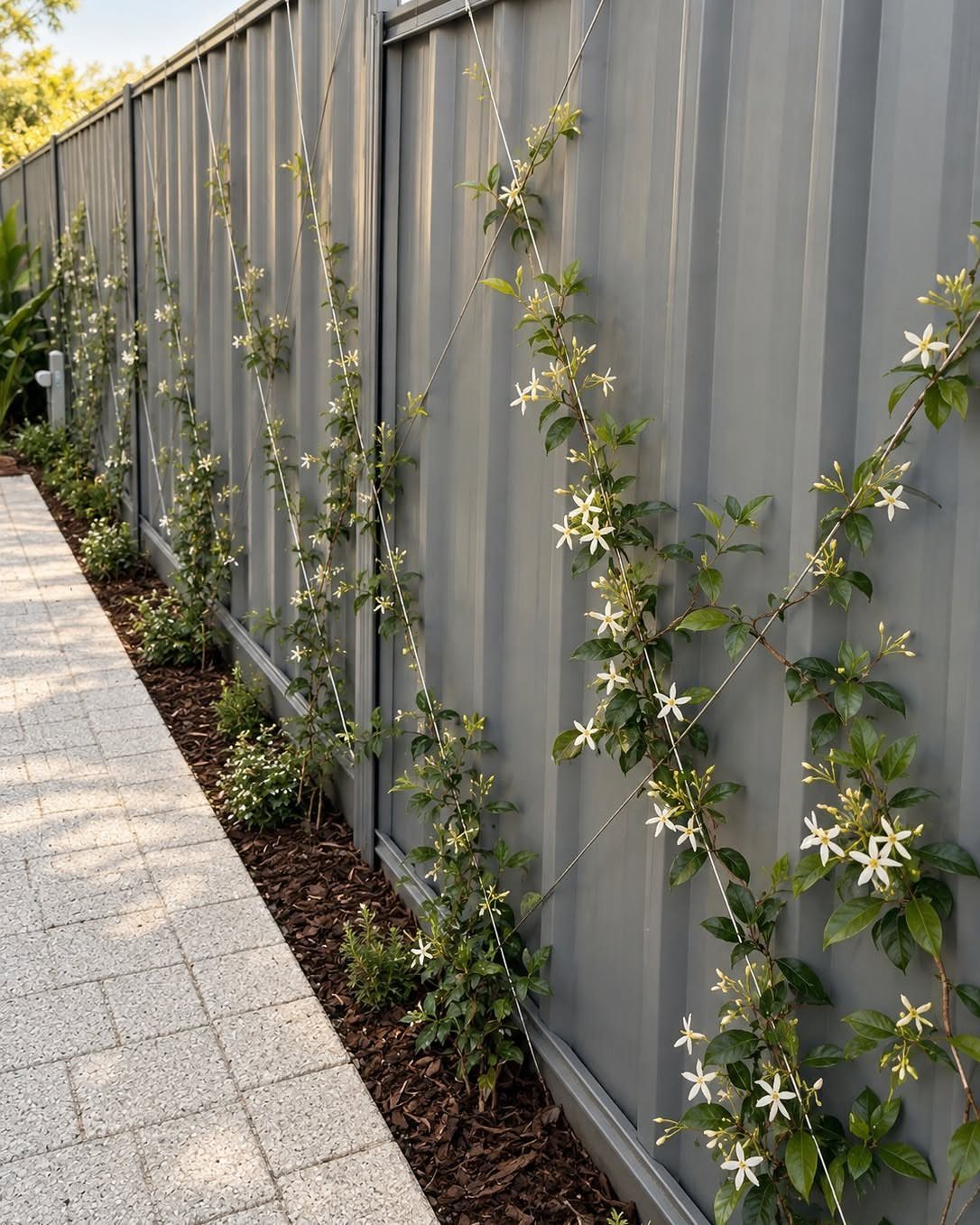
A wire trellis fixed to a grey metal fence lets climbers cover the barrier from the ground up, so the boundary becomes a green wall that takes only a few inches of bed depth.
Pale flowers show up well against the dark metal.
Wires are a good choice on a smooth metal fence, since the vines get something to grab that the panels don’t offer. Set the wires before planting, and tie in young shoots until they hold on their own.
I like a strip of dark mulch under the climbers: it keeps the base tidy and makes the white blooms stand out.
Elena Fox, a landscape designer at Terremoto, says, ‘In this space, the fence serves a dual purpose – not just as a boundary, but as scaffolding for vines and taller plants to climb.
8. Fence Accent Hedge
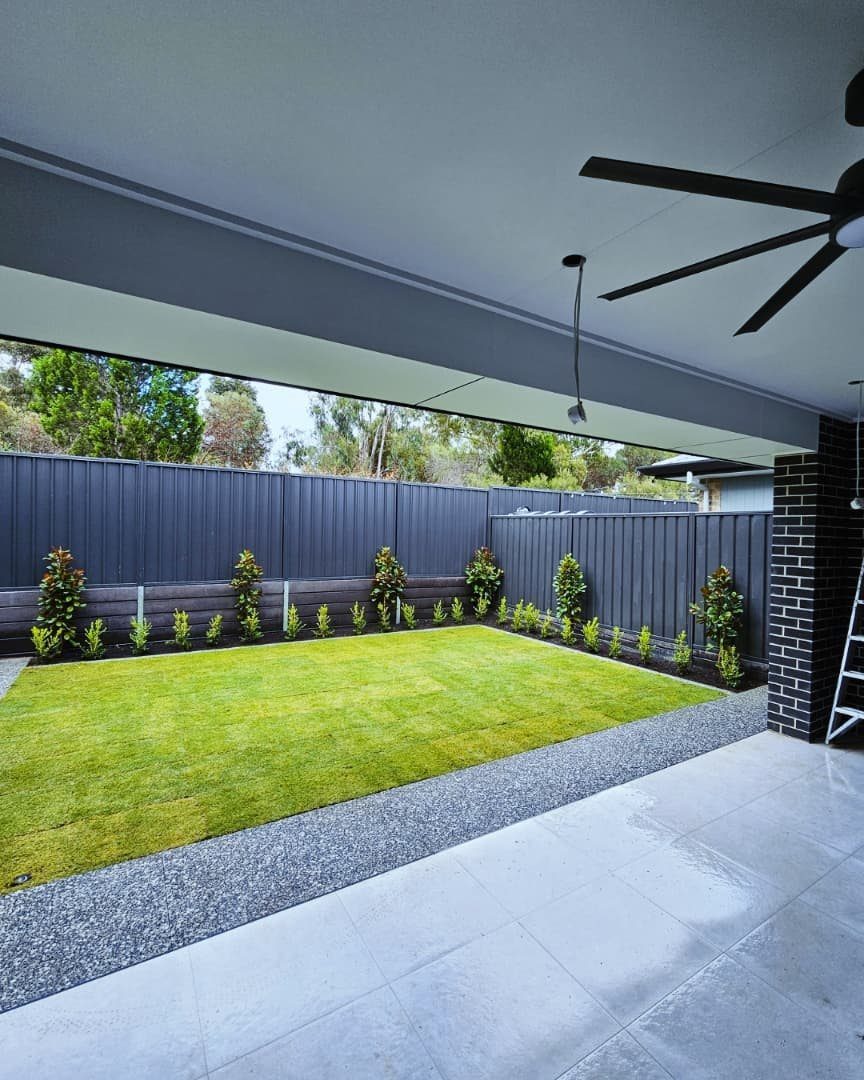
A low row of small shrubs planted along a dark grey fence frames the boards instead of hiding them. Keep the hedge short so the fence stays the feature.
A narrow bed is enough for this.
Choose compact shrubs that stay well below the top rail, and space them evenly so the line reads as one clean edge. Clip lightly to hold the height.
On a handsome modern fence, I would always pick this over a tall screen. Privacy is the trade-off: a low hedge adds almost none, so pair it with taller plants elsewhere if you need cover.
9. Mixed Plant Textures Along the Boundary
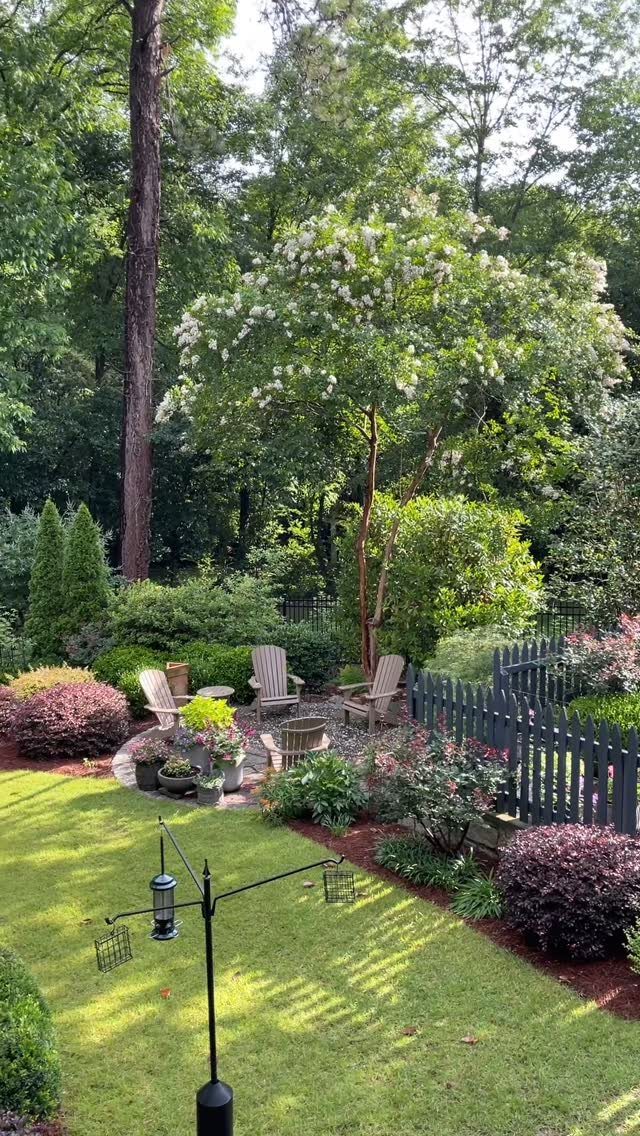
Mixing leaf shapes and sizes along a boundary gives the eye something to read from end to end.
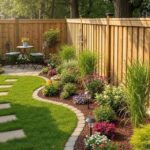
Fine, feathery foliage beside broad leaves, a few flowering shrubs, and one small tree keep a grey picket fence from looking like a plain line.
Group plants of one texture in clusters, then alternate the clusters. Repeating a plant two or three times along the fence ties the whole border together, so it looks planned rather than random.
Leave open lawn in front for a small seating area. A border this full needs a place to be enjoyed, and chairs plus a bird feeder give you one.
10. Drought-tolerant Design
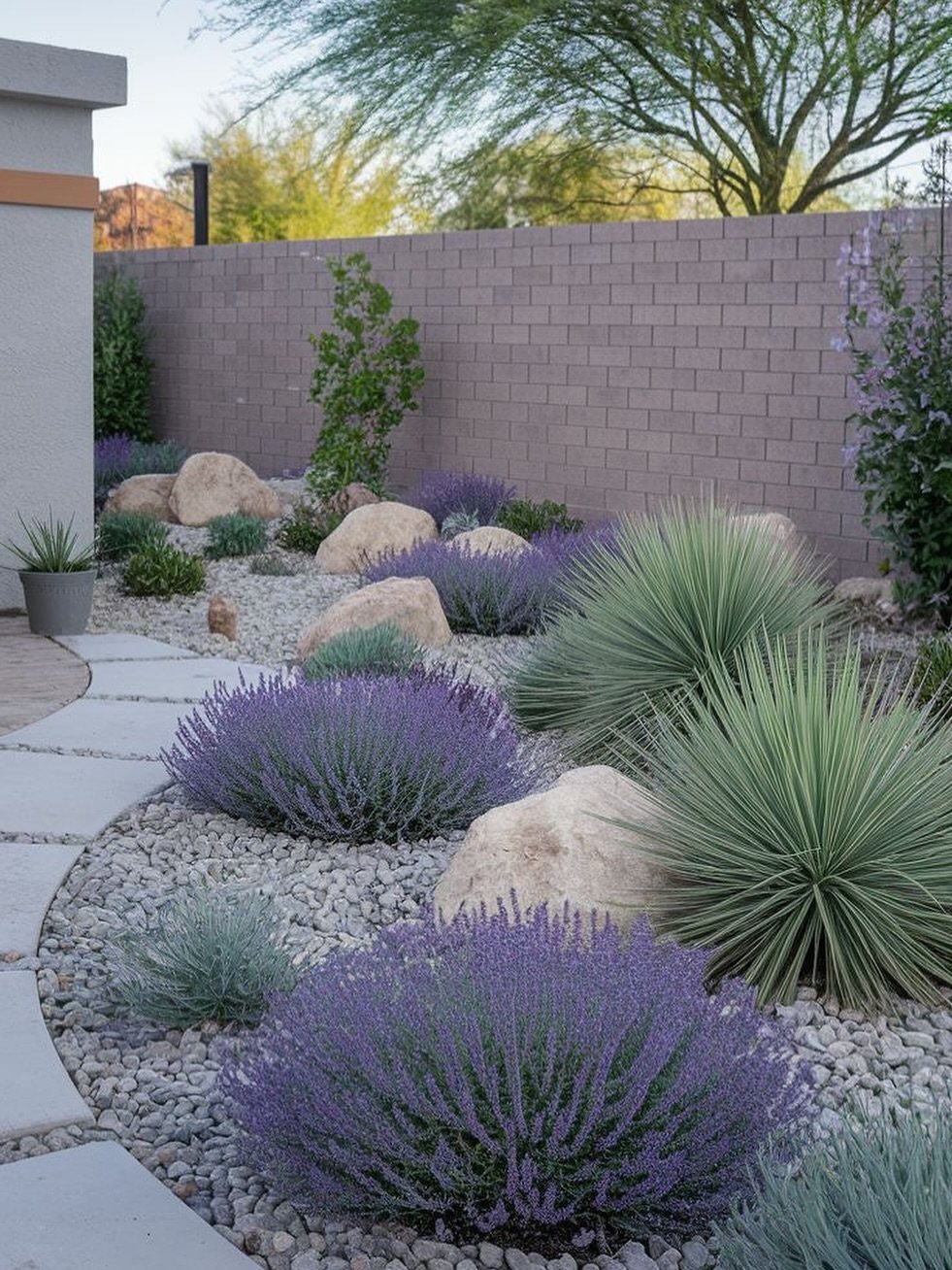
Against a grey block fence, the pale stone and sharp leaf shapes look clean and deliberate.
Gravel does double duty here, finishing the bed and cutting down on weeding.
Set the boulders first, in uneven groups, then tuck plants around them. Keep the spiky plants back from the path edge so no one brushes against them.
Water more often in the first season while roots settle, then ease off. Choose plants suited to your own climate and sun before buying.
Choose Plants for Site Conditions
Plant choice starts with your local climate and soil, not with the look you want. A shrub that thrives in one planting zone can sulk or die in another, so check your zone before you shop.
Next, read the light along the fence.
A boundary line often has full sun at one end and deep shade at the other, so match each stretch to plants rated for that exposure instead of buying one plant for the whole run.
Drought tolerance and disease resistance are worth a look on the tag too. A plant that shrugs off dry spells and common problems saves you money on replacements and weekend work.
Watch for the one problem spot. A steep slope, a soggy patch where water won’t drain, or a shady corner where nothing grows each call for plants chosen for that condition.
Some spots, like a shortcut where people cut across the bed, may not support any plant. Plan a path there instead.
Frequently Asked Questions
What can I put on my fence to make it look nice?
A wire trellis with climbing plants is a strong pick, because the vines turn a plain metal or vinyl fence into a green wall using only a few inches of bed depth.
Paint or stain also changes the look: black or dark gray reads as modern, while stained wood lets the natural patina show. Run the wires first, then plant, and tie young shoots to them until the vines grip by themselves.
What should I plant next to my fence?
Climate zone matters, and so does sun: one end of a boundary line is often in full light while the other sits in deep shade, so pick plants for each stretch.
Viburnum is a tough, dependable hedge with white spring blooms, while compact shrubs suit a bed meant to frame the fence rather than hide it.
Mature size on the plant tag tells you whether a shrub will stay in its bed or crowd it in 3 years.
How do you landscape around a fence?
Plant in layers: the tallest plants at the back, flowering shrubs in the middle, and low plants toward the lawn.
Curving the bed edge lets the layers overlap, so the planting reads as a soft mass and not a straight row. Groups of 3 or 5 look more natural than plants spaced evenly like fence posts.
What plant is best for blocking neighbors?
A tall screen of evergreens at the back of the border gives the most cover, and a clipped viburnum hedge builds a dense wall of green.
Low hedges add almost no privacy, so if you want cover, plant taller shrubs or trees behind them.
Full height at maturity is the number to read on the tag, since a screen that stops short of the sightline won’t block anything.
How far from the fence should I plant?
Leave enough room to reach the fence for staining or painting, and don’t jam a bed right against the boards.
A raised bed should keep a walkable gap on the path side for the same reason. Planting slightly away from the fence also gives mature plants room to fill out.