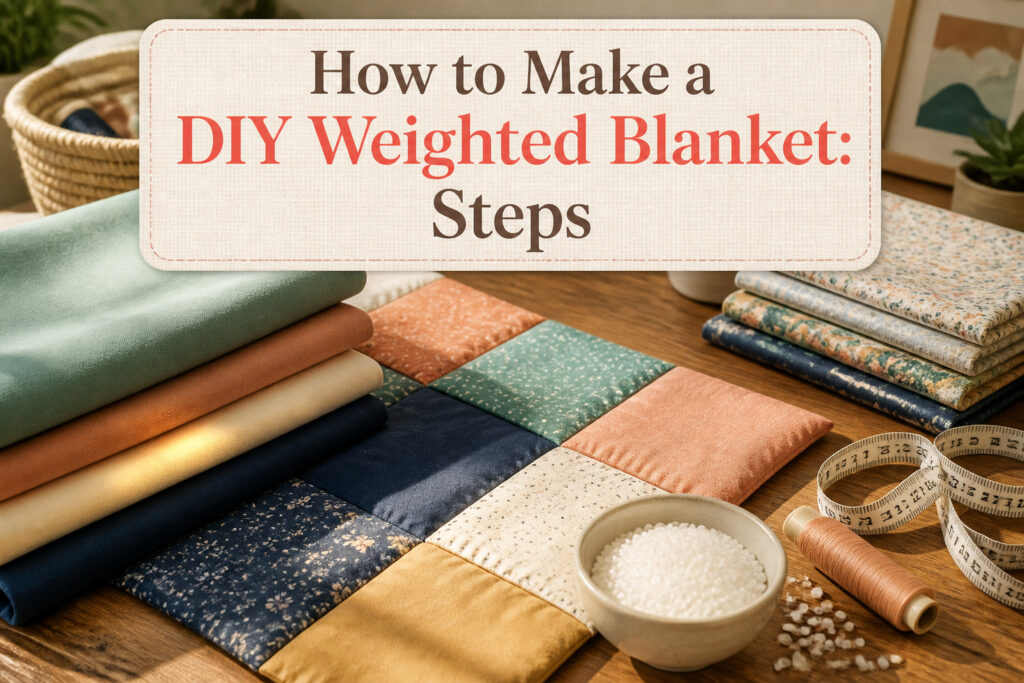
A finished weighted blanket costs roughly $40–$60 in materials and eats an evening or two at the sewing machine, but most first attempts fail at the same stage: the grid of pockets that keeps the weight from sliding to your feet. The catch is that smaller pockets mean straighter drape and longer sewing. A 3-inch grid on a standard adult blanket gives you about 266 pockets to fill and close one row at a time; a 5-inch grid cuts that to 96, but the pellets pool and the blanket pulls off-center by morning.
1. Size and Weight
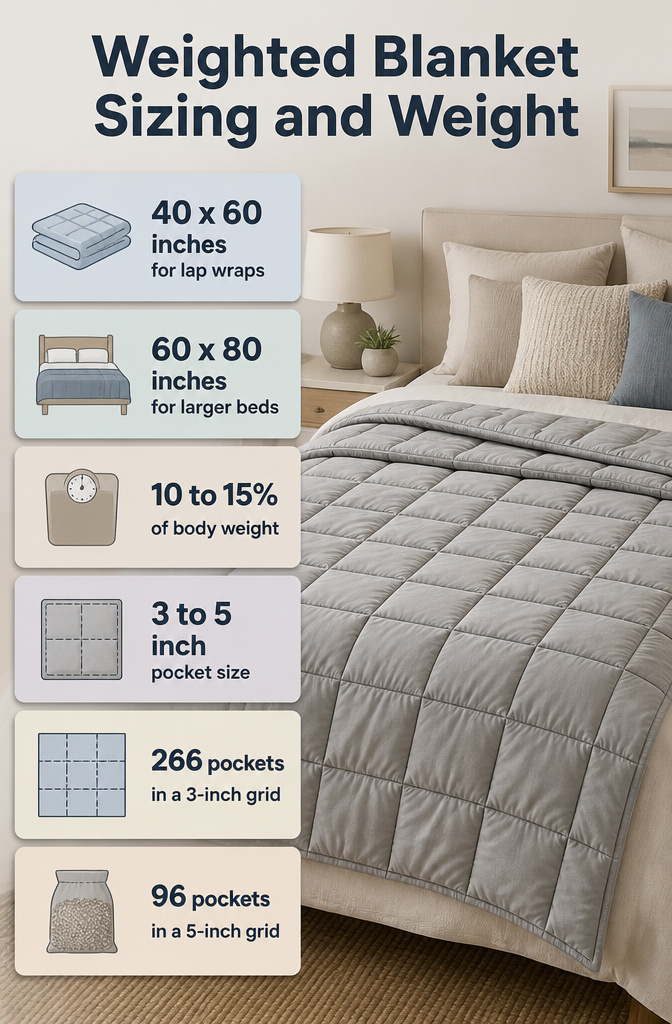
A finished weighted blanket should land a little wider and longer than the body it covers, enough to let the sleeper shift without the edge slipping off the mattress. The two useful benchmarks are 40 by 60 inches for a single user or lap wrap, and 60 by 80 inches for a larger bed or adult. Those dimensions are before sewing; the fabric will lose some size to seams and any shrinkage from pre-washing.
Weight is where the math gets fiddly. Most makers work from a 10 to 15 percent of body weight rule, though some sources suggest a wider 5 to 12 percent range for general comfort. The blanket’s own fabric counts toward that total, so a heavier cotton shell needs less fill than a thin one. I usually run the calculation in ounces, then divide by the number of pockets to know what each square holds. Pocket size matters directly here: 3 to 5 inch squares are standard, and smaller pockets mean more seams but also more even weight distribution. A 3-inch grid on a 60 by 80 inch blanket gives you roughly 266 pockets; a 5-inch grid cuts that to about 96. Fewer pockets means more fill per pocket, which can bunch or shift if the stitching loosens. My own preference leans toward the smaller end of that range, even if it means an extra hour at the machine.

【Fast Heating & Luxuriously Soft】 The WAPANEUS superior heated throw adopts a double-sided design, featuring 220GSM skin-friendly and high-quality flannel on both sides, ensuring a warm and comfortable experience. The newly added display screen allows you to set regular intervals for turning off the electric throw, and it can be set to automatically turn off after a maximum of 4 hours. With 10 heat settings ranging from 95℉ to 113℉, you can easily control the warmth to suit your preferences.

Please note, size--28" x 47" is recommended for one person. Always-Ready Pocket Blanket: Weighing just 3.1 ounces and folding down to a mere 3'' x 4''. Our blanket fits into your pocket or backpack without adding any noticeable weight or bulk, so you can always be ready for impromptu adventures.

The hooded blanket sweatshirt is a great gift for toddler 2-6YR(under 4 feet). It can be worn at home, comfortable and warm, or long car rides to sleepovers to video games to, camping, even wearing to school!
2. Materials and Tools
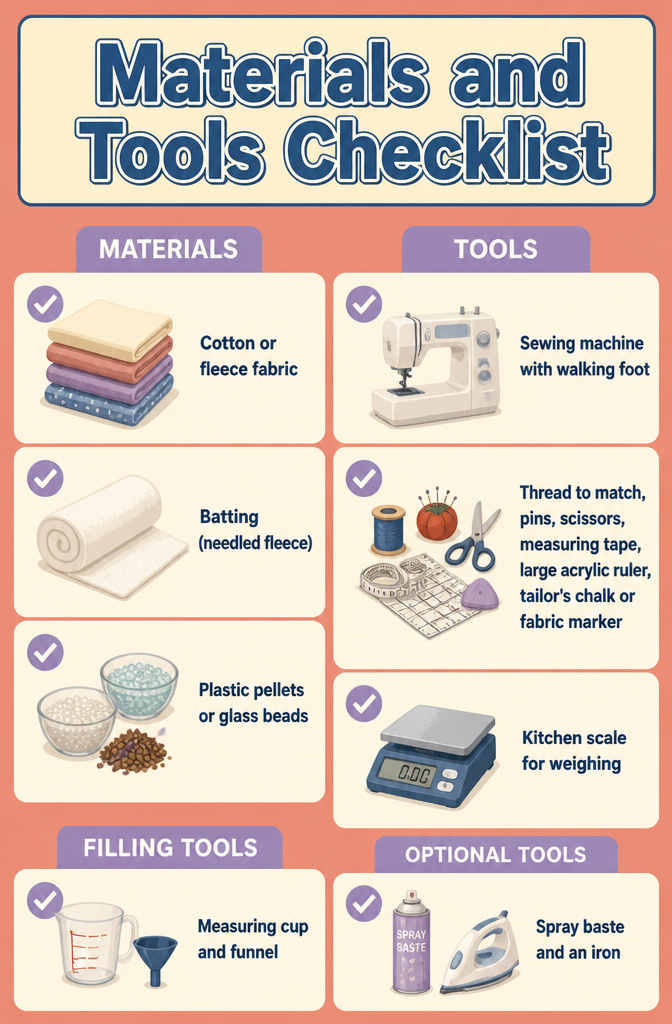
Running out of poly-fil beads halfway through a row is the kind of mistake you make once. I keep a kitchen scale on the table now and weigh every batch before I open the first channel.
Here is what to gather:
- Fabric: Cotton, fleece, flannel, microfiber, or minky. Breathable weaves work better for hot sleepers; minky holds heat if you run cold. If the blanket is for someone with sensory sensitivities, let them touch the bolt before you buy.
- Batting: Needle-felted batting or fleece, cut to the same size as your fabric layers. This buffers the fill and keeps the beads from knocking against each other.
- Weighted fill: Plastic polycarbonate beads, micro glass beads, or grains like buckwheat or lavender. The plastic beads are the cheapest and wash clean. Glass beads cost more but are heavier per cup, so you carry less bulk. Grains smell nice and cost little, though they cannot be washed and weigh less for the volume.
- Sewing machine with walking foot: The walking foot feeds bulky layers evenly. If you do not have one, set a longer stitch length and go slowly.
- Thread to match, pins, scissors, measuring tape, large acrylic ruler, tailor’s chalk or fabric marker
- Kitchen or postal scale: For weighing each pocket’s fill to keep the blanket even.
- Measuring cup and funnel: For transferring beads without spilling.
- Spray baste and an iron: Optional, but spray baste keeps layers from shifting while you sew the grid.

Premium Poly Pellets: Elevate your creative projects with Fairfield’s Poly-Fil Poly-Pellets! Made with 100% polypropylene-weighted stuffing material, the poly pellets add weight to soft crafts to help them sit properly in lifelike positions.

PREMIUM POLY PELLETS: Elevate your creative projects with Fairfield’s Poly-Fil Poly-Pellets! Made with 100% polypropylene-weighted stuffing material, the poly pellets add weight to soft crafts to help them sit properly in lifelike positions.

Polypropylene pellets: Our 10 lb weighted polypropylene pellets are made from polypropylene BPA free, ensuring longevity for all your crafting needs while providing a reliable and safe solution for weighted items.
3. Cut the Fabric
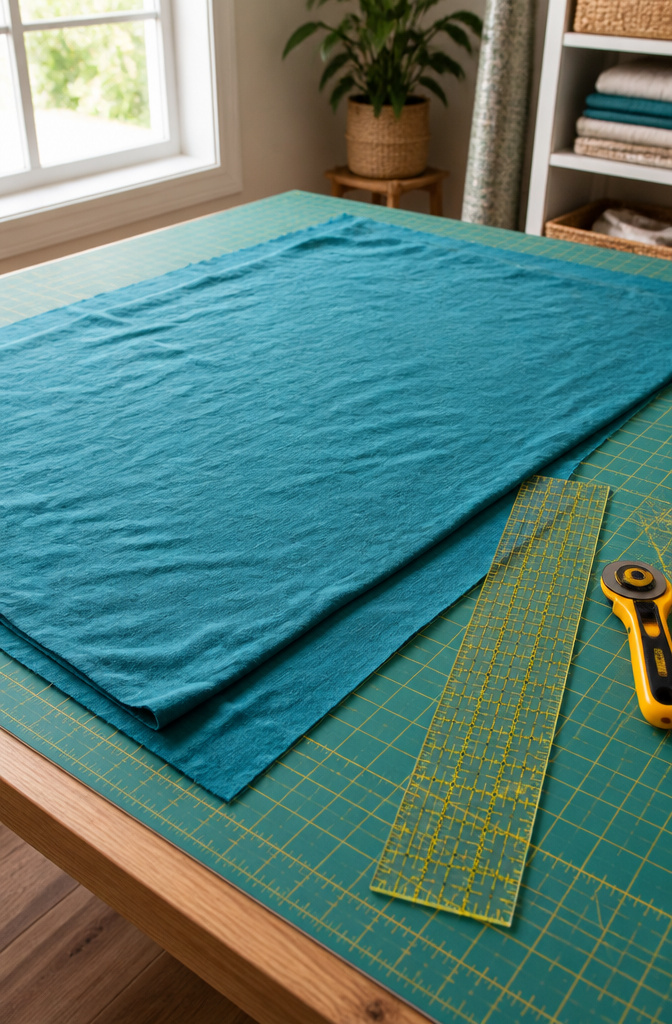
Cut size and finished size are two different numbers, and mixing them up is the fastest way to end up with a blanket that hangs off the bed wrong. The seam allowance here is 3/8 inch, which means each seam eats 3/4 inch total from your fabric. On a blanket with seams running around the edge and then columns and rows stitched through the middle, those quarters of an inch add up fast.
For a finished 42-by-31-inch blanket, the fabric actually gets cut at 44 by 33 inches. The math works out clean if you mark it before you cut: finished width plus 3/4 inch for the two long side seams, finished length plus 3/4 inch for the top and bottom. The sources I trust on this all use that same 3/8 inch figure, so it is not one of those measurements that drifts from blog to blog.
Keeping two large pieces square is the part that fights you. Fabric shifts even on a good cutting mat. What works is folding each piece in half lengthwise, then widthwise, and cutting all four layers at once so the edges stay matched. A rotary cutter and a long ruler beat scissors here; the blade does not lift the fabric the way shears do. If the cut edges bow even a little, the grid of pockets you sew later will not sit straight, and the weight ends up lumpy instead of even.

XL Value Size (59") : The batting measures 47×59 inches (Approx 1.6 Yards), making it well suited for crib quilts, throw blankets, stuffing, totes, potholders, wearable art, wall hangings and various patchwork crafts

POLYESTER QUILT BATTING: Fairfield’s Poly-Fil Extra-Loft is a premium 100% bonded polyester quilt batting that is great for small, crib-sized projects. Ideal for machine or hand quilting, Trapunto, and tied quilts, it has an even give in both directions.

Exquisite quilt cotton balls: 100% cotton batting, natural cotton is soft and warm, making your quilt more comfortable, fluffy and not easy to tear cotton balls, easy for quilting.
4. Sew the Shell
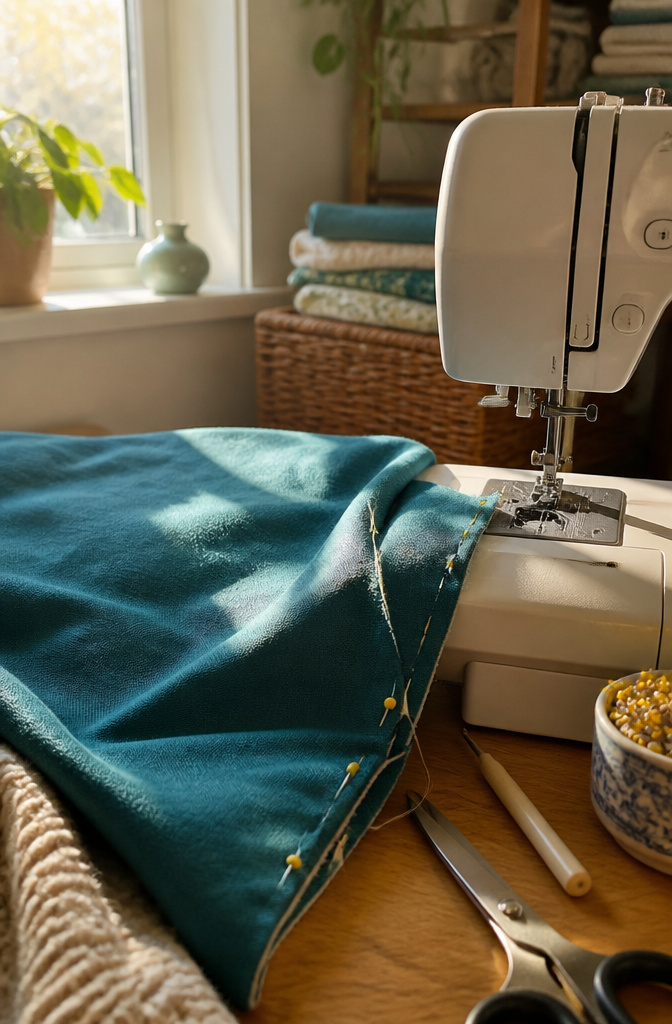
Pin the two fabric layers together with their right sides facing each other. You’ll want a 3/8 inch seam allowance on all three sides you sew now. Which edge stays open depends entirely on how you plan to fill the blanket. If you’re pouring beads into columns from the top, leave the top edge open. If you’re working in rows from one side, leave that corresponding edge free instead.
Sew the two long sides and the bottom short side, backstitching at each corner for strength. Clip the corners close to the stitching so they’ll turn neatly without bulk. Turn the shell right side out and press the edges flat, rolling the seam slightly to the inside so the stitching line sits right at the folded edge.
Some makers press under a half inch on that open edge now to prep for the final closure later. I find it worth the extra minute, since the filled blanket will be awkward to fold neatly once the pockets are loaded. Topstitch the three closed sides about a quarter inch from the edge to keep the seam lying flat and add a little durability before the real weight goes in.

SMOOTH FABRIC FEEDING: The SINGER Even Feed Walking Presser Foot ensures even fabric feeding for professional results, especially on thick or layered fabrics. Perfect for sewing challenging materials like velvet, denim, and quilts without shifting.

HANDLE THICK FABRICS EFFORTLESSLY – The Madam Sew Open Toe Walking Foot for Brother sewing machine and others allows you to stitch multiple layers of fabric smoothly. Works perfectly with tricky materials like knits, minky cloth, and plaids, making it an essential walking foot singer sewing machine accessory..

5. Create Compartments
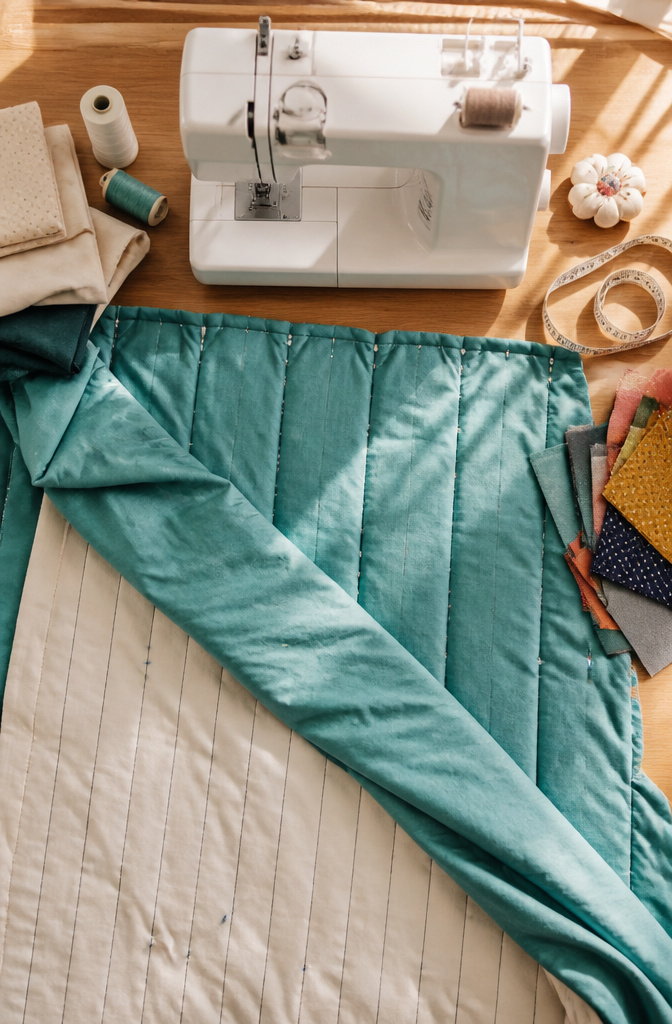
The vertical lines go in first, turning your shell into a set of columns open at the top. I sew from the closed bottom edge up to about an inch or an inch and a half below the raw top edge, backstitching at the bottom but leaving that top gap so the columns stay open for filling. Depending on your blanket size, you will end up with somewhere around 10 to 15 vertical channels.
Grid size is where you make your first real judgment call. Most guides land on 3 to 5 inches for the pocket width, and that range matters more than it sounds. Smaller squares, around 3 inches, give you finer control over how the weight sits. The pellets cannot shift far, so the blanket keeps its even drape even after months of use. Wider pockets, 5 inches or even 6 inches if you are using more than about 2 ounces of pellets per square, mean fewer lines to sew and less time at the machine. The tradeoff is real: a 4-inch grid on a 40-inch wide blanket needs ten vertical seams, while a 5-inch grid needs eight. Those two saved seams add up across the whole project, but the weight will pool slightly more in each pocket.
Horizontal lines come later, and you plan them now but do not sew them yet. The standard approach is a baffle-box grid: fill a row of pockets, sew one horizontal line to close them off, then repeat. Some people eyeball the pellet amount per pocket; others do the math. A 10-pound blanket with 20 pockets means half a pound per pocket, simple enough to keep straight even when you are tired of feeding poly pellets through a funnel.

Improved Sleep: This 3-pound weighted blanket provides gentle, even pressure, creating the sensation of being hugged. It helps calm the body and improve focus, enabling you to drift off more quickly and stay asleep longer

Material: Woogwin winter scarfs are made of Cashmere-like Acrylic and cotton. Amazing soft, cozy, breathable and warm.

Craftsmanship: This weighted blanket is made of 100% microfiber, soft and breathable; The 7-layer structure and strong stitching prevent the glass beads from missing or moving freely when the weighted blanket is used; The weighted blanket can be fixed on various quilt covers through four corners of the loops
6. Fill the Pockets
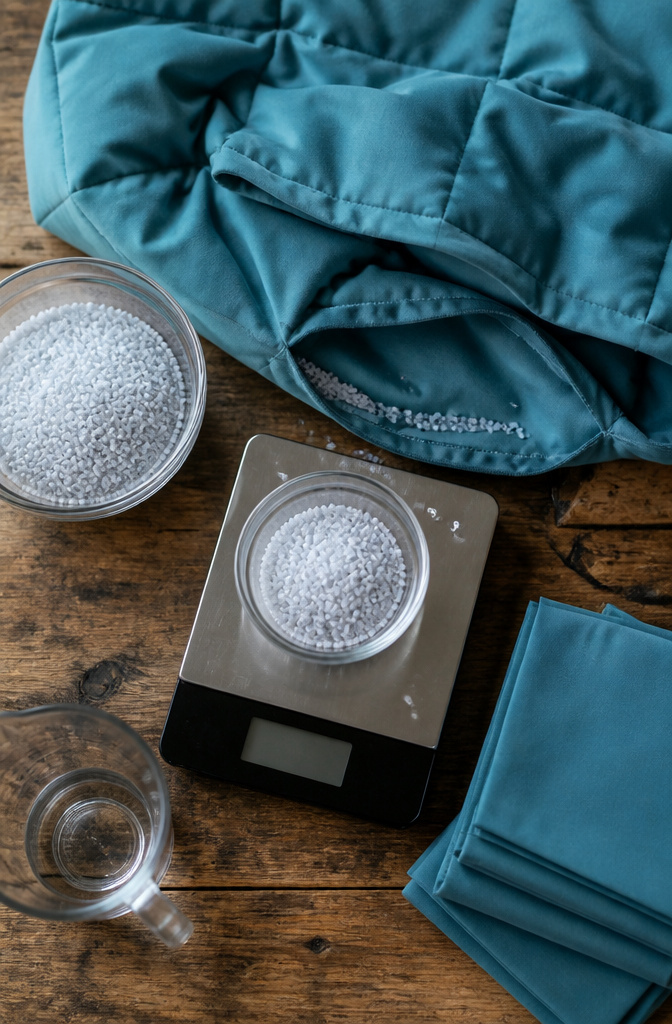
A kitchen scale makes this faster than guessing by volume, though a measuring cup works once you calibrate it. Total blanket weight divided by number of pockets gives the per-cell target, and that math is worth doing in ounces to avoid rounding errors. For a 15-pound blanket with 150 pockets, that comes to 1.6 ounces per cell.
Working in rows keeps the filling from shifting while you sew. I weigh each portion into a small bowl, zero the scale between batches, and fill one complete row before stitching it shut. The fabric and batting add their own weight, so some builders subtract that from the total first. Others skip the extra step and accept a slightly lighter finished blanket. Either way, consistency matters more than perfection: a pocket at 1.4 ounces and another at 1.8 will not ruin the blanket, but a 3-ounce clump beside a half-ounce gap will pull the whole thing off-center when you sleep under it.

【HEATED SNUGGLE BLANKET WITH SLEEVES】- Westinghouse wearable heated blanket 70" x 50" with Long Sleeves and foot pockets, can be worn backward, keeping you warm and cozy from head to toe. Sleeves cover shoulders, arms and keep hands free, opening in back

5 Colors:Black/Gray/Wine Red/Purple/Blue;Pockets Front/Hoodies Sweatshirts/Drawstring Neck /Short Front Long Back /Fishtail/Dovetail/Tunic Dress /Handkerchief /Oversized/Cloak Long Sleeve/Loose/Casual/Jacket/Outwear/Coat. Arched Bottom Drape Hemline.

Enhanced Sleep Quality: Adults weighted blanket evenly distributes weight across the body, enhancing sleep quality and reducing nighttime restlessness. It wraps you in a calming embrace, extending the duration of rest till morning light
7. Close the Pockets
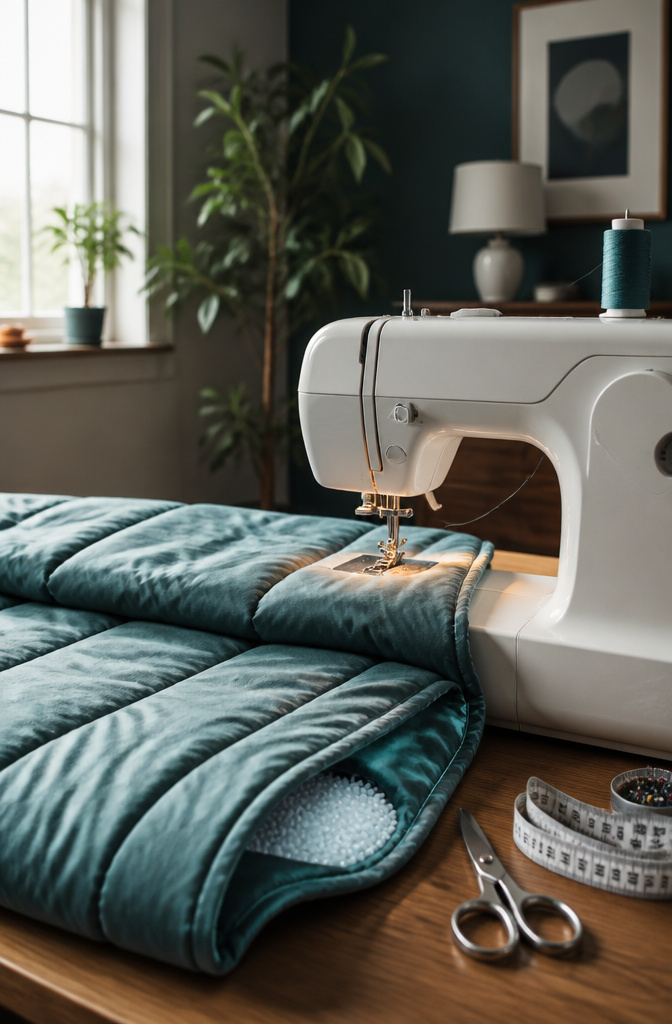
Sewing each horizontal line immediately after filling the row underneath is what keeps the beads from sliding into a pile at one end. The first time I read through the steps, the staged approach seemed slow. Then I pictured lifting a blanket with every pocket open at once and trying to keep hundreds of pellets from spilling across the living room floor while the machine waits. Filling one row, pinning the beads back from the marked line so the needle does not strike them, then stitching across before touching the next row turns the project into manageable passes. Backstitch at both ends of each seam so the weight does not stress the threads loose over time. The last row needs the raw top edge folded in half an inch and pressed before that final seam closes the blanket shut, plus a second pass across the top for security. I spread the work across a few evenings rather than one long session.

Premium Poly Pellets: Our 5 lb bag of plastic poly pellets is made from long-lasting materials, ensuring long-lasting use for all your crafting needs. These weighted stuffing beads are perfect for adding weight and stability to your projects.
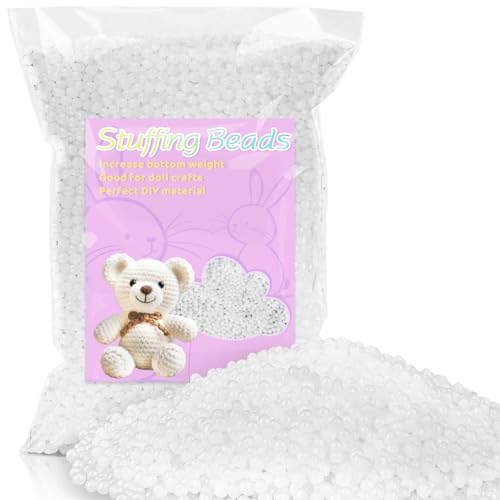
Premium Polyethylene Beads: You'll receive 420g/14.8oz of high-quality plastic stuffing beads in vacuum-sealed packaging.Perfect for handmade weighted decor, cushions, bean bags and sewing projects

【Premium 10-LB Bulk Pack for DIY Projects】Get 10 lbs (net weight 4.5 kg/9.92 lbs) of plastic pellets for bean bags and crafts in one cost-effective pack! The poly pellets weighted stuffing beads offer consistent density for superior comfort.
8. Finish the Edge
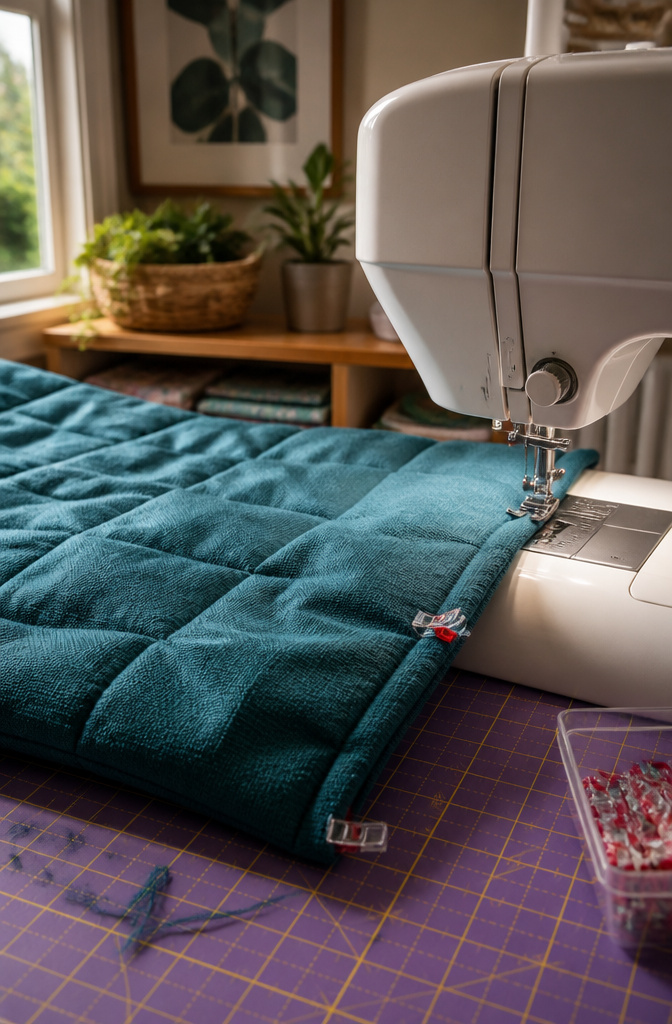
The last seam is where most weighted blankets start coming apart, so the finish matters more than the rest of the stitching combined. I press the open edge inward half an inch before I even pick up the machine; that crease becomes the guide that keeps the final line straight after the bulk of beads and fill are inside.
Two ways to close it. A simple topstitch right along the folded edge is fast and keeps the shell flexible. The triple stitch some makers use takes longer but locks the beads in place through repeated washing, which matters if you are not planning a separate cover. Either way, sew the horizontal closing seam first, then run the vertical channel lines all the way to the finished edge so the grid stays square and nothing shifts to the corner.
If you want a cover later, a basic fleece duvet shell is easier to add after the fact than built-in ties or a zipper sewn into the original seam. The blanket itself stays cleaner, and the shell is what takes the wear.

NATURAL COTTON MATERIAL: This quilting batting is made from natural cotton fibers with no additives, it is soft and warm, providing a comfortable, breathable foundation for quilts and crafts suitable for quilters and craft enthusiasts
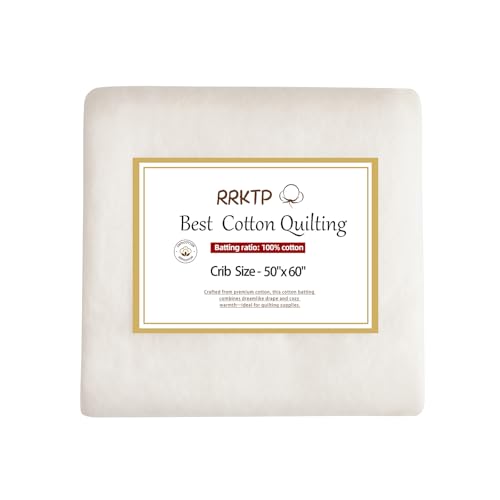
Natural Cotton Batting:This quilt batting is made from 100% pure cotton batting, soft, breathable, and warm. Ideal cotton batting for quilting projects that require lightweight comfort and a smooth finish without tearing or clumping during quilting batting use.

Premium Natural Cotton: Cotton Batting is woven from soft, fluffy, warm & breathable natural quilt batting fibers. Tear‑resistant & easy to sew, it delivers comfort and durability for quilting and all‑craft projects.
Filling Options Compared
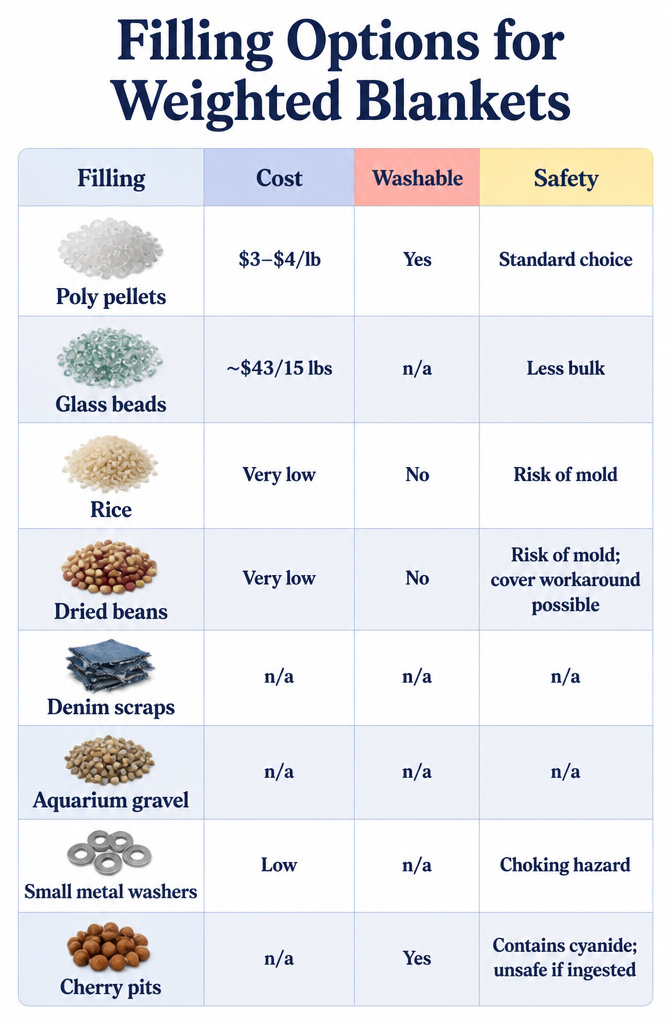
Poly pellets run about $3–$4 per pound and are the only filling you can wash right along with the blanket, which is why most makers end up here after looking at the alternatives. Glass beads cost roughly $43 for 15 pounds, so they are pricier by the bag, but they are heavier per bead and make a less bulky blanket. Rice and dried beans are cheap and easy to find, yet they are not washable; if the blanket gets wet, you are looking at mold or rot. Denim scraps, aquarium gravel, and small metal washers all add weight, though washers are rough on fabric, heat up in the dryer, and can be dangerous if a child gets hold of one. Cherry pits are heavy and wash fine, but they contain cyanide, so I would not use them in anything a child or pet might mouth.
| Filling | Cost | Washable | Safety Note |
|---|---|---|---|
| Poly pellets | $3–$4/lb | Yes | Standard choice |
| Glass beads | ~$43/15 lbs | n/a | Less bulk for the weight |
| Rice | Very low | No | Risk of mold |
| Dried beans | Very low | No | Risk of mold; cover workaround possible |
| Denim scraps | n/a | n/a | n/a |
| Aquarium gravel | n/a | n/a | n/a |
| Small metal washers | Low | n/a | Fabric wear; choking hazard; magnet-reactive |
| Cherry pits | n/a | Yes | Contains cyanide; unsafe if ingested |

Adjustable---The two upper screws on the binding allow you to adjust the fold of the fabric and set them at the same length for a straight stitch or set the bottom a bit further than the top for a blanket stitch.

Sixty Two Feet One Box: Instead of for a single specialty foot each project, this assorted set covers quilting zipper cording and gathering so one purchase handles all your home machine needs.
Benefits of Weighted Blankets
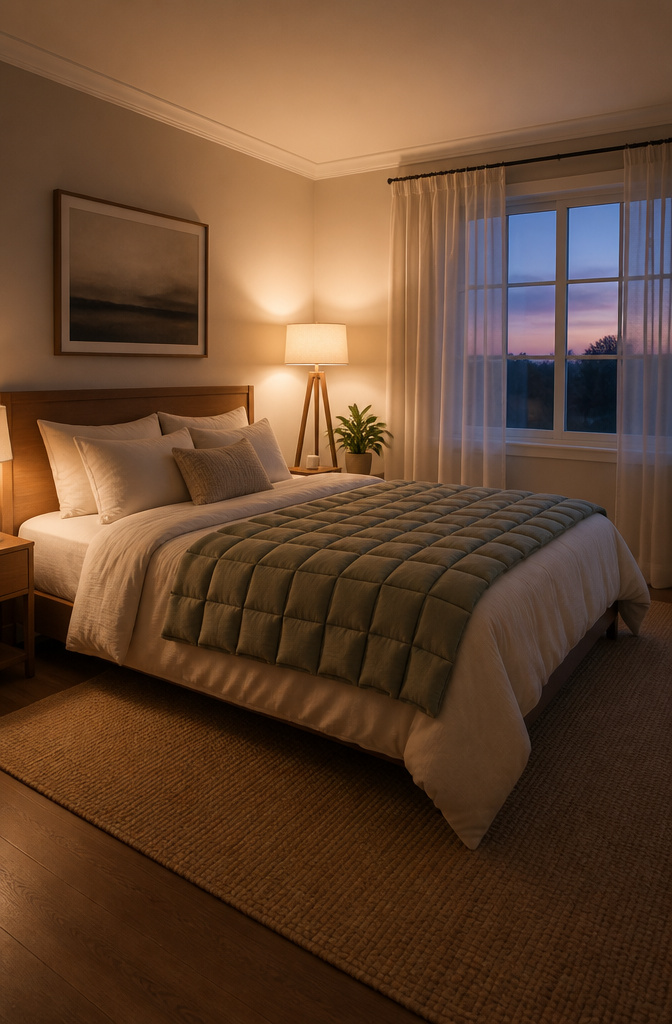
A weighted blanket is essentially a quilted shell filled with something heavy, usually glass beads or plastic pellets, that presses down against you while you sleep. That pressure, called deep pressure stimulation, is the same reason a tight hug can calm you down. The blanket’s total weight typically falls between 5 and 30 pounds, depending on your body size, and the fill gets stitched into pockets so the heaviness stays spread out instead of pooling at your feet.
The people who notice the most difference tend to be those whose minds run fast at bedtime: anyone managing anxiety, ADHD, or autism spectrum disorders. The steady pressure appears to lower cortisol, the stress hormone that keeps your shoulders parked near your ears, while nudging up serotonin and melatonin, the pair that handles mood and sleep timing. The result is usually falling asleep faster and waking less often, though it is not a medical device and should not replace treatment.
A weighted blanket is designed to provide even, gentle compression for a therapeutic effect… Weighted blankets function via deep pressure stimulation, a therapeutic technique used to reduce anxiety and restlessness.
What this means for you: if you are already lying awake replaying conversations from 2019, the weight might help your nervous system stand down enough to let sleep happen.
A few safety limits matter. Weighted blankets are not safe for young children, who can suffocate under the weight or choke on leaked fill. Skip them too if you have sleep apnea, any respiratory illness, or circulatory problems. When in doubt, ask your doctor.

Material: Woogwin winter scarfs are made of Cashmere-like Acrylic and cotton. Amazing soft, cozy, breathable and warm.

Craftsmanship: This weighted blanket is made of 100% microfiber, soft and breathable; The 7-layer structure and strong stitching prevent the glass beads from missing or moving freely when the weighted blanket is used; The weighted blanket can be fixed on various quilt covers through four corners of the loops

All-Season Comfort: One side features warm minky dots fabric, mimicking a gentle hug and soft touch to ease restlessness. The reverse offers cool microfiber fabric for summer, ensuring year-round peaceful sleep
Fabric Choices
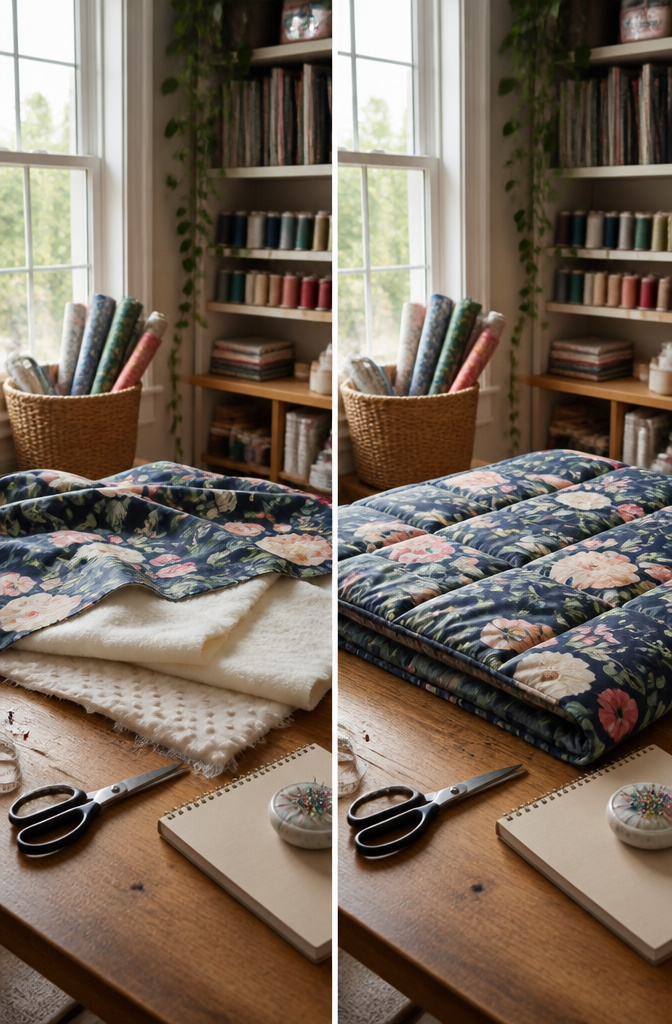
Cotton breathes better than anything else on this list, which matters when you’re pinning twenty pounds of fill against your body. A high-quality quilting cotton, not a polyester blend, holds its shape through the grid stitching and doesn’t let beads stretch the weave out of place. If you sleep hot, this is the fabric that won’t turn your project into a sauna.
Fleece feels softer against the skin but the stretch is real. The weight of polycarbonate or glass beads pulls it out of shape over time, so lining it with a woven cotton layer keeps the structure intact. Some makers use fleece as batting instead, though needle-felted batting sews cleaner.
Minky has that plush, almost velvety surface that runs warm. It is the choice for cold sleepers or winter-weight blankets, but the pile traps heat and the fabric itself is heavier before you add any fill. A removable cover in minky with a cotton shell underneath gives you season-to-season flexibility without rebuilding the whole blanket.
For sensory-sensitive users, test the fabric against your inner arm before you buy. What reads as cozy in the store can read as scratchy or clinging at 2 a.m.
Care and Maintenance
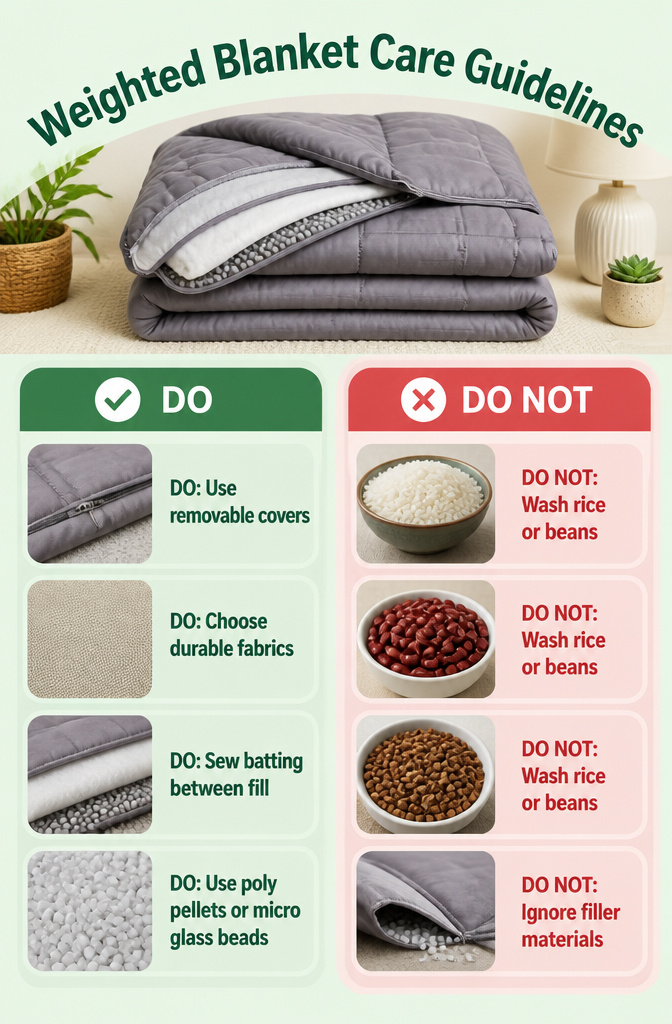
Poly pellets and micro glass beads survive machine washing; rice, dry beans, and buckwheat do not, and a removable cover becomes the only practical way to keep the blanket clean. I noticed this split early in my reading, and it changed how I would build one. Glass beads clean up well but run hotter in the dryer and wear through fabric faster than soft pellets, so the shell needs tighter construction or a heavier weave. Beans and rice sit at the cheap end of the fill options, yet even a small spill in the wash ruins the whole project, rotting and smelling, as buckwheat does when wet. The workaround sources suggest, sewing a cover with velcro or snaps, adds an evening of work but pays back in years of use. Batting between fill and shell helps buffer the weight and reduces the strain on seams, which matters more than I expected for something that gets dragged off the bed nightly. A cover also solves the fabric issue for renters who want the sensory weight without committing to a single color or texture for the whole blanket’s life.
Frequently Asked Questions
How heavy should a weighted blanket be?
A weighted blanket should weigh about 10 to 15 percent of the user’s body weight, though some makers use a broader 5 to 12 percent range. The blanket’s fabric adds its own weight to the total, so a heavier cotton shell needs less fill than a thin one. Most finished blankets fall between 5 and 30 pounds depending on body size.
What materials do I need to make a weighted blanket?
You need fabric, weighted fill, batting, and basic sewing tools. The article lists cotton, fleece, flannel, microfiber, or minky for the shell; plastic polycarbonate beads, micro glass beads, or grains for weight; plus a sewing machine with walking foot, thread, pins, scissors, measuring tape, ruler, fabric marker, kitchen scale, measuring cup, and funnel.
How do I sew a weighted blanket?
Pin two fabric layers right sides together, sew three sides with a 3/8 inch seam allowance, and turn right side out. Sew vertical channels from the bottom up to create open columns, fill each pocket with weighed beads, then sew horizontal lines row by row to close compartments. Finish with a strong topstitch or triple stitch along the open edge.
Can I use rice as a filling for a weighted blanket?
Rice is inexpensive and non-toxic, but it cannot be washed without risk of mold or rot. If you choose rice, the article suggests sewing a removable cover or using sealed pockets so the blanket itself stays dry. Poly pellets and glass beads are the washable alternatives most makers prefer.