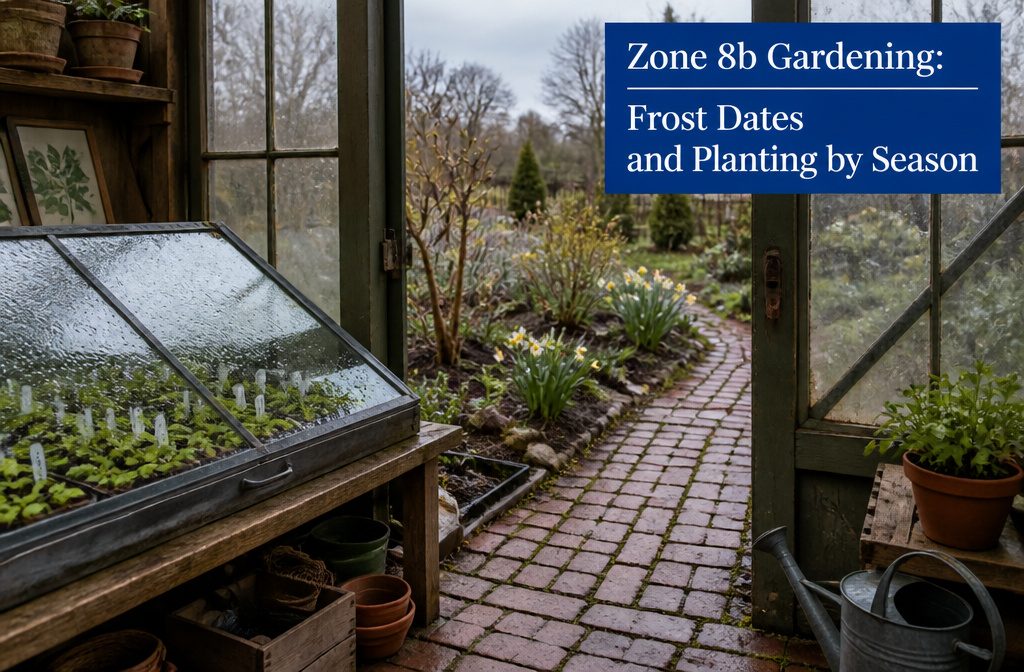
Zone 8b is the USDA band where average winter lows run 15–20°F, which tells you what perennials, shrubs and trees will survive.
It says nothing about when frost arrives, and plant tags blur the two. Last spring frost falls in mid to late March by zone average, but your county’s date can differ by two or three weeks.
Zone 8b Basics
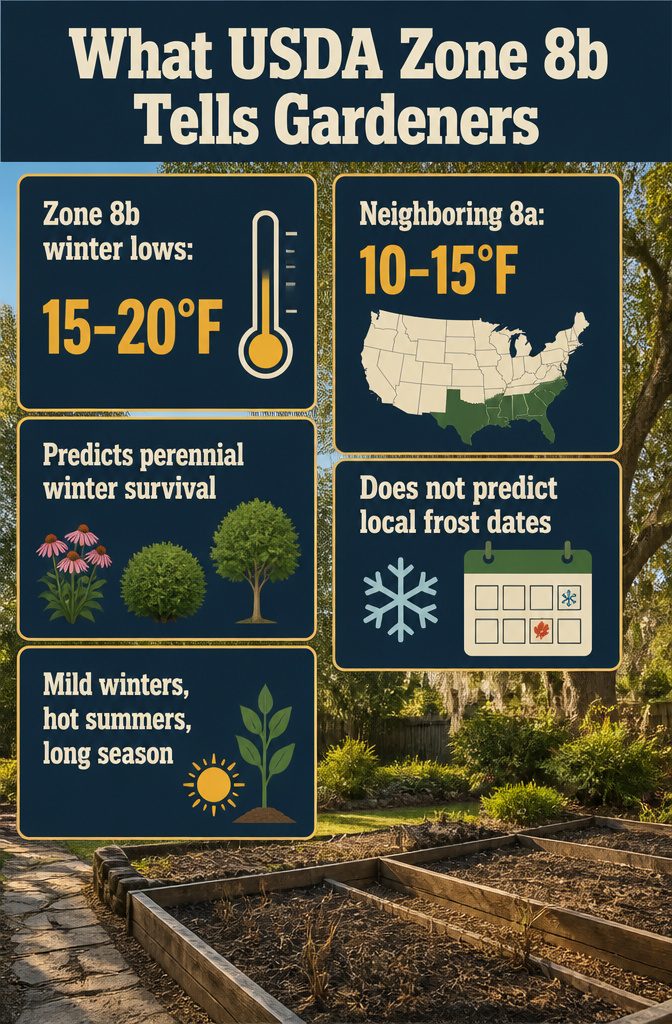
Zone 8b covers areas where the average annual minimum winter temperature falls between 15°F and 20°F. Its neighbor, 8a, runs 10–15°F, so a plant rated for 8a can be a gamble one zone warmer or colder than you think.
The number tells you what survives winter: perennials, shrubs and trees.
It does not tell you when your last spring frost or first fall frost lands, and mixing those up is the most common mistake I see in how people read a plant tag.
Check the zone before buying anything meant to live for years, then pair it with your local frost dates before you put a single seed in the ground.
Winters here are mild and summers hot, which gives a long season for both cool-season and warm-season crops.
The zone covers much of the South from Texas to North Carolina, plus western Oregon and western Washington away from the coast and higher elevations.
Frost Dates
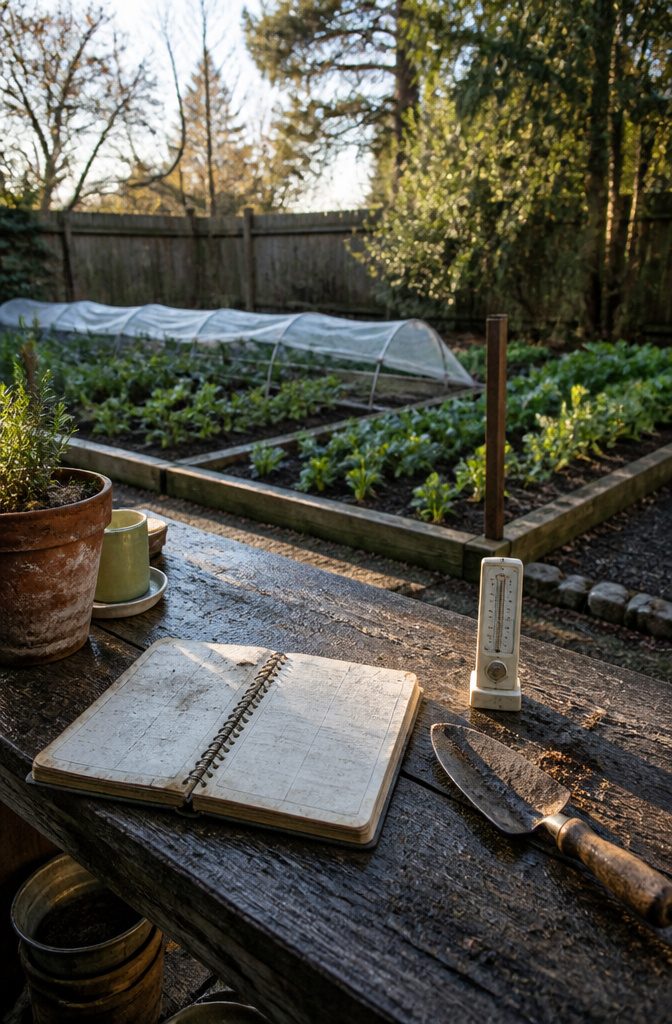
Two dates run the zone 8b calendar: the last spring frost, when warm crops can go outside, and the first fall frost, when tender crops need to be picked or covered.
Zone-wide averages put the first in mid to late March and the second around mid November.
One 8b guide lists Apr 7 and Oct 29, which is a 205-day season. Treat both as starting points, because elevation, latitude and distance from the coast can move them by two or three weeks.
Zone 8a and 8b describe winter cold, not frost timing.
Look up your own county’s average last and first frost dates by ZIP code, then watch the forecast before you plant. I’d trust the local number over any zone-wide one.
Spring Planting
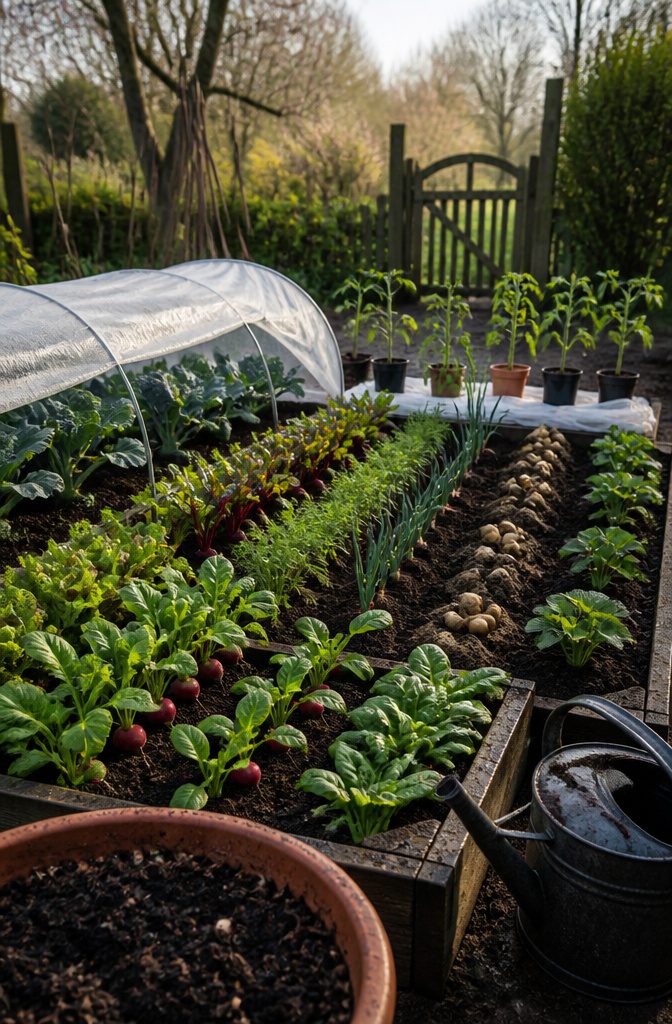
Zone 8 averages its last frost in mid to late March, though your own date can shift by two or three weeks, so check a local frost date before buying anything.
Cool-season crops go in first: direct sow peas, radishes, spinach, lettuce, carrots and beets, then plant potatoes, onion sets and strawberries. Cover broccoli and cabbage with floating row cover if cabbage moths have been a problem.
Tomatoes, peppers and eggplant should be started indoors by March 15th. Transplant them after the last frost, ideally once soil reaches 65–75°F.
Beans, squash, cucumbers and okra follow as the ground warms. Keep a frost blanket handy for a late cold snap.
Summer Care
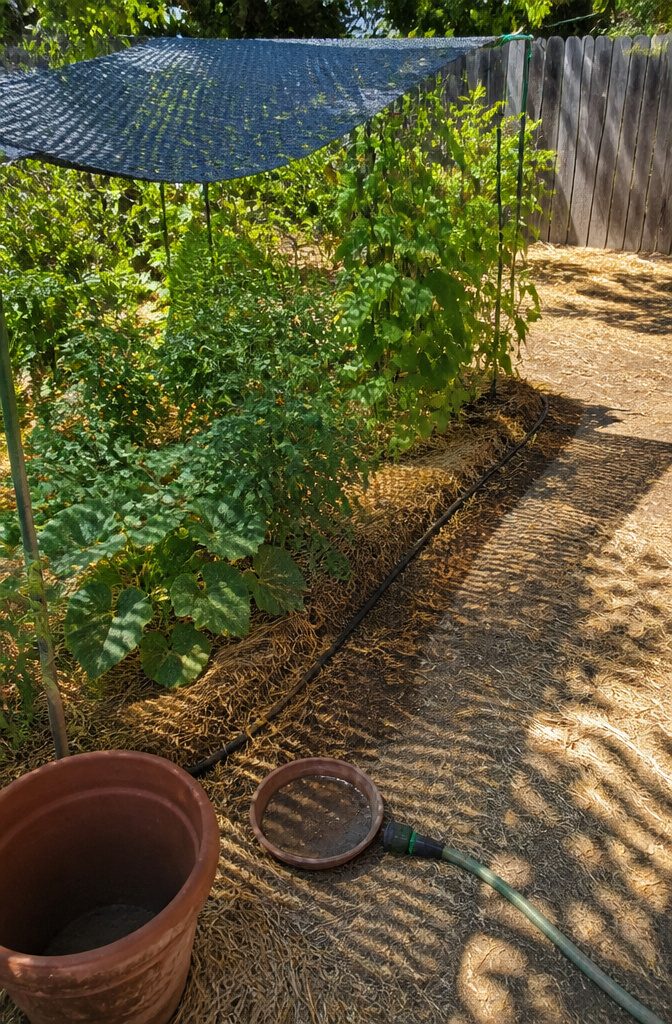
Zone 8b summer is two different climates under one label.
Seattle sits at 75–85°F with little rain after June, while Atlanta, Dallas–Fort Worth and Savannah run 90–100°F and humid, so heat tolerance in the plant tag only means so much until you know which end you garden in.
Water deeply and less often: 1–1.5 inches per week, delivered slowly at the soil level.
Daily sprinkling wets only the top inch and trains shallow roots. Drip lines or soaker hoses do this best, and they cost less water than overhead spraying.
Bare soil in a Dallas summer can lose 0.5 inch of water a day, so mulch matters. Spread 2 inches of compost, straw, leaves or pine bark over the drip line.
Above 95°F, tomatoes drop blossoms. A 30% shade cloth can cool the canopy 5–10°F.
Fall Planting
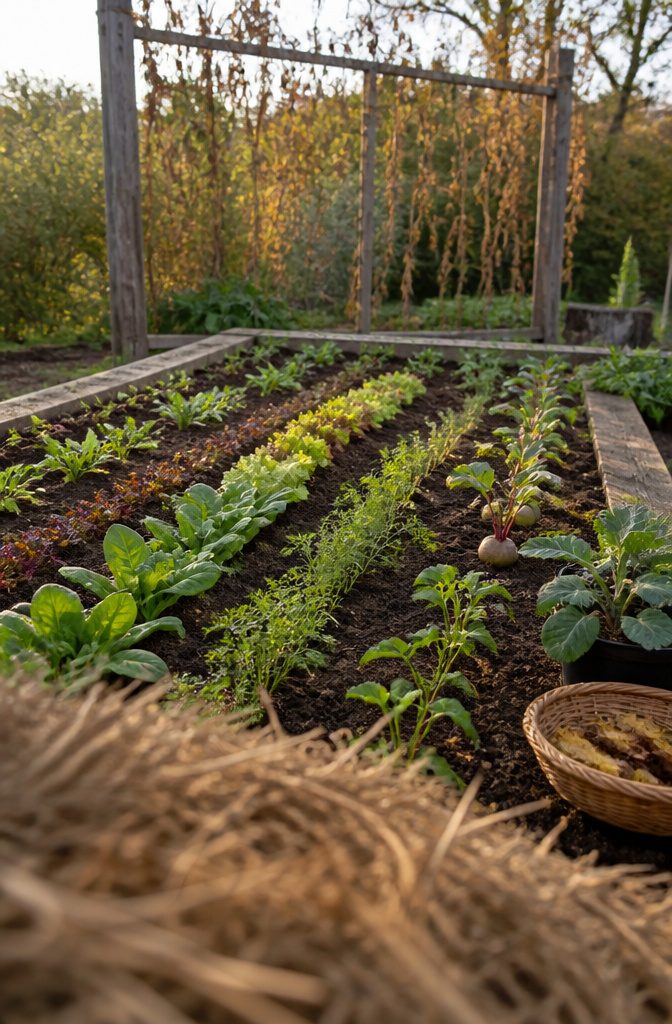
Fall is the second planting season because summer heat, not frost, is what limits zone 8b.
The first fall frost lands around Oct 29 by one count and early to mid November by another, so I count back from whichever date fits your zip code.
Cool-season crops lead the way. Start broccoli, cabbage and other heading brassicas indoors in July, then sow spinach and lettuce from Aug 20–31, once soil drops below 75°F. Radishes, carrots, beets, turnips and kale go in from late August through September.
Wait to prune trees and shrubs until early spring, since late cuts push tender growth that won’t harden off before cold arrives.
Winter Gardening
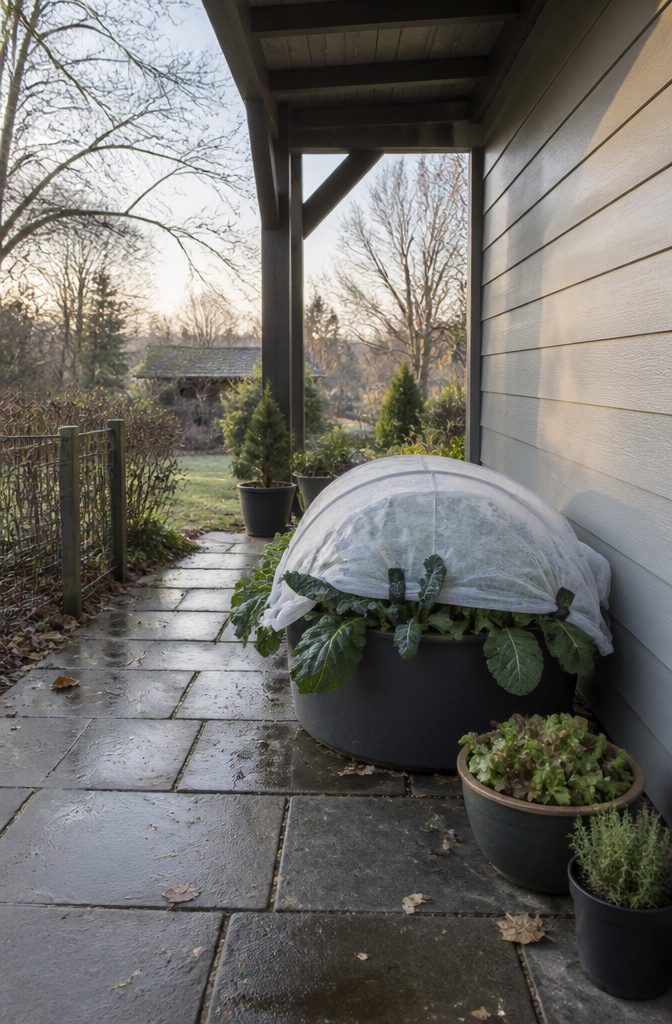
Kale, collards, spinach, and arugula keep growing through most zone 8b winters, and a 12-inch-deep pot is enough for any of them.
Growth slows in the short days, so pick leaves from the outside and leave the center to refill. Mâche and winter lettuce do well too, though lettuce is the first to sulk in a hard freeze.
Row cover is the cheapest protection a renter can buy.
Drape it over a pot or a few hoops of flexible wire and weigh the edges down. Pull it on before dark when the forecast dips to freezing, and take it off by midmorning so the plants don’t cook.
Tender plants like herbs in pots and young citrus are better moved against a south-facing wall or under the porch roof. Water them the day before a freeze; moist soil holds heat longer than dry.
Plants for Zone 8b
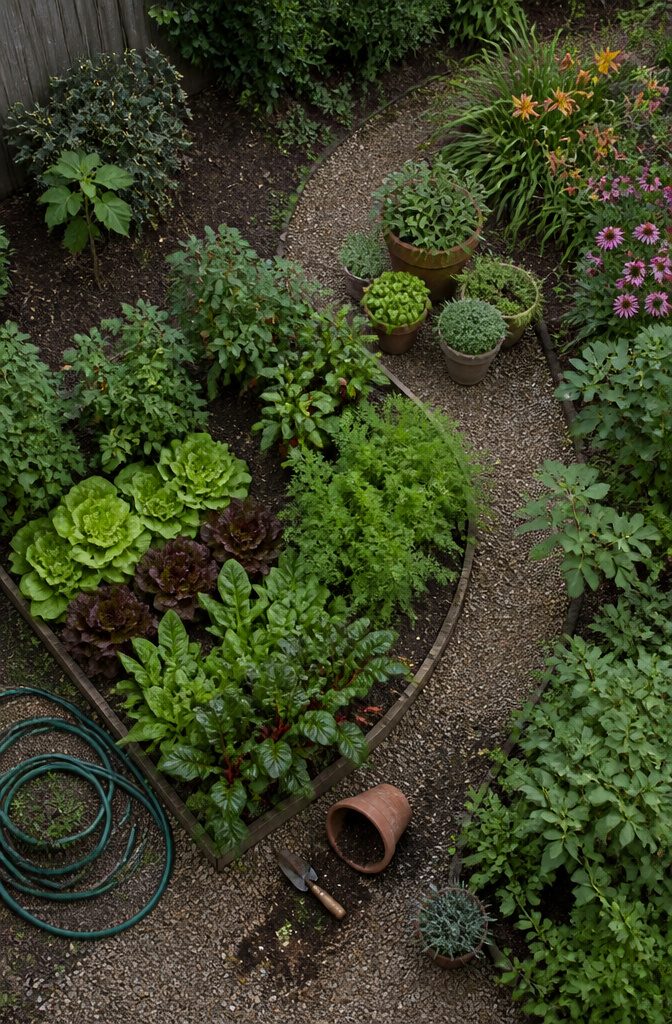
Zone 8b plants are the ones tagged for zone 8 or colder, and the tag number is a minimum:
- Vegetables: lettuce, spinach, broccoli, carrots and beets in the cooler months; tomatoes, peppers, beans, cucumbers, squash and okra in summer.
- Herbs: oregano, thyme, sage and lemongrass are perennial and happy in pots or borders. Basil wants sun and warmth, while cilantro bolts fast in heat, so give it shade.
- Perennials: daylilies, coneflowers, lavender and hostas give low-maintenance bloom.
- Shrubs and trees: holly, southern magnolia, crape myrtle and dogwood suit the zone. Figs, blueberries and blackberries fit too.
- Reading the tag: a rating of 8 means the plant survives winter lows typical of zone 8 or colder. A tag number is a minimum, not a guarantee, so a plant rated 8 in a exposed spot can still suffer. I’d choose 7 or lower for anything costly.
Frequently Asked Questions
What’s the difference between zone 8 and zone 8b?
Zone 8 is the full band with winter lows of 10–20°F, and it splits into two halves: 8a at 10–15°F and 8b at 15–20°F. So 8b is the milder half.
These numbers describe winter cold only and say nothing about when your last spring frost or first fall frost arrives.
What should I plant in zone 8b right now?
It depends on the season. In early spring, sow peas, radishes, spinach, lettuce, carrots and beets, then set out tomatoes, peppers and eggplant after the last frost.
In late summer and fall, sow spinach, lettuce, radishes, carrots, beets, turnips and kale. In winter, kale, collards, spinach and arugula keep growing, with row cover for freezes.
What are the best low-maintenance plants for zone 8b?
Daylilies, coneflowers, lavender and hostas are easy perennials that give steady bloom.
For shrubs and trees, holly, southern magnolia, crape myrtle and dogwood suit the zone. Oregano, thyme, sage and lemongrass are perennial herbs that do well in pots or borders.