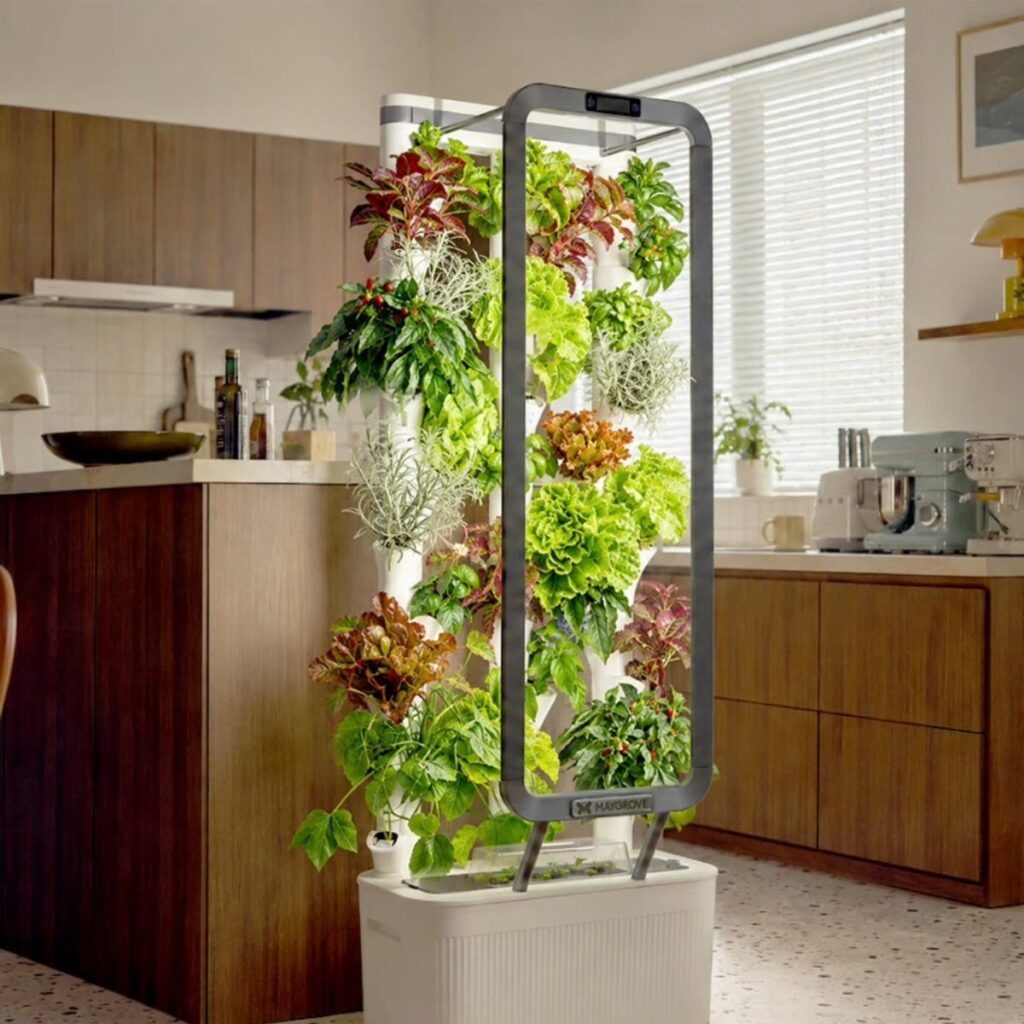
I’ve grown herbs indoors on bright windowsills, under clamp lights in dim kitchens, and on wall racks that keep pots off the counter entirely.
The setup that works depends on the light you have: basil needs strong direct sun or a grow light close overhead, while other herbs manage with less.
If your sill is full or your window doesn’t get enough light, a hydroponic kit or a tabletop setup under artificial light will grow basil faster than soil.
1. Indoor Herb Garden on a Windowsill
A south-facing windowsill will grow most cooking herbs without extra equipment.
Basil, parsley, cilantro and chives all do well in small pots or jars arranged along the sill, and you can start from nursery transplants or grocery store bunches rooted in water.
If your window gets dim light, most herbs get leggy. If your window faces east or west, stick to parsley, mint and chives, which tolerate less sun.
2. Grow Lights
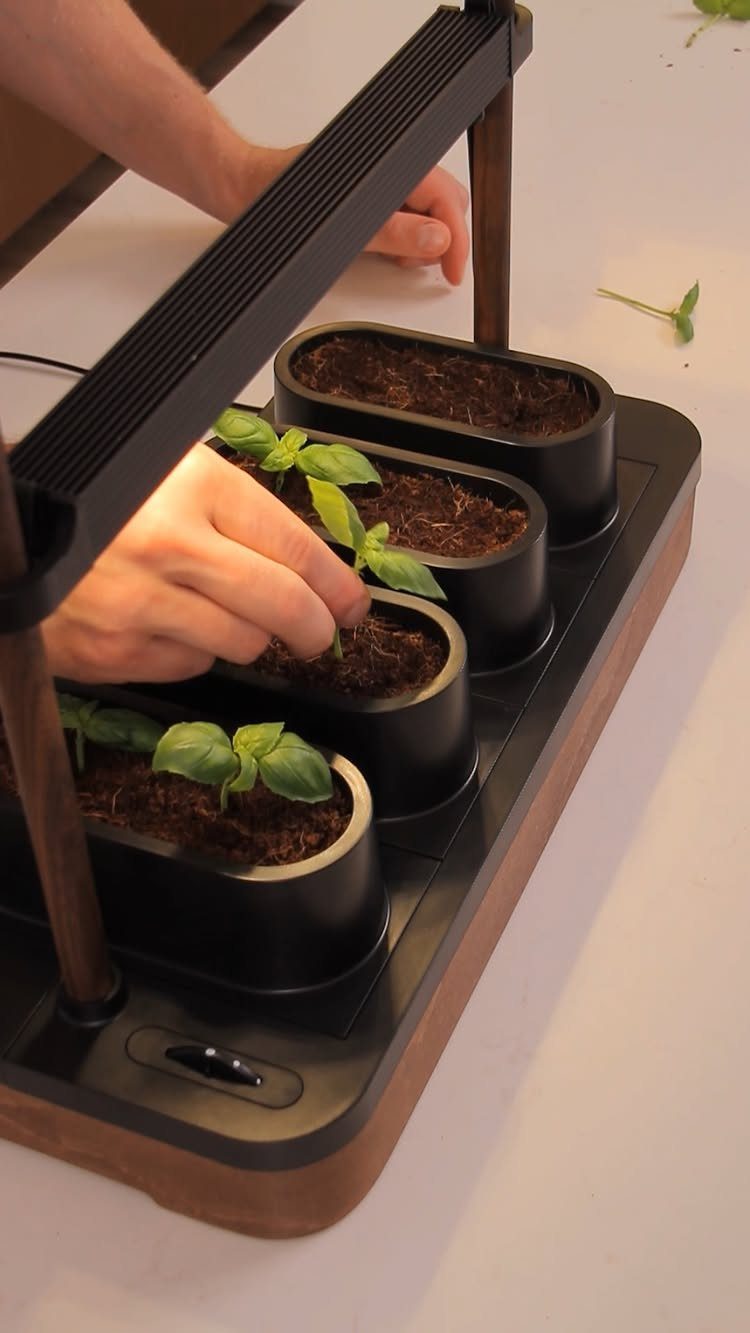
A clamp or tabletop grow light solves the problem when your kitchen gets weak natural light or none at all. Full-spectrum LED fixtures give herbs the intensity they need.
Position the light 6–12 inches above the plants and run it 12–16 hours a day. Basil, parsley and thyme all grow well under artificial light, and you can keep the setup on a counter or shelf wherever you have an outlet.
3. Bay
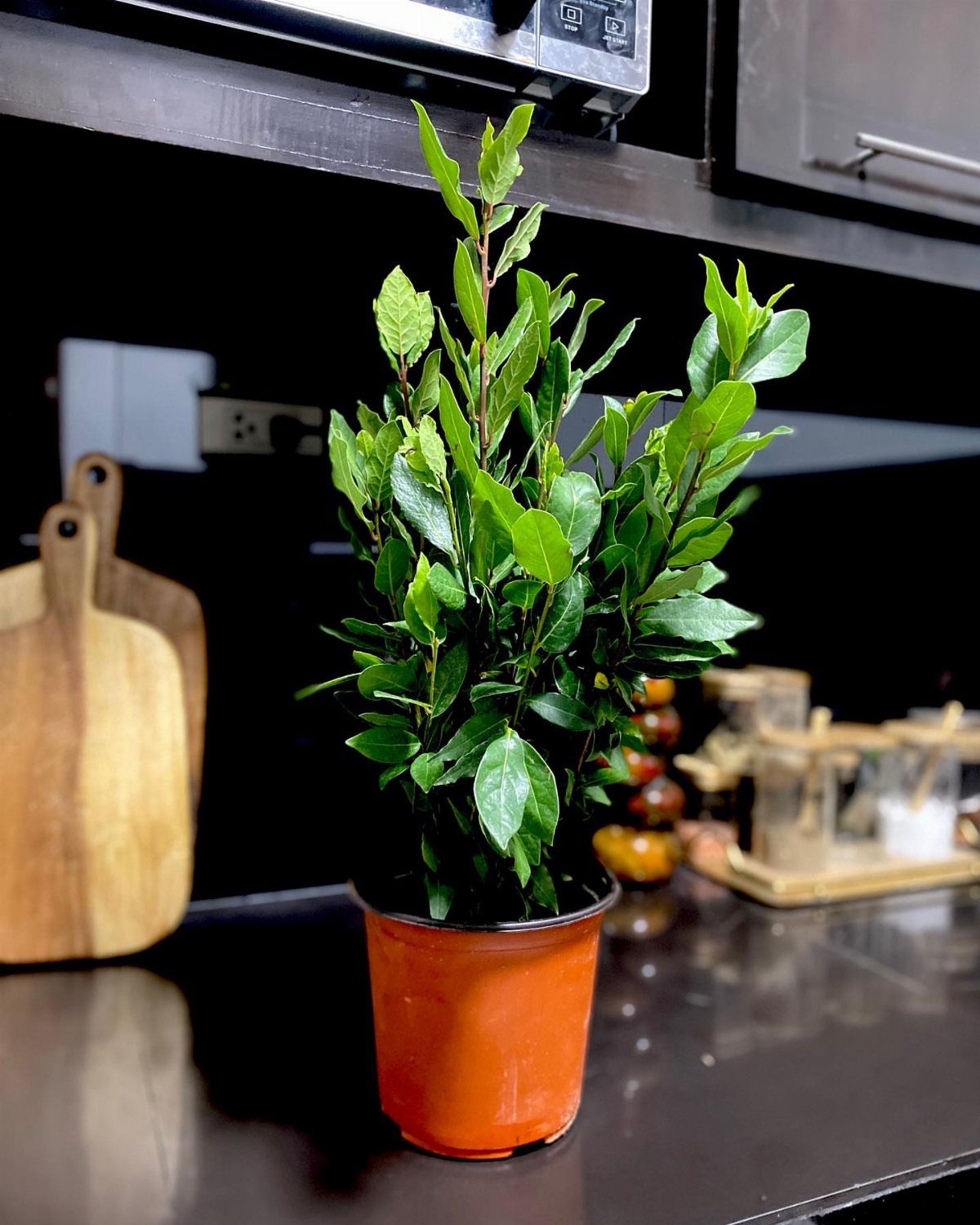
Bay grows slowly indoors and tolerates lower humidity than basil or cilantro, which makes it easier in a heated home.
The leaves are tougher and more aromatic than what you buy dried, and one plant in a pot will give you enough for soups and braises.
Place it near a bright window, letting the top inch of soil dry between waterings. Bay likes consistent light but not wet roots, and it can live in the same pot for a year before it needs repotting.
4. Hydroponic Indoor Herb Garden Kit
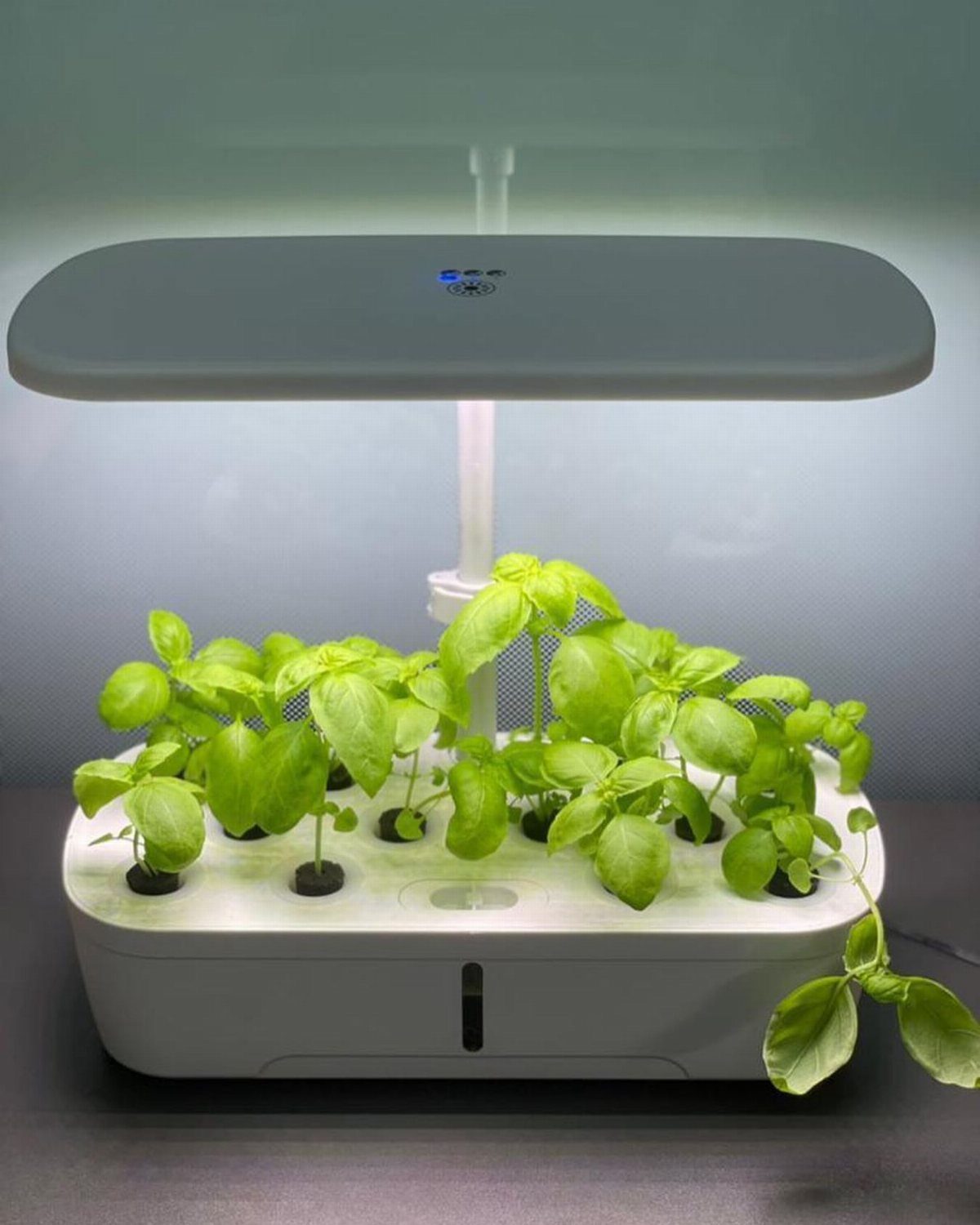
Basil, parsley and dill grow faster in hydroponic systems than in soil, and you skip the mess of potting mix and drainage trays.
Refill the water weekly and replace the nutrient solution as directed.
5. Basil
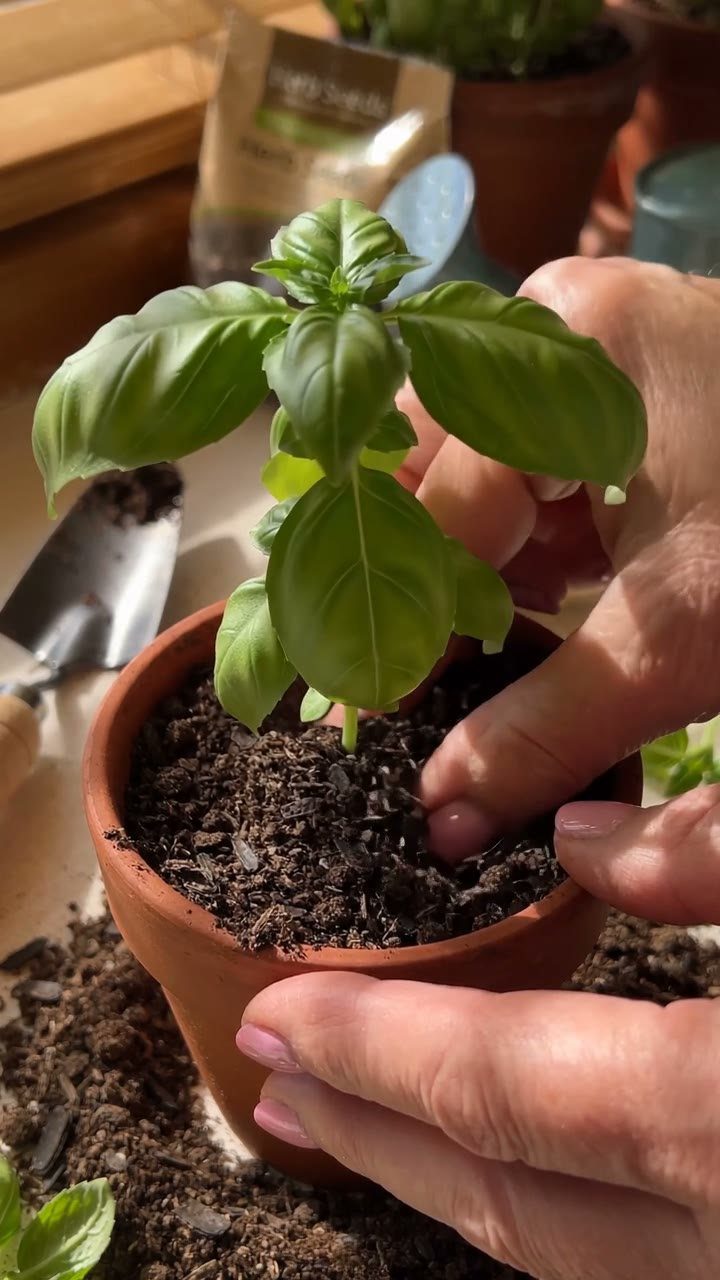
Basil needs warmth and at least 6 hours of bright light, which makes it harder than parsley or chives but worth the effort if you cook with it often.
Keep it in a 4- or 6-inch pot on a sunny windowsill or under a grow light, and pinch off flower buds as soon as they form to keep the leaves producing.
Basil wilts fast if it dries out completely, and cold drafts will damage the leaves overnight.
6. Hanging Glass Jar Herb Planters
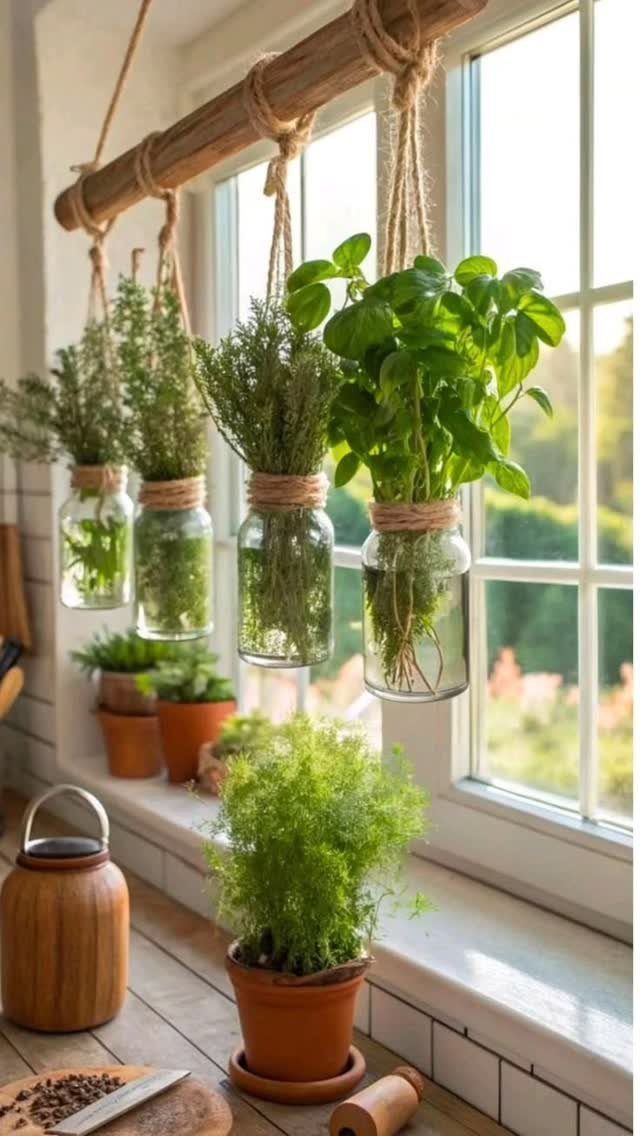
Glass jars on rope let you use vertical space near a window without taking up counter or sill room.
Drill drainage holes in the jar lids or leave the jars open and water sparingly, since glass holds moisture longer than clay or plastic.
Hang the branch from ceiling hooks or brackets, and fill the jars with small herbs like thyme, oregano or parsley.
The setup works best in a window that gets morning or midday sun, where the light reaches the jars without overheating them.
7. Wall-Mounted Herb Pot Rack
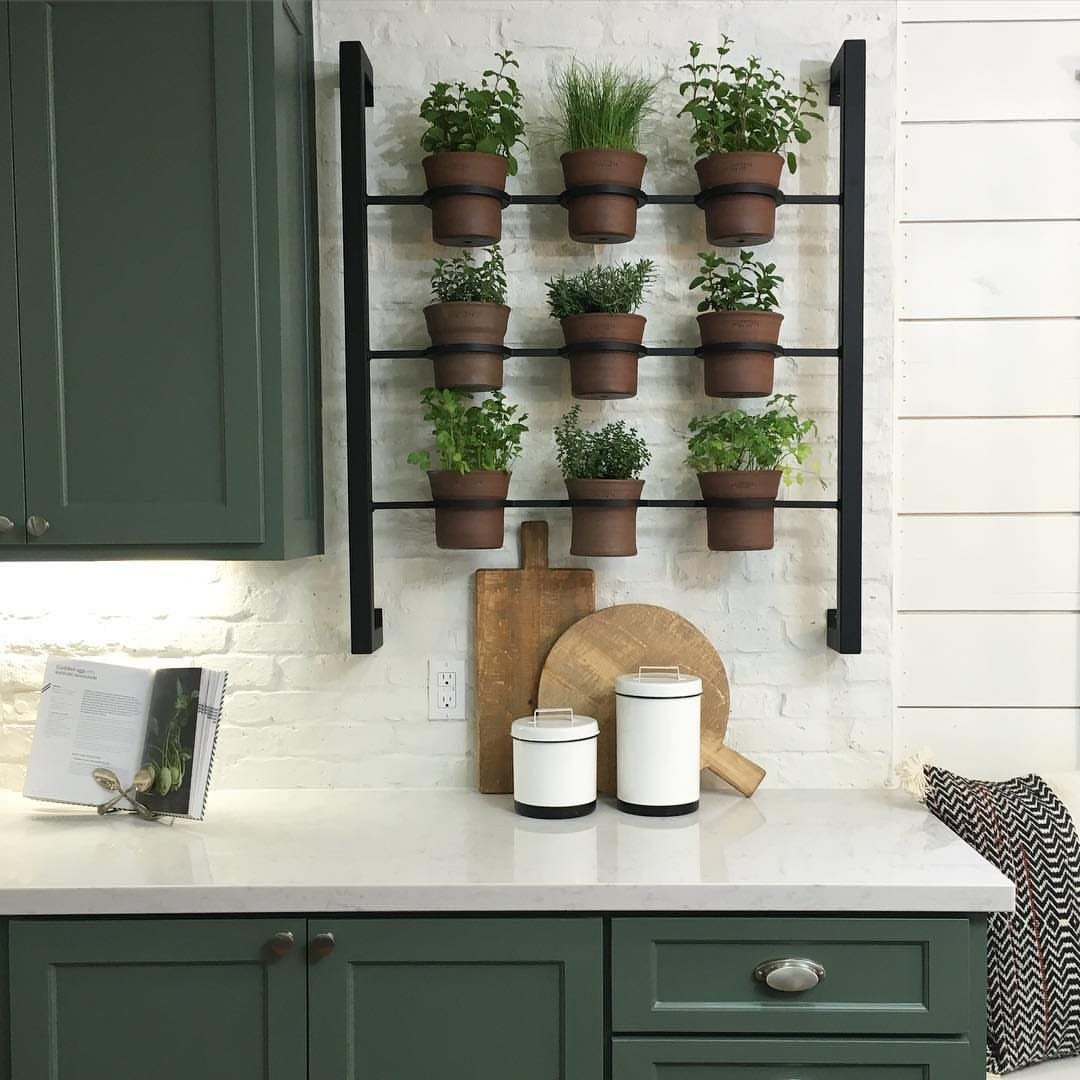
A metal rack screwed into the wall holds several pots in reach of your cutting board, and the vertical grid keeps counters clear.
Mount the rack near a window that gets morning or afternoon light, using wall anchors if you’re installing into drywall.
Small pots in the 3- to 4-inch range fit most racks without crowding. Water lightly, since wall-mounted pots often lack drainage trays, and catch drips with a towel if needed.
8. Indoor Tabletop Herb Garden
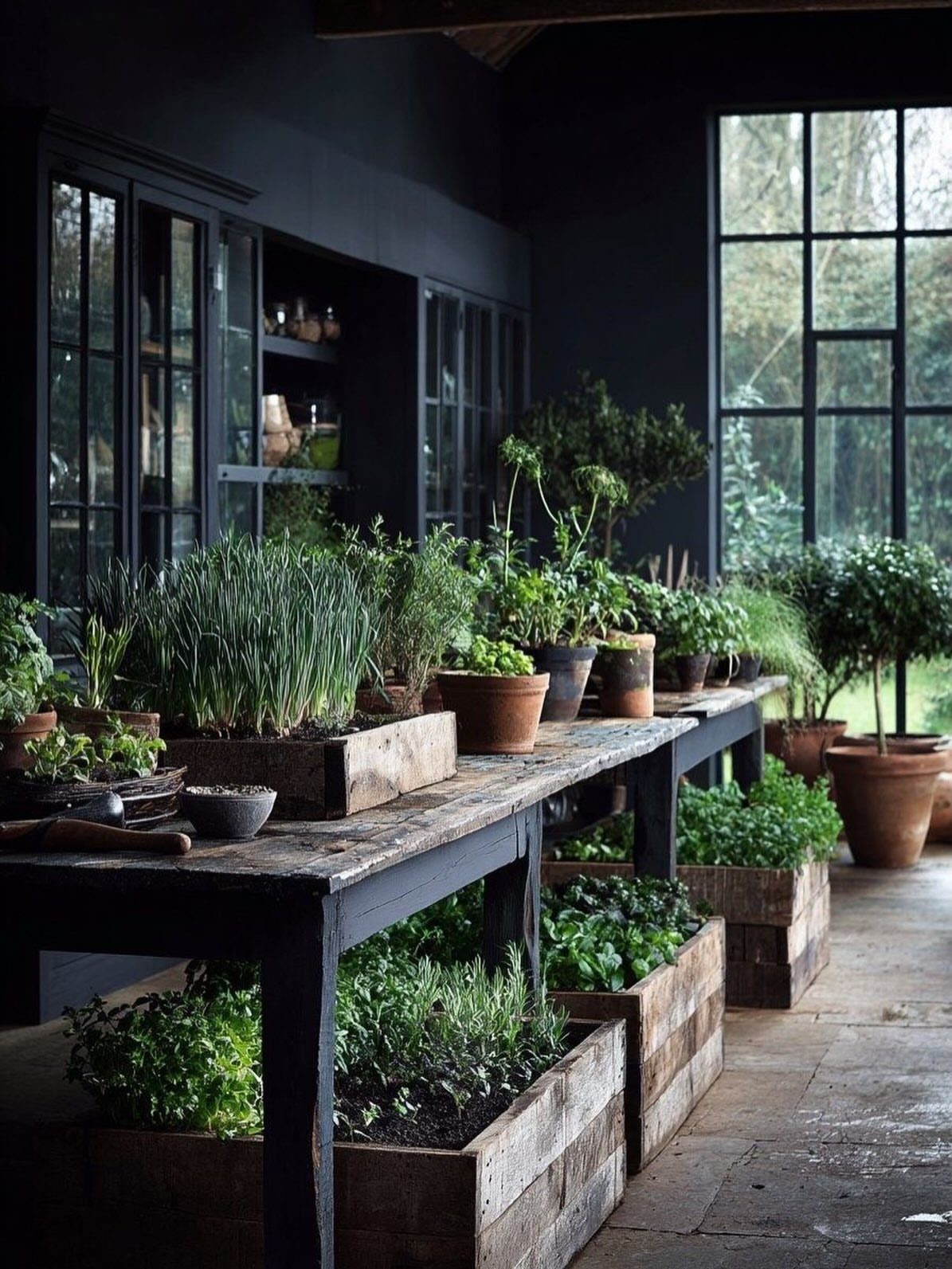
Grouping pots and wooden planters on a table or counter gives you room for larger herbs like rosemary, sage and bay that outgrow a windowsill.
Terracotta breathes and dries out faster than plastic, so it suits herbs that prefer drier roots.
Position the table near a window or under a grow light. Mixing pot sizes and materials keeps the setup from looking stiff, and you can pull individual pots forward when you need to harvest or water.
9. Growing Herbs in Water Jars
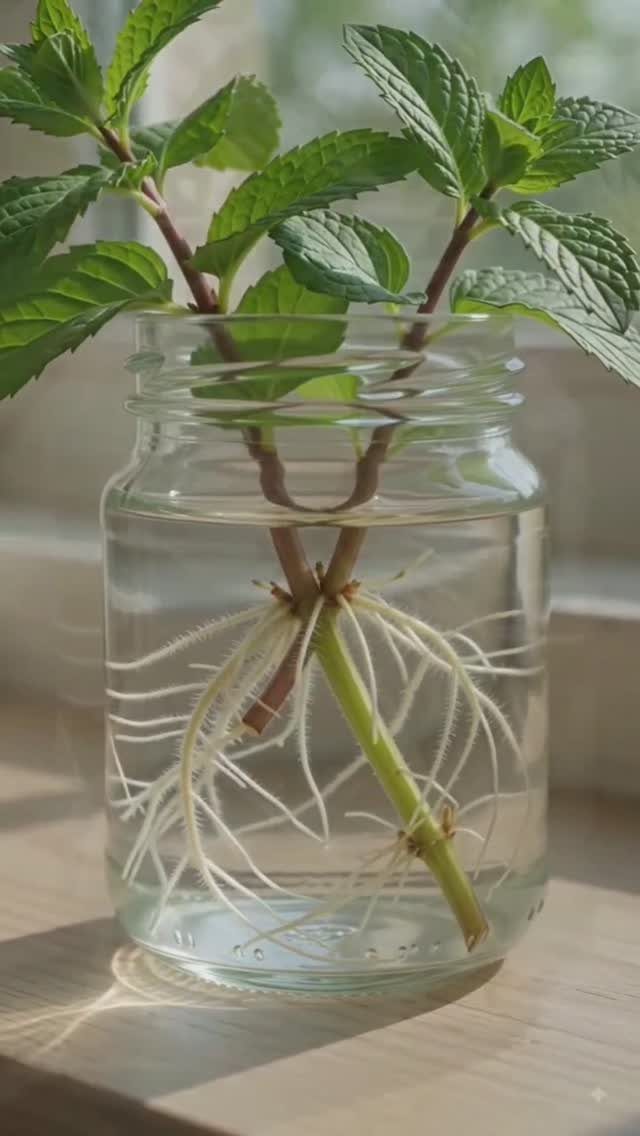
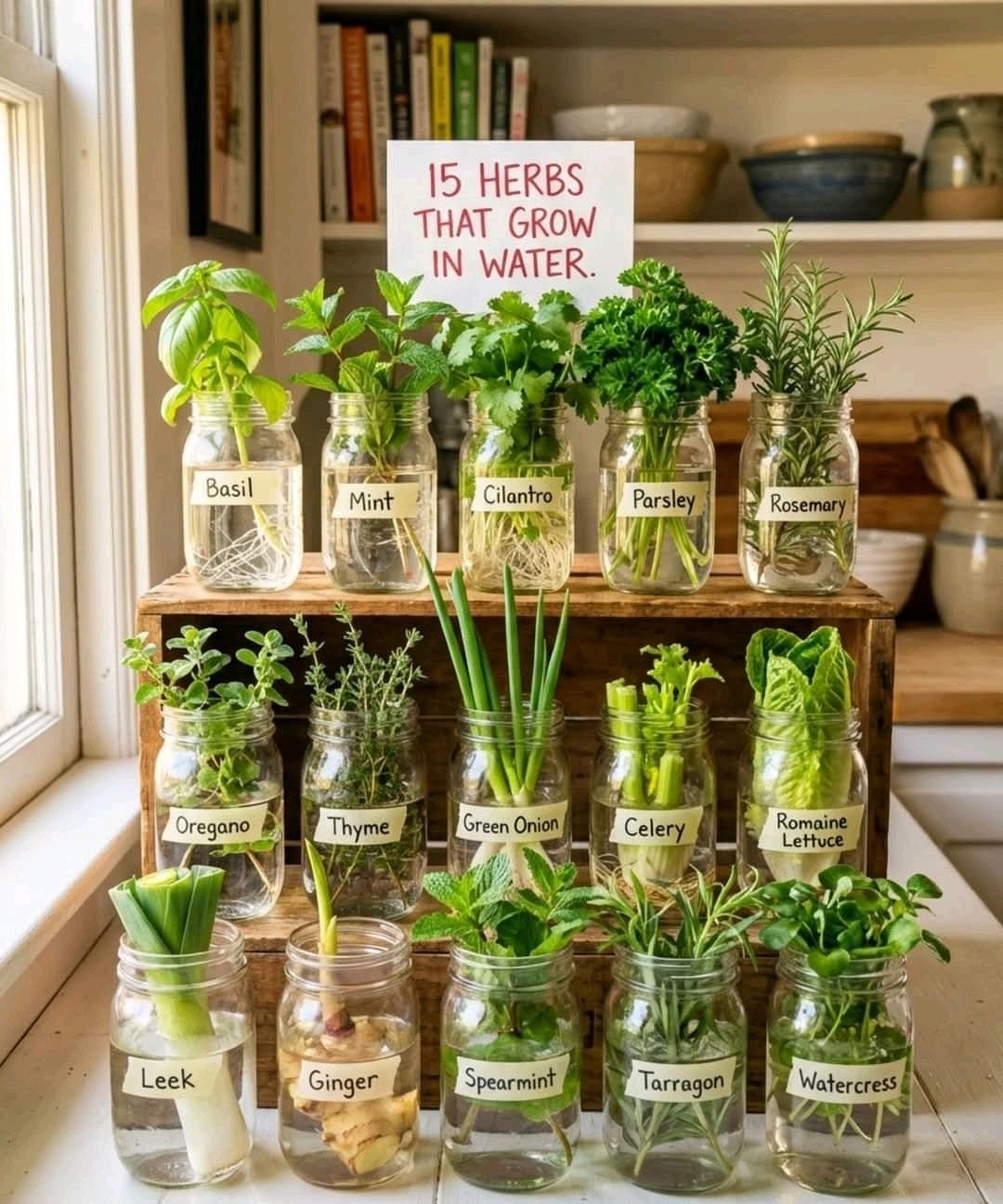
Mint, basil and cilantro will root in water if you cut a stem just below a leaf node and strip the lower leaves before placing it in a jar.
Roots appear in a week or two, and the stems keep producing leaves for a month or longer if you change the water every few days.
This works well for grocery store bunches that would otherwise wilt in the crisper. Once the roots fill the jar, you can move the cutting into soil or leave it in water and trim as you cook.
10. Hanging Fabric Pocket Herb Garden
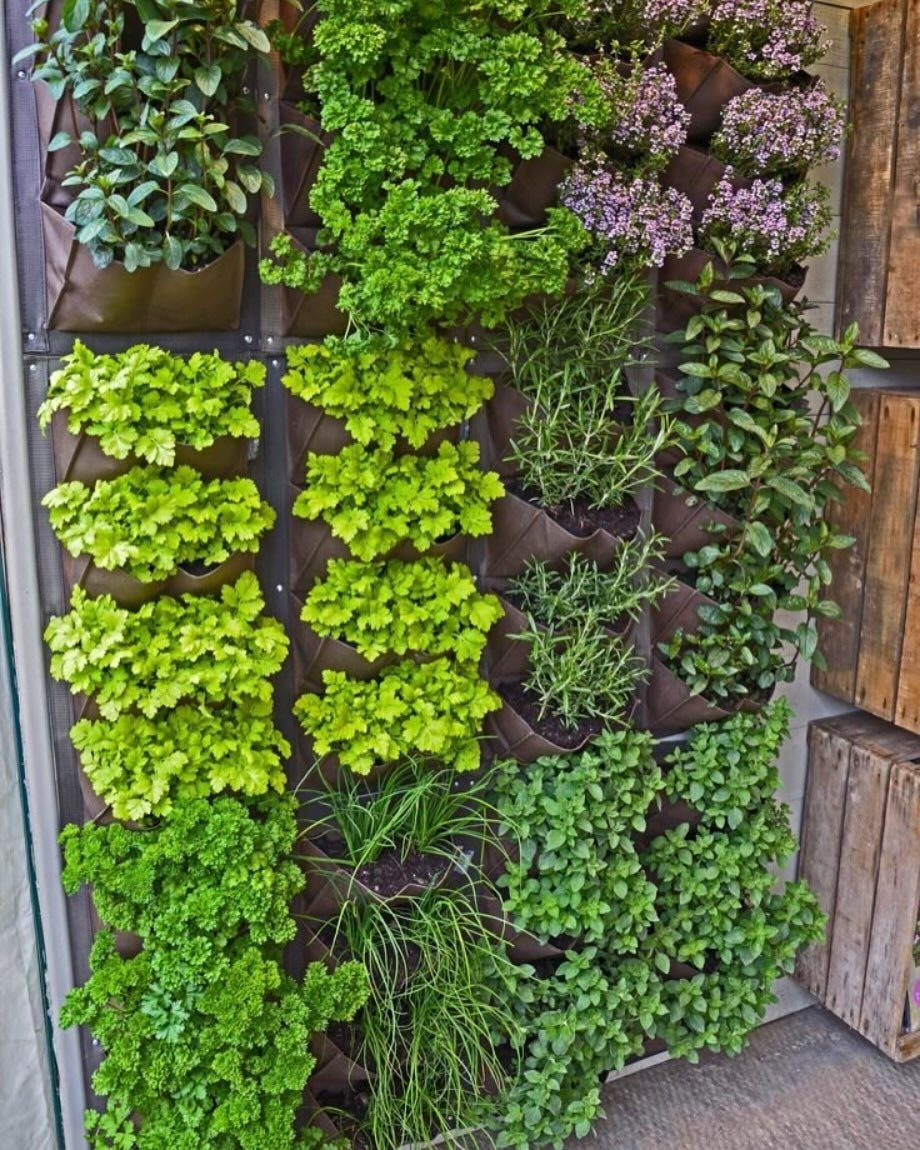
Fabric pockets on a vertical panel save floor space and let you plant several herbs in a narrow footprint. The fabric drains quickly, so you’ll water more often than you would with ceramic or plastic pots.
Hang the panel on a wall that gets good light, and fill the pockets with potting mix before planting. Smaller herbs like thyme, oregano and parsley fit the shallow pockets better than tall basil or rosemary.
11. Floating Shelves Herb Garden
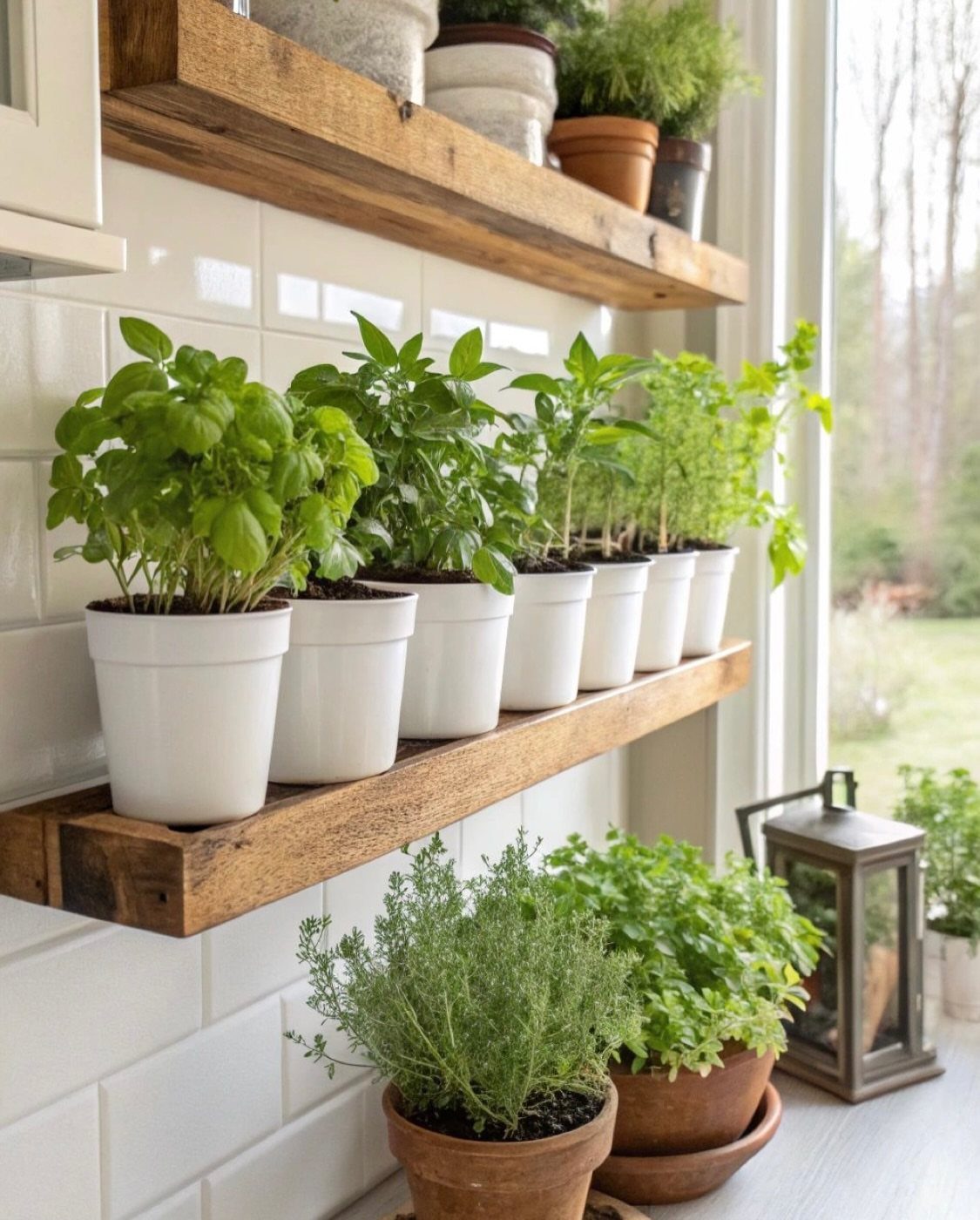
Shelves mounted above the counter or beside a window give you room for multiple pots without using the countertop itself. Space the shelves far enough apart that the lower plants on the bottom level still get light.
Choose pots with saucers or set them on small trays to catch water, since spills drip straight down. This setup works well if you’re growing several different herbs and want to keep them organized by how often they need watering.
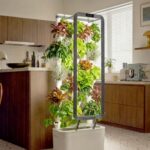
Like the Rise garden, the 12-liter water tank sits hidden inside the 19- by 8-inch-footprint cabinet, which comes in oak, walnut, gray, black, or white.
— WIRED
Light and Growing Conditions
Bay, rosemary and thyme want the brightest light you can give them. Lemon balm, chives and cilantro get by on 2–6 hours and handle dimmer spots better than basil or thyme.
Thin, stretched-out stems and small leaves mean the plant isn’t getting enough light. Rotate pots on the sill every few days so all sides get even exposure.
Keep herbs away from cold drafts near doors or windows and away from heating vents that dry the air too fast. Air circulation helps prevent mildew and pests, but a steady breeze from a vent stresses the plants.
Watering and Drainage
Check the soil before you water. Stick a finger into the top inch or two; if it feels dry, water until it drains from the bottom, then dump any water that collects in the saucer.
Bay, marjoram, oregano, sage, thyme and rosemary prefer soil that dries out slightly between waterings. Basil is the exception and should never dry out completely, but it still doesn’t want to sit in wet soil.
Pots need drainage holes at the bottom, and the mix inside should be fast-draining.
Black leaf spots or sudden collapse mean the soil stayed wet too long. Indoor herbs in stable temperatures usually need water 1–2 times a week, less often than outdoor plants in summer heat.
Harvesting and Feeding
Wait until plants reach 6–8 inches tall before you start cutting. Cut just above a node, the spot where two leaves attach, and two new stems will grow from that joint.
Keep each harvest under a third of the total growth, and cut in the morning when oil concentration peaks. Regular cutting keeps herbs bushy and productive instead of tall and sparse.
Fertilize every 2 weeks with a water-soluble formula diluted to half or quarter strength.
Too much fertilizer pushes leafy growth but weakens the flavor and scent of the leaves. If you use an organic fertilizer indoors, read the label; some have a strong fish or manure smell that lingers in the kitchen.
Frequently Asked Questions
What is the best indoor herb garden for home grown herbs?
A south-facing windowsill works for basil, parsley, cilantro and chives if you have bright natural light, and it costs nothing beyond pots and soil.
If your kitchen lacks strong sun, a tabletop grow light with small pots gives you the same results on any counter or shelf. Hydroponic kits grow faster but need regular refills and nutrient solution changes.
Do indoor herb gardens use a lot of electricity?
Most compact LED grow lights pull between 10 and 25 watts, which is less than a typical household bulb, and if you leave one on for 16 hours daily you’re looking at an extra $2 to $4 on your power bill each month.
Windowsill setups use no electricity at all.