Which plan fits depends mostly on what you’re building against: a house wall for the lean-to, a flat backyard for the gable, A-frame or dome, or a slope for the earth-sheltered build.
A lean-to frames only 3 sides, while an earth-sheltered build means digging into a hillside with hand tools or a rented machine.
The list also runs from kit-built polycarbonate and gothic arch frames that a beginner can finish in a weekend to a 10×12 wooden plan with 120 square feet of floor and a stone plinth foundation that takes real effort.
1. Polycarbonate Greenhouse
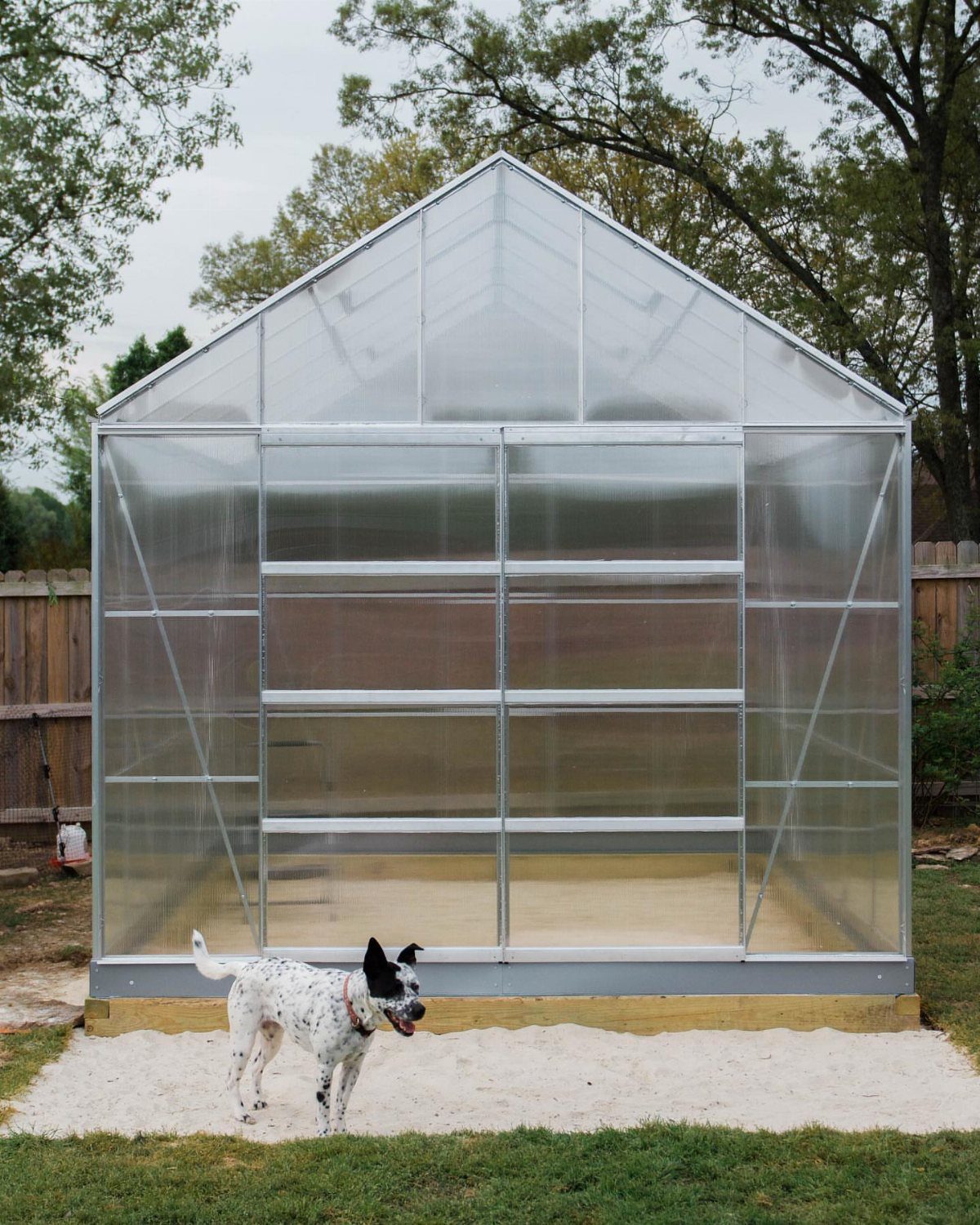
Clear polycarbonate panels over a metal frame make one of the simpler covers to work with. The panels let light through, and a peaked roof sheds rain and snow instead of holding it.
A small footprint like this suits a backyard with a fence line to tuck against. I like the sandy base: it drains well and keeps mud off the floor.
Metal frames usually come as kits, so a beginner can finish one in a weekend.
2. A-Frame Greenhouse
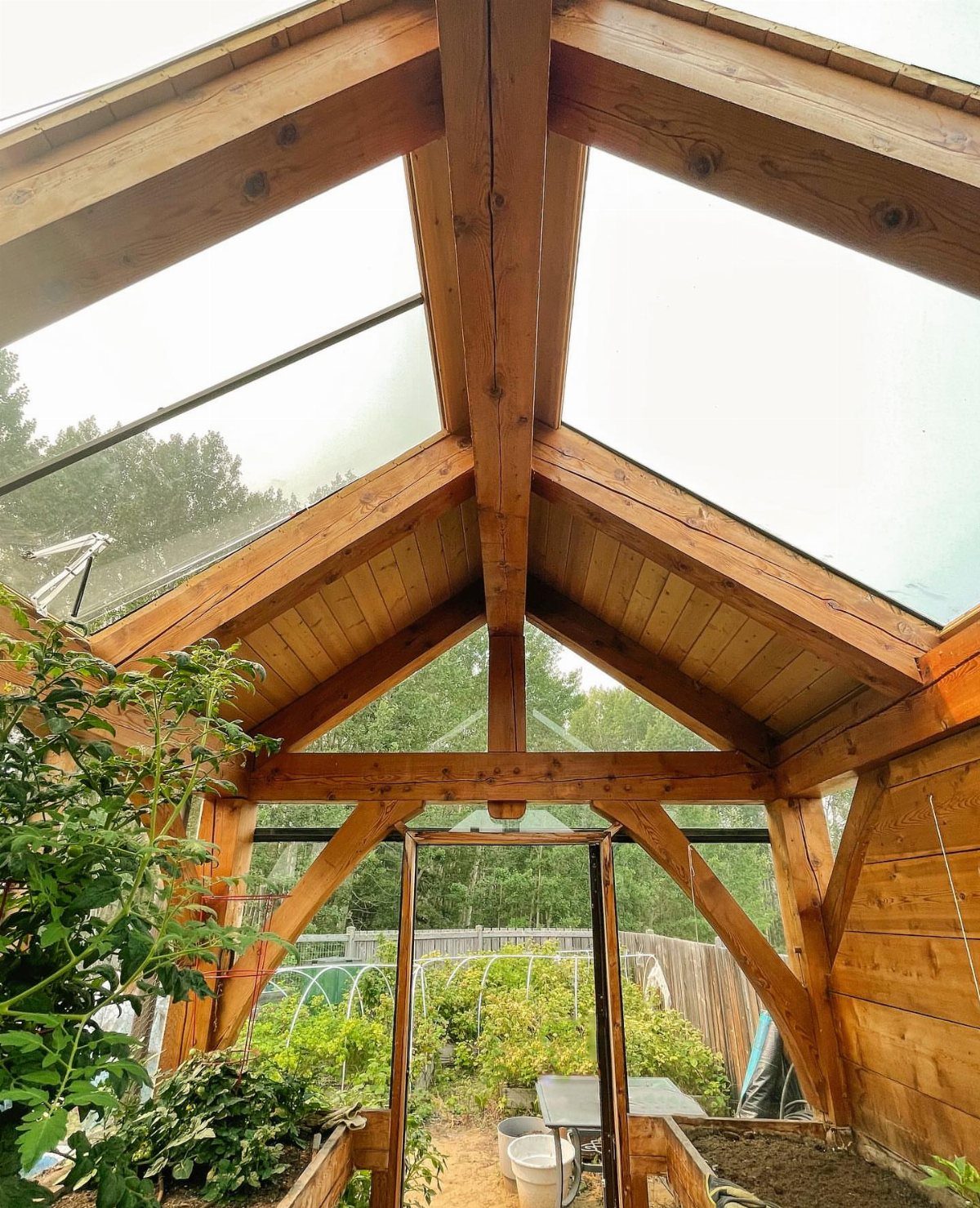
Two sloping roof planes meeting at a ridge give an A-frame its whole identity, and a wooden one with glass panels feels more like a small garden room than a utility shed.
The slanted sides cut into usable floor space near the edges, so I keep benches down the center and put low pots along the walls. Tall tomatoes belong under the peak.
Wood framing is friendly to a beginner with a saw and a square.
3. Lean-To Greenhouse
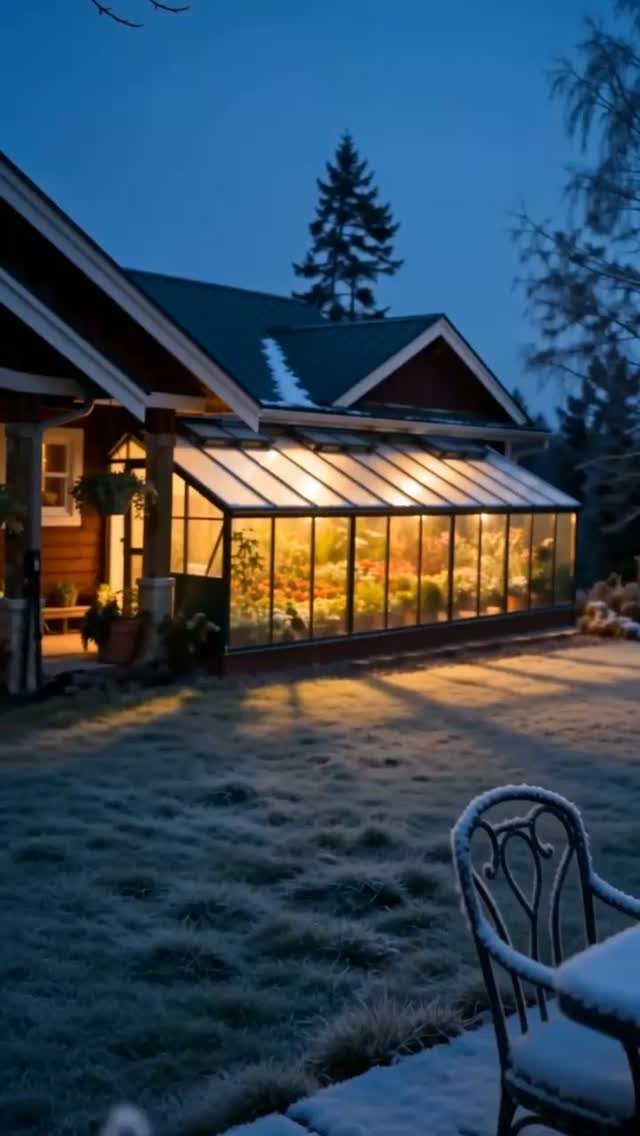
Building against a house wall means you frame only 3 sides, which saves lumber and glazing. That is the main reason I favor a lean-to for a tight budget.
Pick a wall that gets the most sun, and plan the door so you can step in from the house in bad weather. Seal where the roof meets the wall, because that joint is where leaks start.
Heat escaping from the house can also take a little of the chill off on frosty nights.
4. Stone Plinth Foundation
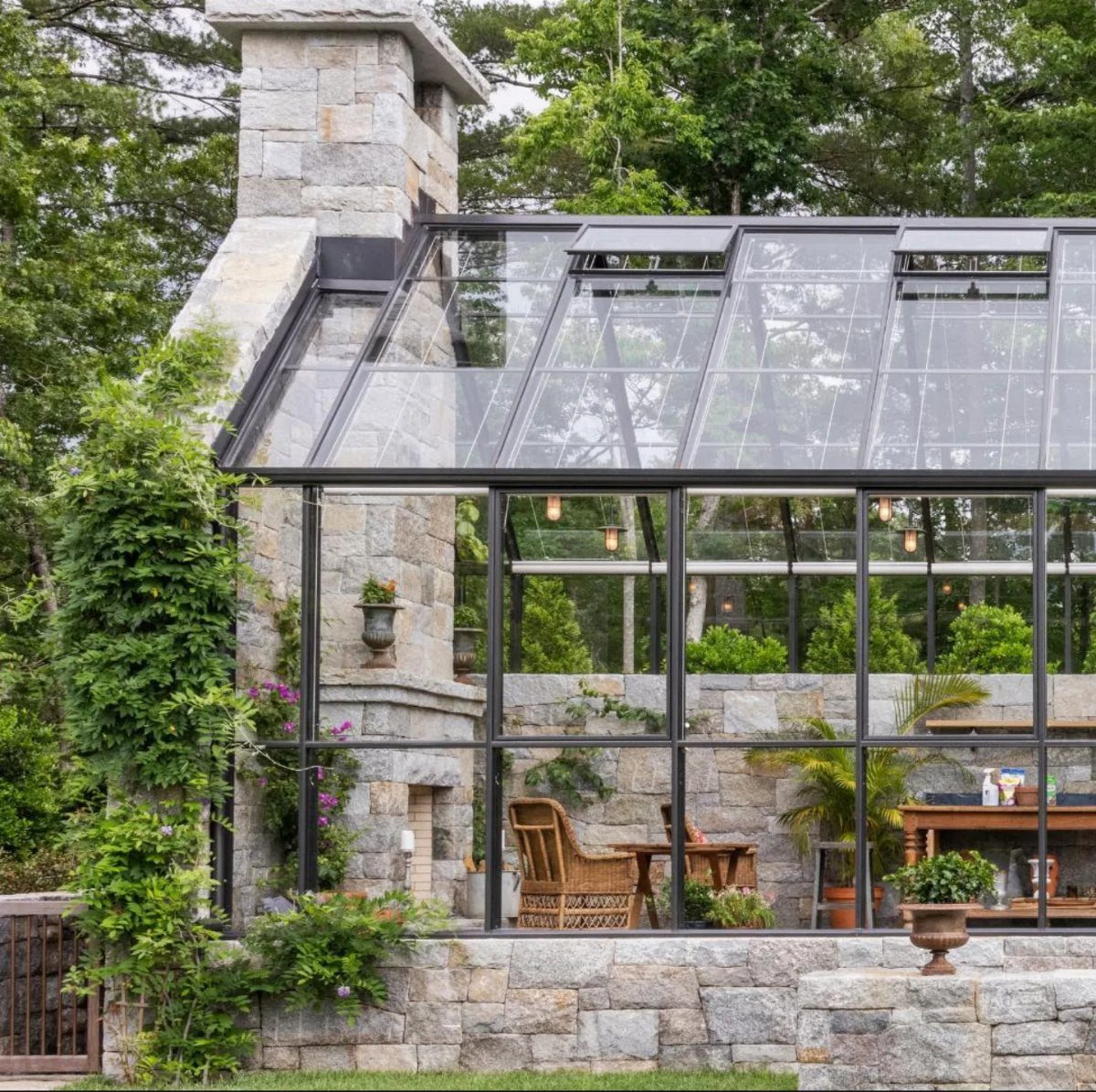
A low stone plinth lifts the frame off wet ground, so wood and metal stay drier at the base. It also gives the greenhouse a finished, permanent look that a bare-ground build lacks.
Stone costs more in money and effort than a simple timber base, and it is heavy work for one weekend. I would still choose it for a glass house with a black frame, since the grey stone suits it well.
Level the footing first; every course above copies its mistakes.
5. 10×12 Simple DIY Greenhouse Plans
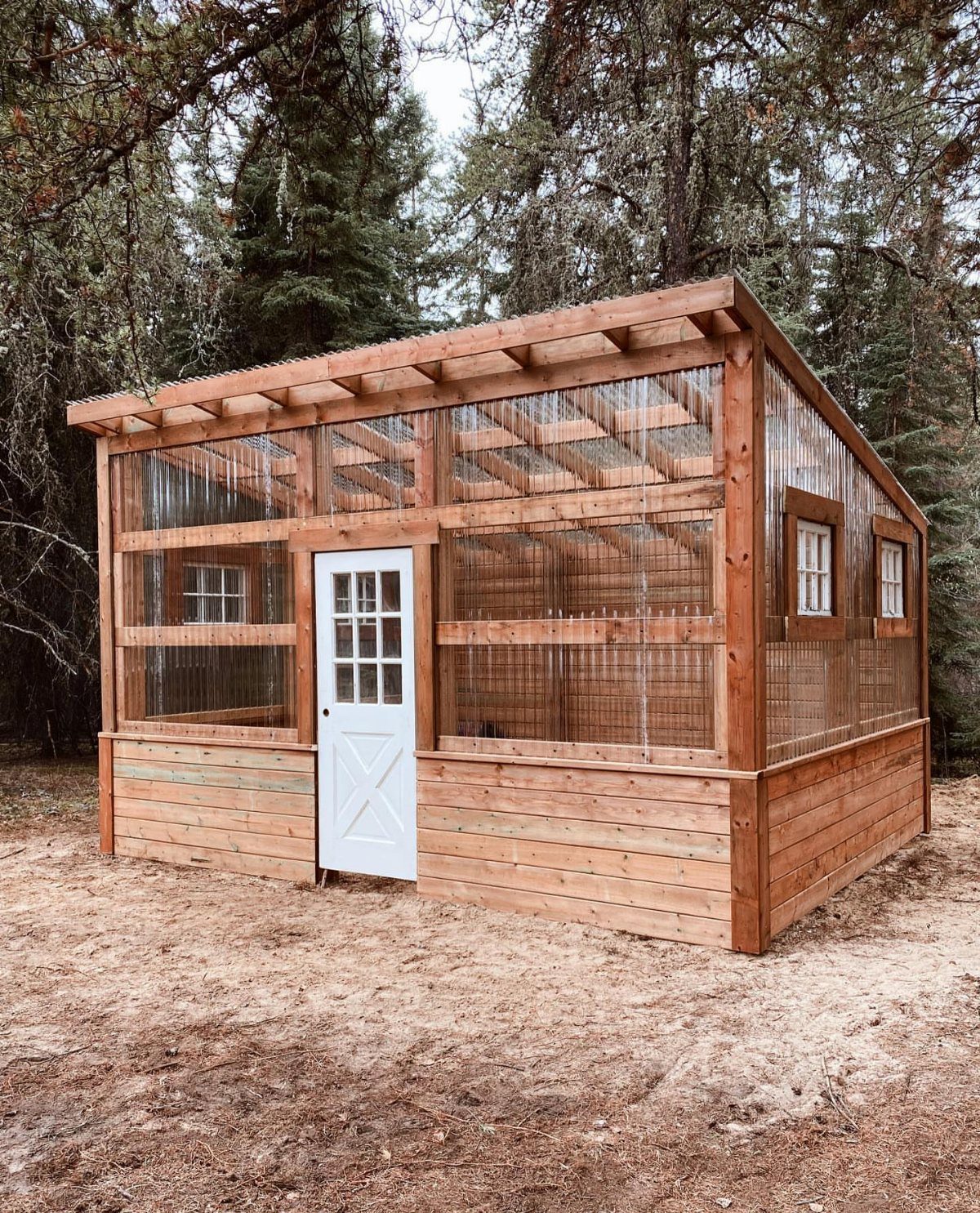
A 10×12 footprint is 120 square feet, enough for a bench along each side and a walkway down the middle. For a first build, I think that is the size where plans stop feeling cramped.
Wooden framing with polycarbonate walls keeps the cutting simple, and shelves built into the frame save buying freestanding racks later. Put a vent or two where air can cross the space.
Add a white-painted door if you want it to read as part of the yard.
6. Gable Greenhouse
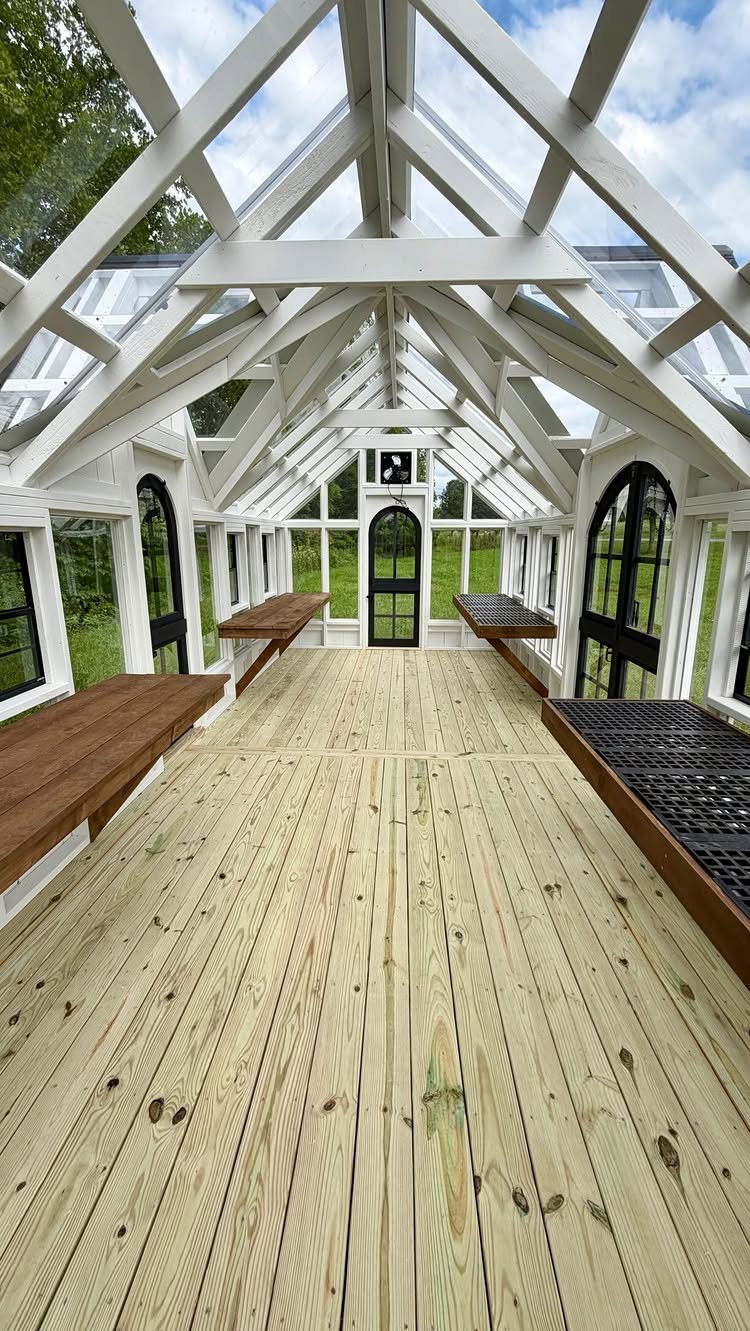
Rising to a center ridge, a gable roof gives real headroom, so you can stand upright anywhere along the middle and hang baskets from the rafters.
A clear roof and glass walls pull in maximum light, which suits a potting bench setup. I like a light wood floor here: it brightens the interior and wipes clean.
7. Gothic Arch Greenhouse
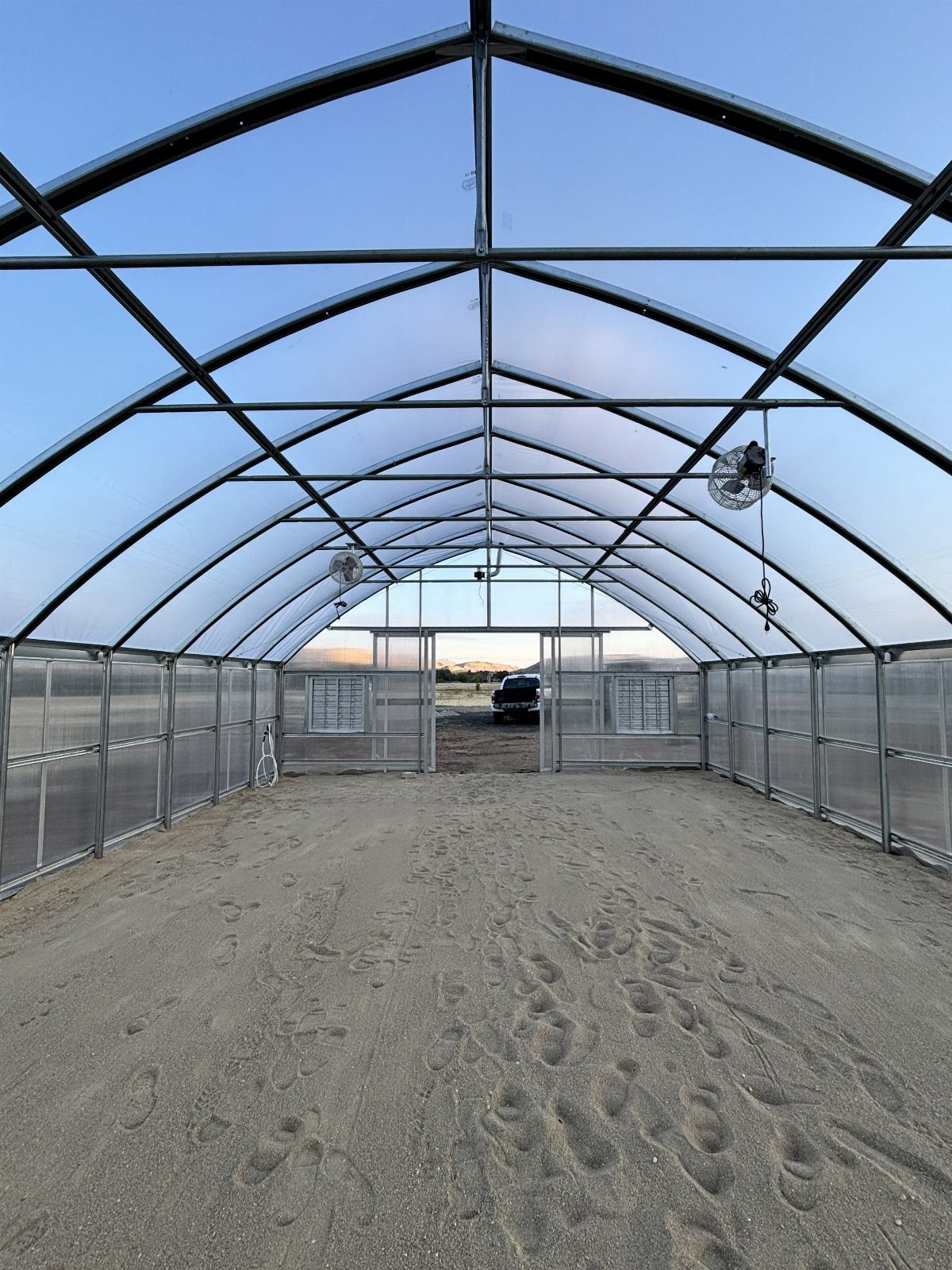
Curved ribs that meet in a point give a gothic arch its shape, and the pointed peak sheds water better than a round hoop does. In a metal-frame build, the arch also leaves clear headroom down the center aisle.
The sandy floor in this one drains easily, which suits a gardener who wants to skip a poured slab. Keep the open end facing the direction you plan to carry plants and soil in from.
Curved ribs are harder to cut than straight lumber, so a kit makes sense for a first build.
8. Geodome Greenhouse
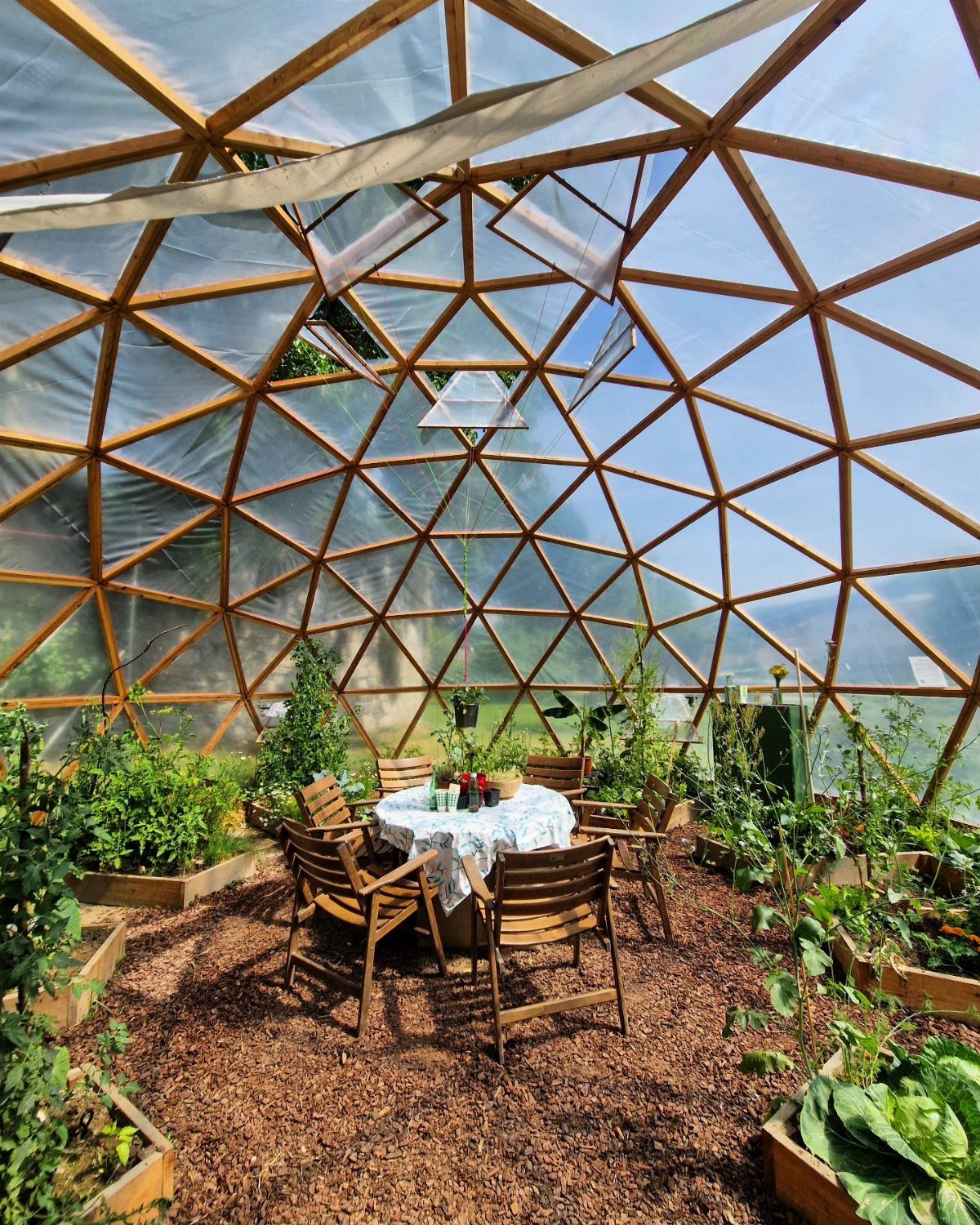
A wooden frame covered in plastic turns a geodesic dome into a rounded room with no flat walls.
Garden beds can ring the outside edge, where the ceiling is lowest, while the center stays open for a small table and chairs.
I like mulch for the floor here. It is cheap, it is easy to refresh, and it keeps dirt off your shoes.
Angled joints make the framing slower than a box build, so expect to measure twice before you cut.
9. Earth-Sheltered Greenhouse
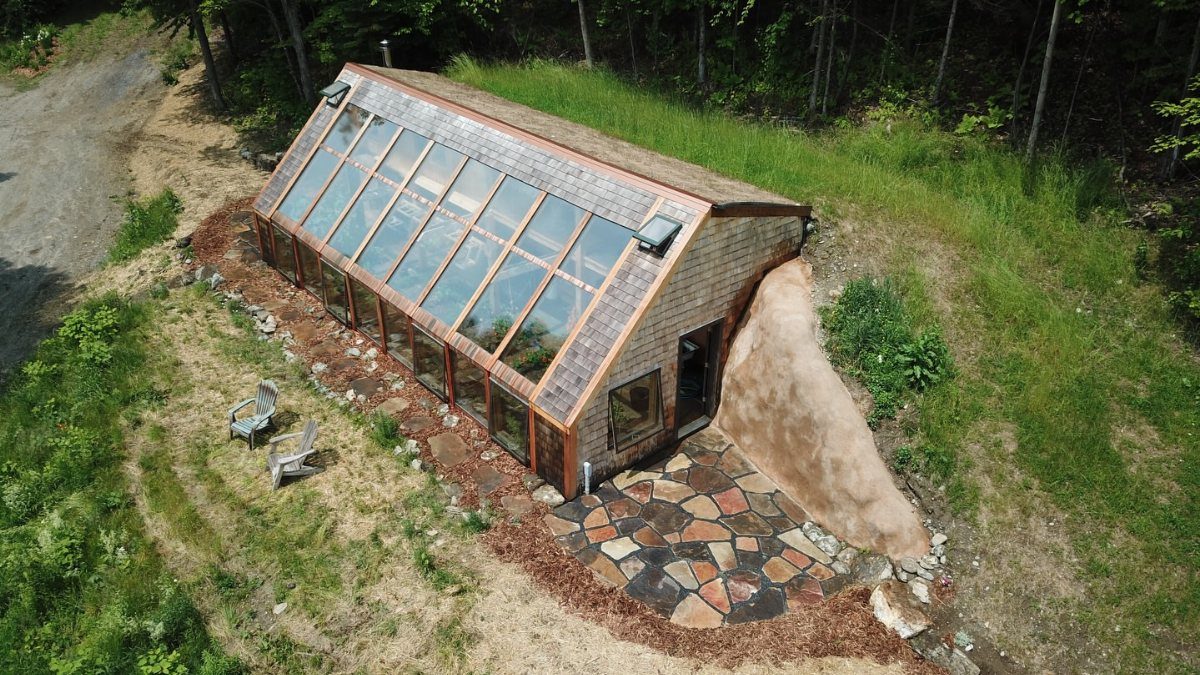
Cutting a greenhouse into a grassy hillside gives you a slanted glass roof facing out and earth packed against the back and sides. Cedar siding on the exposed walls keeps the front looking like part of the garden.
A stone patio with 2 chairs makes the roofline a spot to sit, not just a work area. I would put the patio at the front, where the glass catches the view.
Digging into a slope is heavy work, so budget for hand tools or a rented machine.
10. Repurposed Window Glass Greenhouse
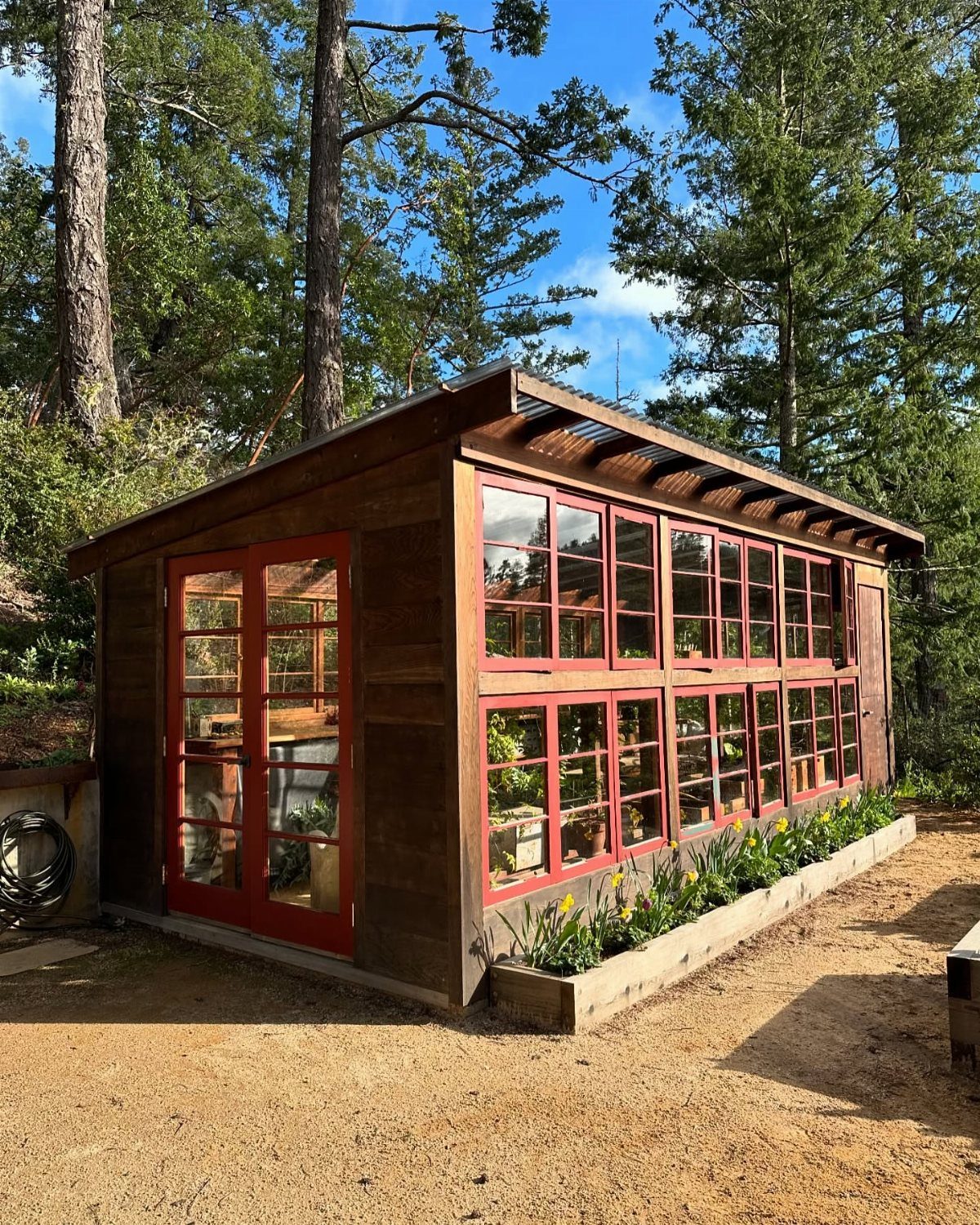
Old multi-pane windows and doors can serve as the walls of a small wood-framed greenhouse, and the glass costs far less than new panels.
Red paint on the sashes gives the building a strong contrast with the dark green of tall pines, so the whole structure reads from across the yard.
Build the frame around the windows you find, not the other way around, since no 2 salvaged sizes match. Set a planter box by the door for flowers.
Plan on extra time hunting for matching pieces; that search is the real cost.
Building Costs and Materials
A self-built greenhouse can come in at a few hundred dollars, which is well under what a premade one usually costs.
The savings grow when you find recycled windows or spare glass panels, since glazing is the part of a build that adds up fastest.
Pick a plan that includes a materials list and a shopping list, and do it first, since those 2 pages keep the budget honest.
Take the list to the store as written, price each line, and total it. That total tells you in 10 minutes whether the project fits your budget, and it stops the second and third trips for a forgotten box of screws.
Save money on the extras instead: shelving, hooks, and trim can all be added later.
Greenhouse Gardening Benefits
A greenhouse gives plants protected conditions, with temperature and light held steadier than they are outside. That is what lets you garden past the usual season, and in a mild enough climate, year-round.
The easiest win is a head start on spring. Start seeds inside the greenhouse weeks before the ground outdoors is workable, then move strong seedlings into the garden once the weather settles.
Plan your first season around that one use. Seed trays on a bench need very little space, so even a small build pays for itself before you try anything fussier, like winter greens.
Frequently Asked Questions
How much does it cost to build your own greenhouse?
A self-built greenhouse can come in at a few hundred dollars, well under what a premade one usually costs.
One A-frame plan is listed at under $200 in materials. Add up every line on the materials list first, then compare the total with your budget.
How can I make a simple greenhouse at home?
Start with a wood frame covered in polycarbonate panels, such as a 10×12 build.