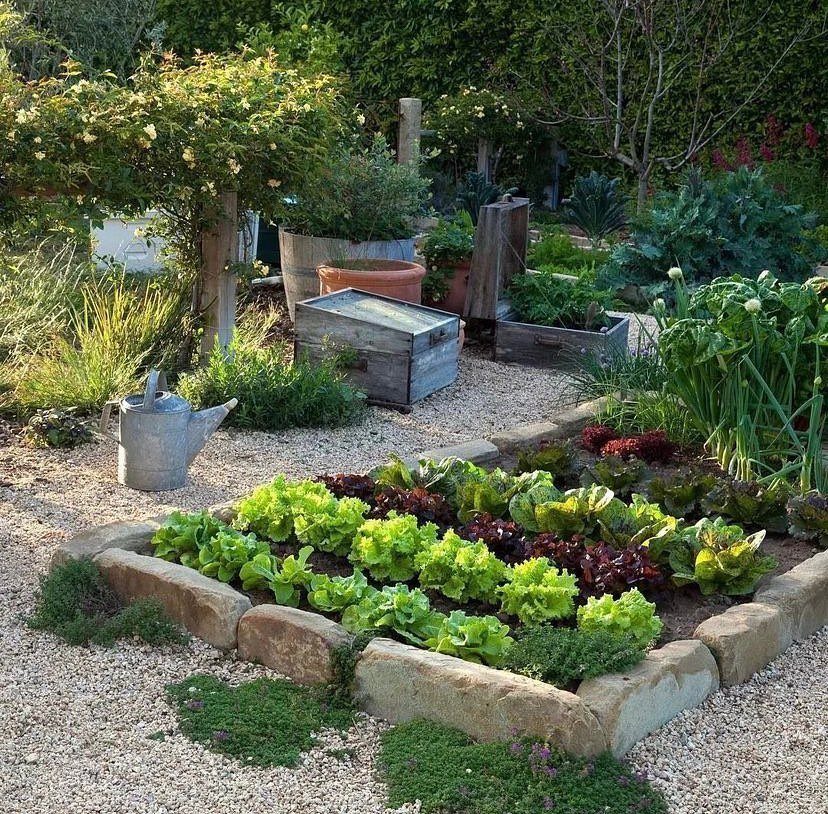
Ideas here run from trellises and arbors you can set up in an afternoon to a back yard greenhouse, and the real gap between them is how long you will stay put.
A herb spiral, a trained espalier fruit screen and a greenhouse all cost more than a trellis or a few containers, and they only pay off if the yard is yours for years.
Renters should look at edible containers, which you can lift and take along when you move; owners with a long view can spend on the espalier, the fruit trees and the greenhouse.
1. Trellises and Arbors
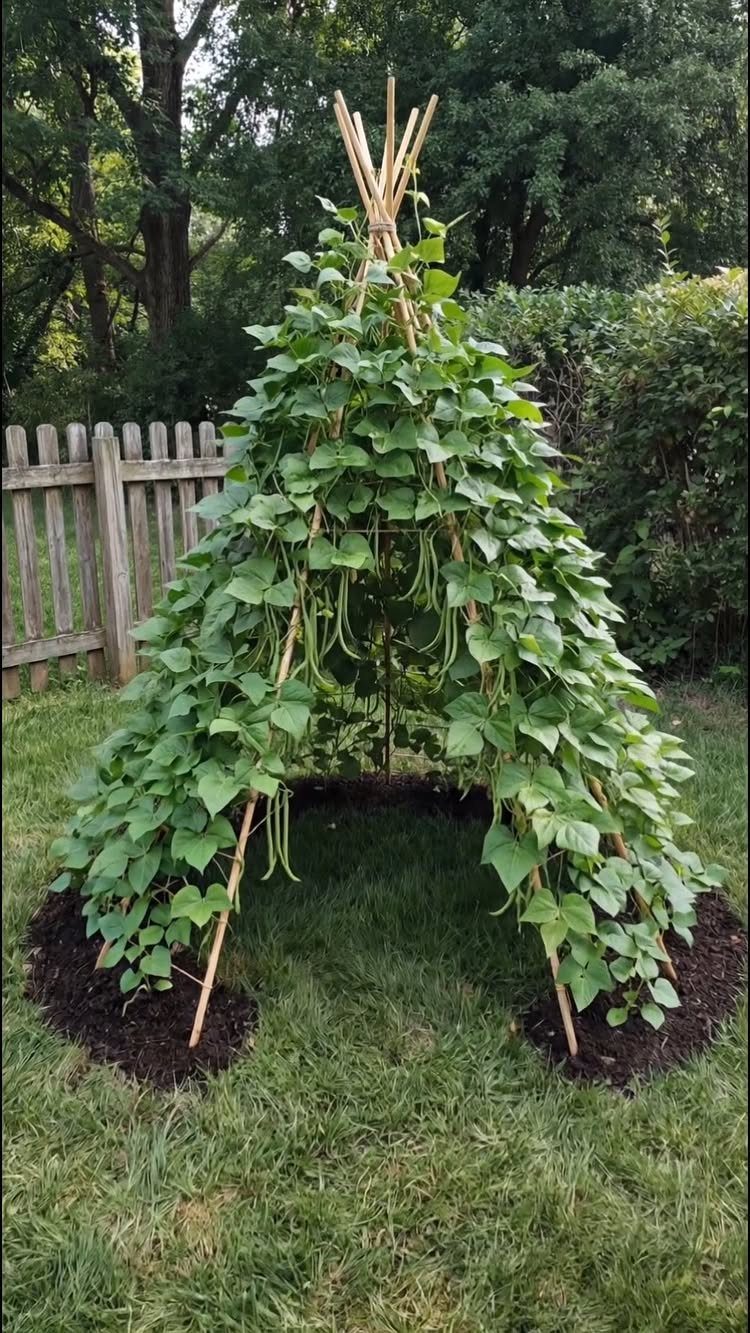
A cone of bamboo poles lashed at the top gives pole beans a place to climb, and it takes up only a few square feet of lawn.
For adding height to a flat yard while still getting a harvest, vertical growing costs less than any other option I know.
Set the poles in a circle, tie them tightly at the peak, and sow the beans at the base of each pole.
Green pods hanging against the leaves look good, and picking is easier at eye level. Arbors work the same way at a larger scale, over a gate or path.
2. Raised Bed Vegetable Garden
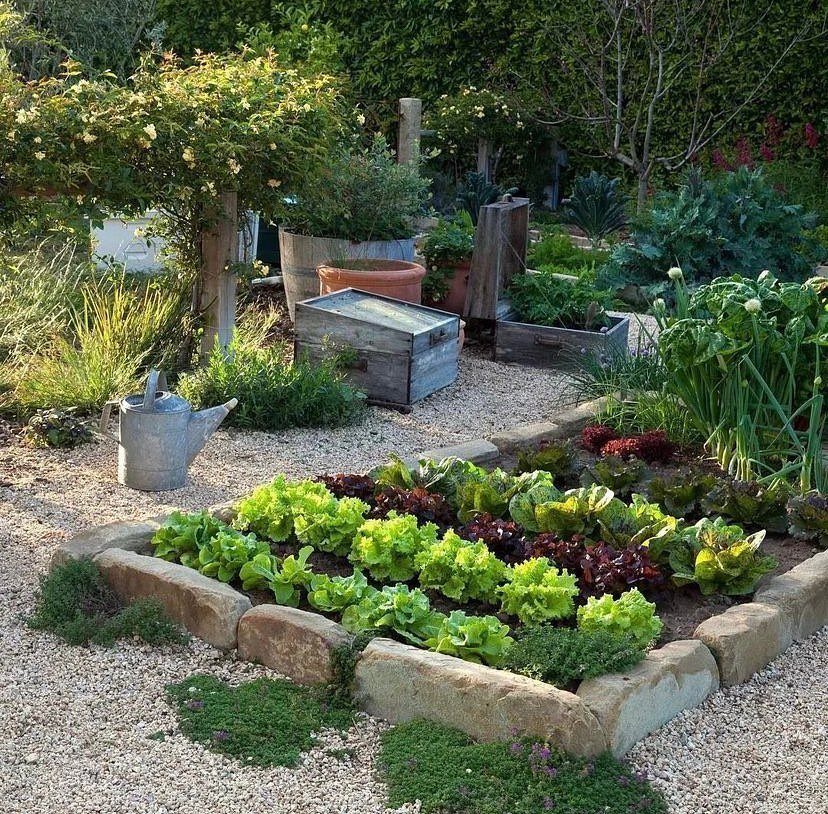
Stone edging turns a plain vegetable patch into a feature, and lettuce in green and purple shows why. Mixing leaf colors in rows makes a bed look planned even when it is small.
A raised bed suits annual crops because you replant it each season and can change the layout every year. Keep a watering can within reach so the bed gets checked often.
Stone costs more than lumber, so I would pick it only if the bed stays put for years. Gravel around the bed keeps the surrounding area tidy and low-maintenance.
3. Edible Herb Spiral
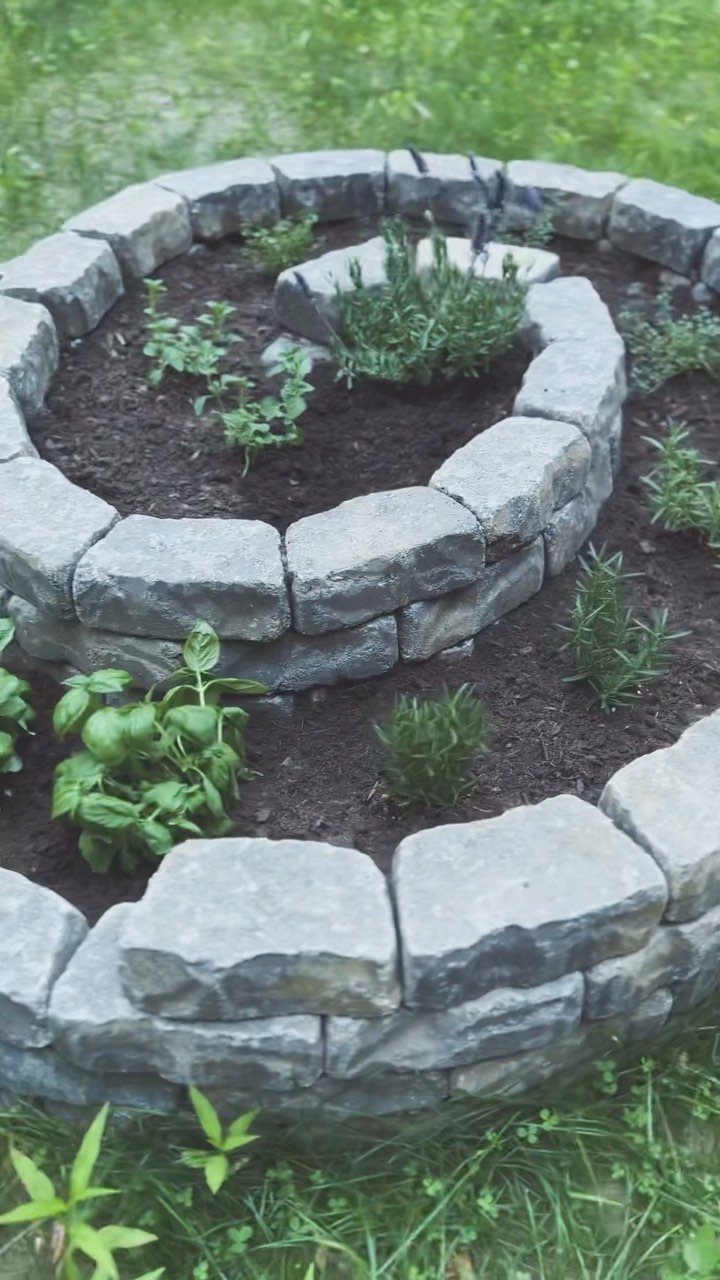
Herbs packed into a spiral of grey stone take up little ground yet hold several plants in one compact shape. The coil rises toward the center, which makes the bed read as a sculpture rather than a chore.
Stack the stones in a rising curve and fill the middle with soil before planting.
Keep it near the kitchen door so you actually snip from it. I like stone for this shape because it holds the curve cleanly, and a lawn around it makes mowing the edge simple.
4. Fruit Trees
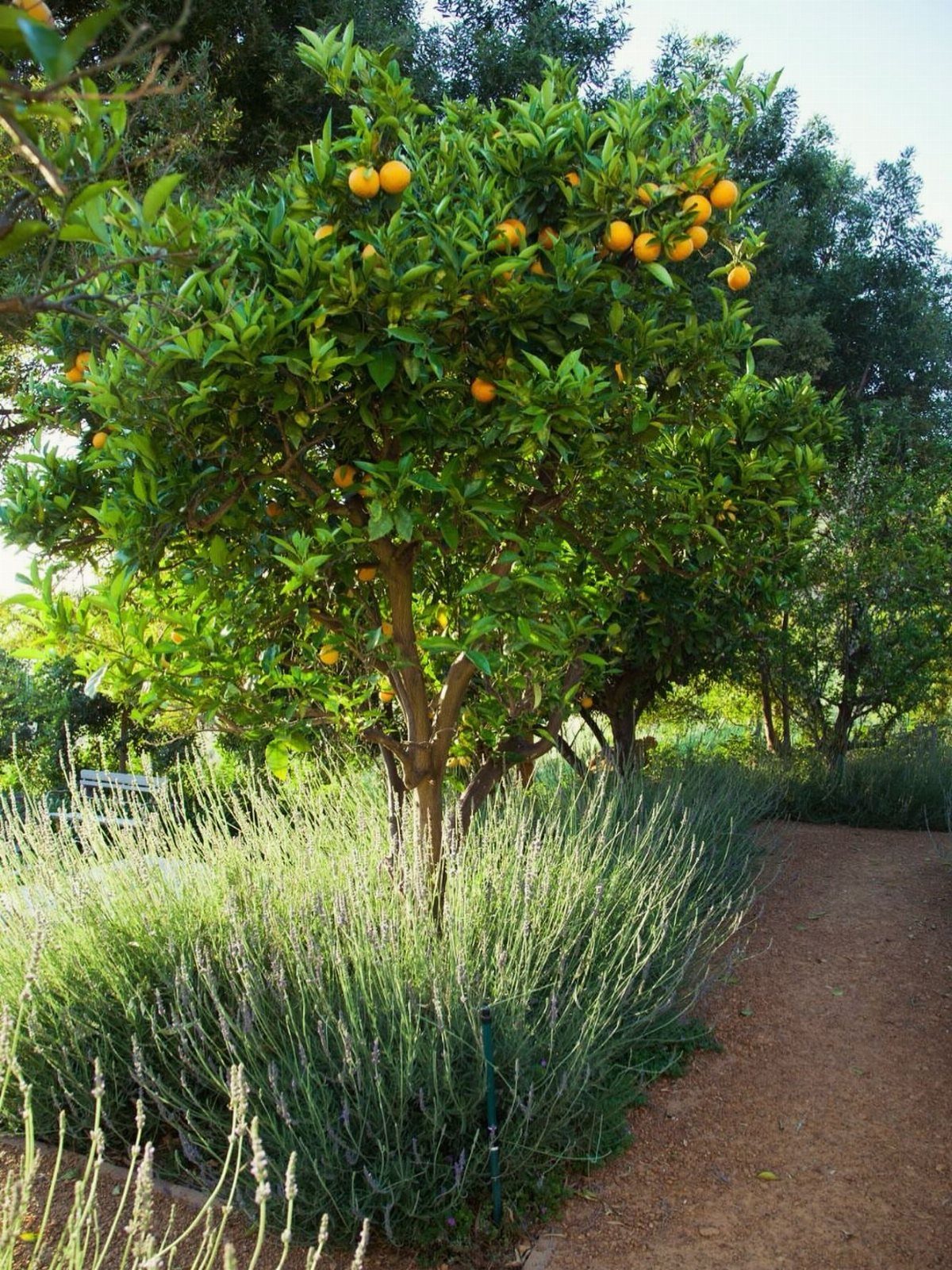
An orange tree rising from a bed of lavender is proof that fruit trees can anchor a planting rather than sit alone in the grass. The fruit gives color, the tree gives height, and the lavender fills the ground below.
Underplanting is my favorite way to use the space around a trunk, since the bed looks finished without extra work.
Leave a clear dirt path beside it so you can reach the fruit for picking. Trees also offer shade, structure, or a windbreak, so place yours where those jobs are needed.
5. Espalier Fruit Screen
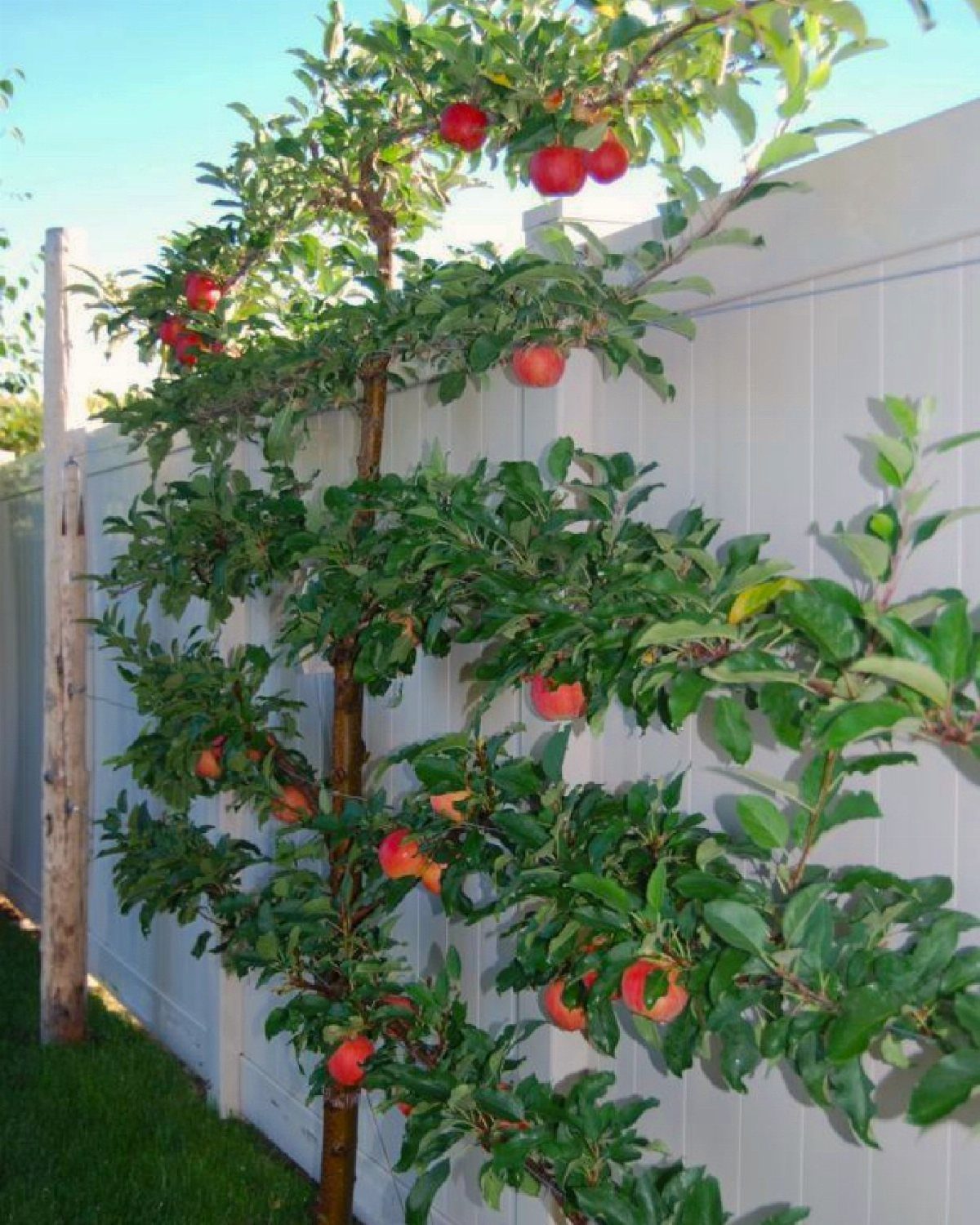
Flat against a white fence, an espalier apple tree gives red fruit a tidy, graphic look that takes almost no width. Training branches along the surface suits narrow yards where a freestanding tree would crowd the space.
Use it to hide bins or other waste areas: put the trained tree in front of them and let the fence behind do the backing work, but keep it well clear of the water meter or anything else a utility crew may need to reach.
A pale fence makes the fruit stand out. Expect to prune and tie branches regularly to hold the shape.
6. Parsley Edging
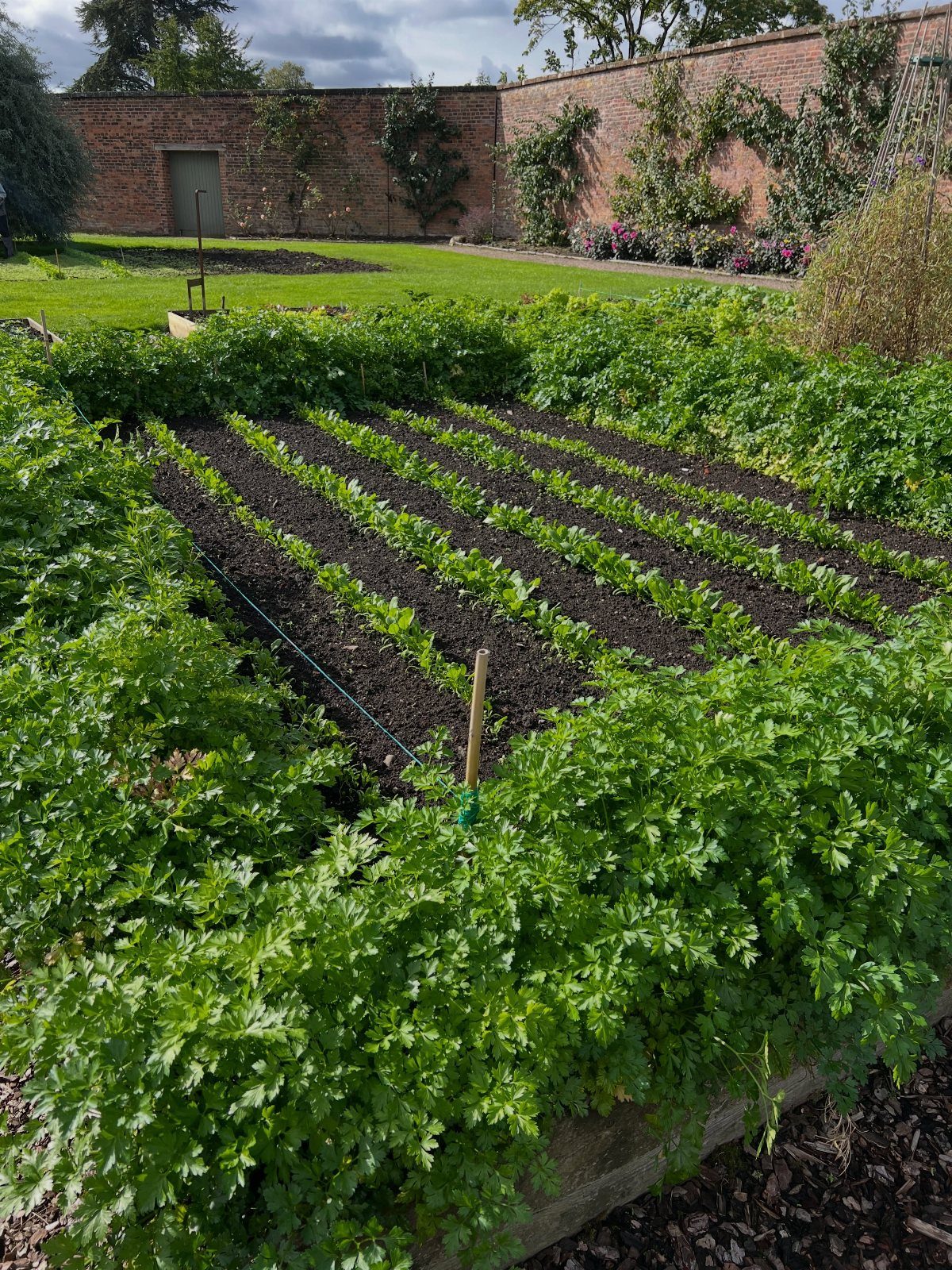
A thick band of parsley around a bed of seedlings makes a living border that is also dinner. The ruffled green leaves form a soft, even edge against brick and lawn.
Plant it close and continuous so the line has no gaps.
I prefer parsley to ornamental edging because you can trim it for the kitchen, and clipping keeps the border neat. It can also be planted in blocks for texture, setting its curly foliage beside plants with smoother leaves.
7. Back Yard Greenhouse
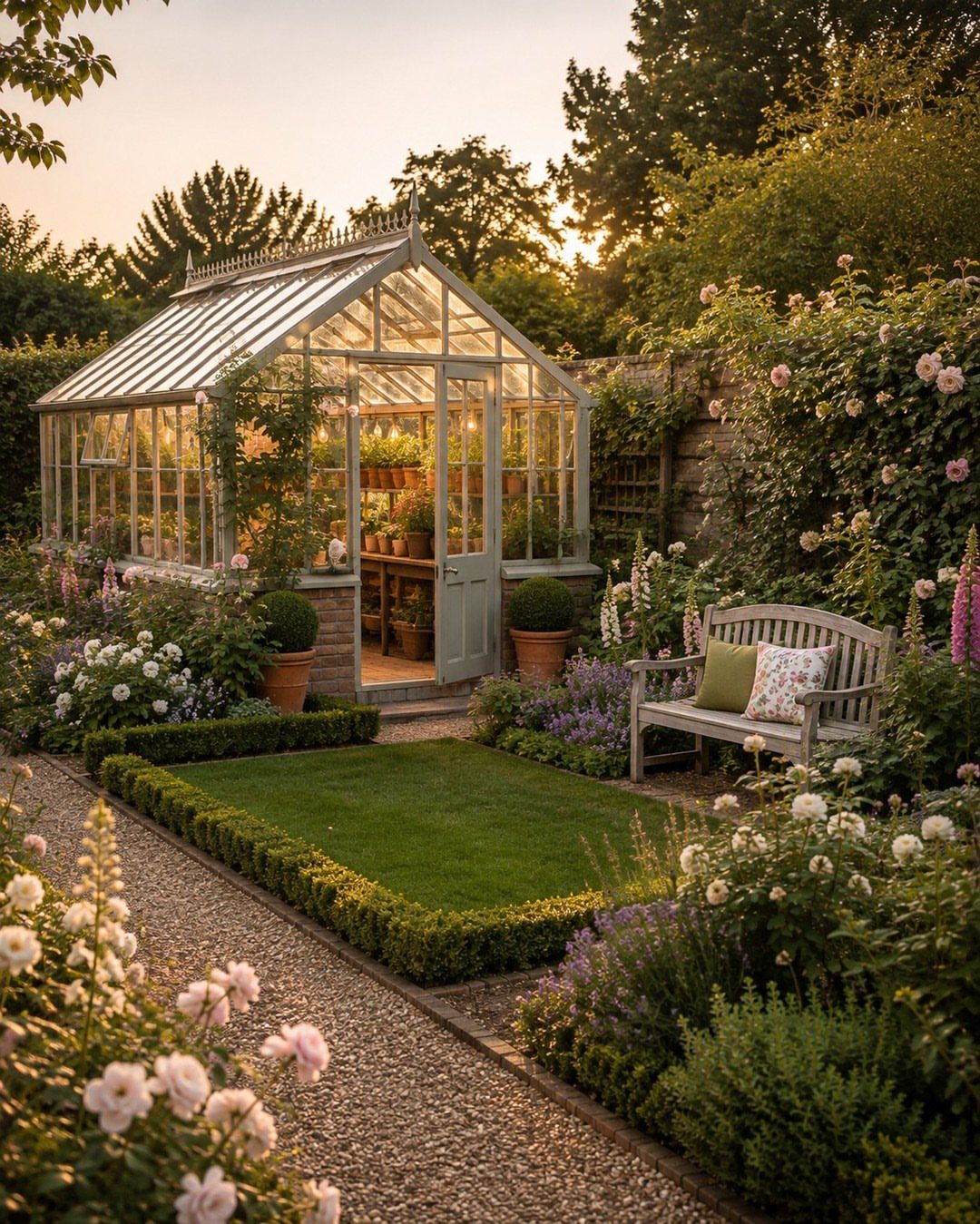
The reason to add a back yard greenhouse is that it extends your growing season, and a glass structure also looks like part of the garden instead of a utility shed.
Place it where a gravel path leads straight to the door so you can reach it in any weather.
Glass costs more than plastic sheeting, so I would choose it only if you plan to keep the greenhouse for many seasons. Start seed trays inside, then move them out to the beds.
8. Edible Containers
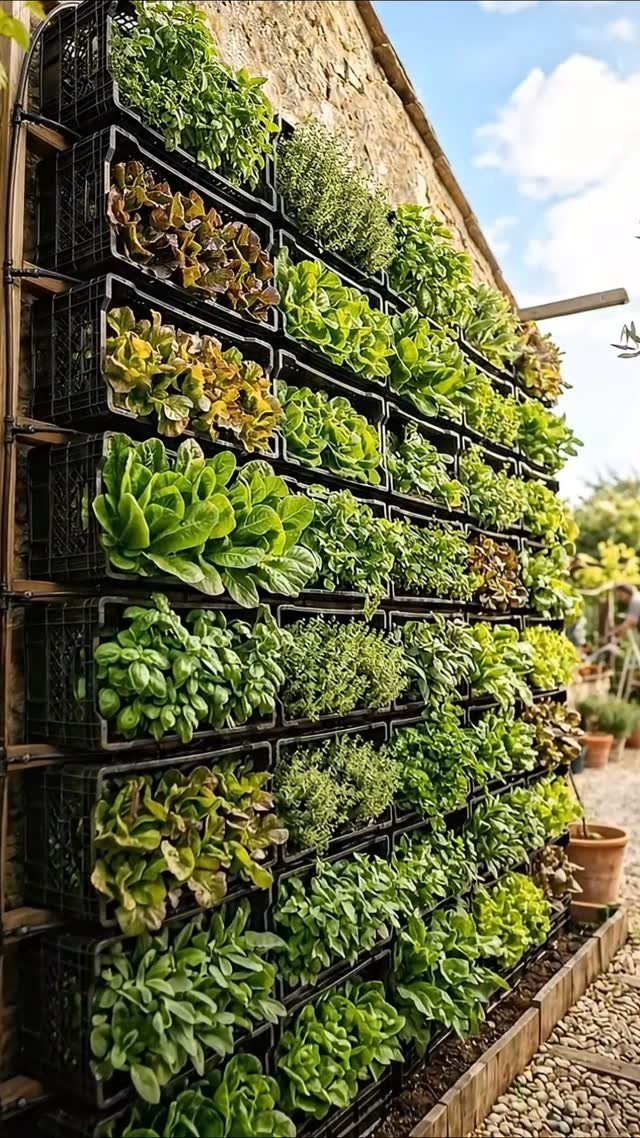
Stacked crates turn a bare wall or fence into a vertical garden for lettuce, spinach and herbs, and they suit any spot with little ground; drill drainage holes and use a light potting mix so the weight stays manageable.
Lean them on stone or a fence and the planting climbs the wall instead of eating up floor space.
Crates cost little compared with built planters, which makes this a good renter option, since you can lift them and take them along when you move.
Keep the herbs in the top rows, where you can snip them quickly, and water often, because small containers dry out fast.
9. Edible Groundcovers
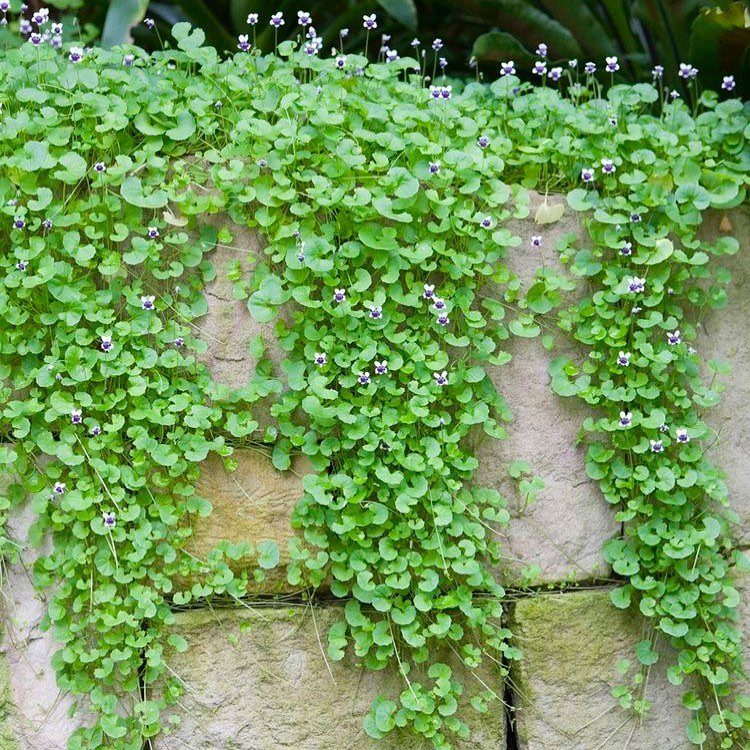
Trailing over a pale stone wall, a leafy groundcover with small purple flowers softens hard edges and covers bare soil at the same time.
Choose low-growing edible plants for this job and the planting feeds you while it fills the space.
Use them along bed edges, at the foot of a wall, or in place of lawn in a patch you are tired of mowing. Plant them close together so they knit up and leave little soil showing.
10. Berry Bushes Along Fences
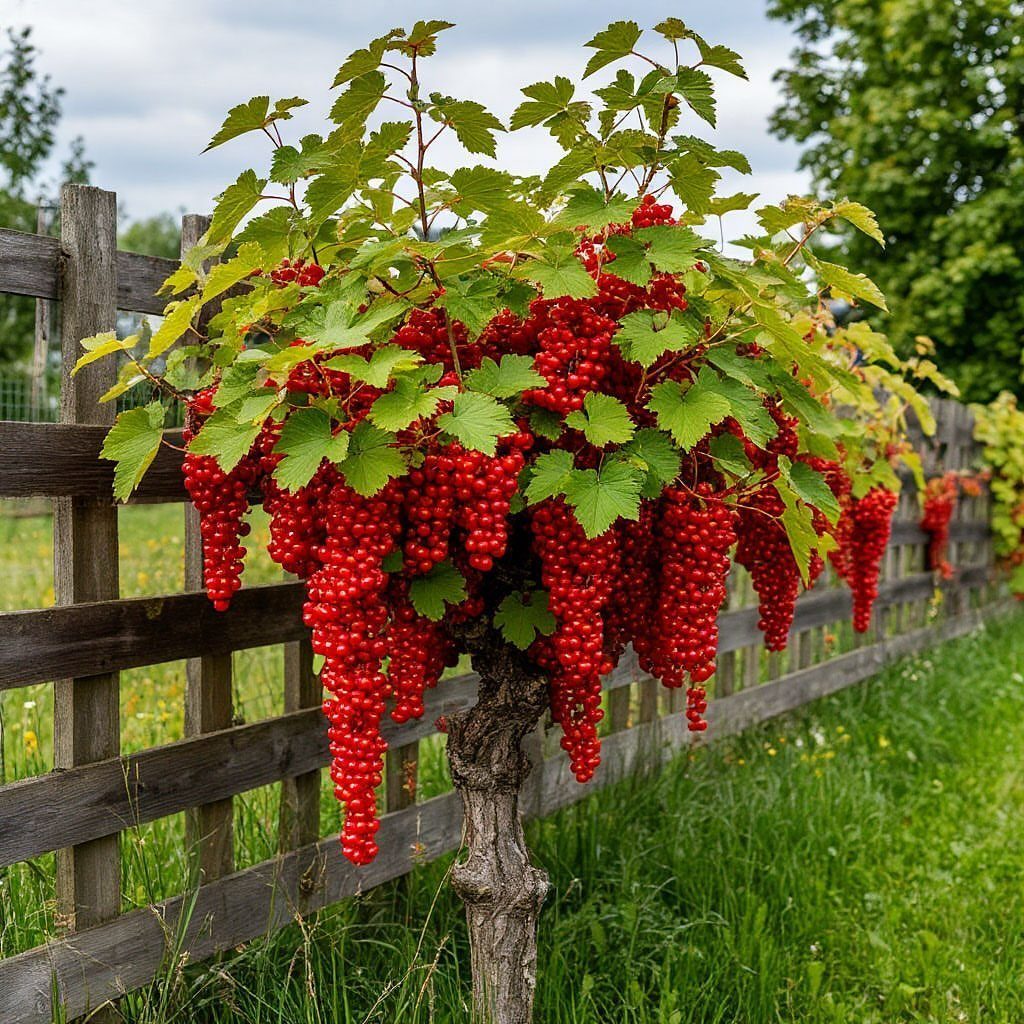
The fence gives the shrub a backdrop, and the berries stand out sharply against the weathered wood.
Fence lines are often wasted ground, so I would plant berry bushes there before giving up bed space.
Leave enough room in front to reach the fruit for picking. Rough wood suits this look better than a painted fence, and the bright red berries do the decorating.
Assess Site Conditions First
Sketch the yard on paper before buying a single plant.
Mark the house, walkways, driveway, sheds, rock walls, fences and every plant already growing there. Note which way the property faces.
Then track the sun.
Sun changes with the calendar: a bed that gets full sun in June can slip into part shade by August, and a deciduous tree lets light through in spring and fall but shades the soil all summer.
Check each area at a few points in the season before you commit.
Check your USDA hardiness zone first, then match each plant to the spot’s sun, drainage, moisture and slope. A soil test is worth considering, since it shows the pH you are working with.
I put plants with similar water needs together and plant the thirstiest ones nearest the spigot, so the hose never has to stretch far. Water only where and when rainfall falls short, not on a fixed schedule.
Start Small and Plan Access
Start with one area you can keep up with, then expand next season. A small bed that gets tended beats a big one that gets ignored.
Plants you can reach easily get tended and picked more often, so put the daily crops closest to the path.
Put crops you harvest often, like tomatoes, in the beds closest to the house or kitchen. Crops like pumpkins, which you harvest once and rarely fuss over, can go at the far edge.
Think through paths, children, dogs, deer and other wildlife before planting. Expect to share some of the harvest with insects and animals, and skip pesticides to keep the yard safe for your family, pollinators and waterways.
Check your HOA rules first if you have one, since layout and plant choices may need to match approved guidelines. Keep beds off city rights-of-way and clear of anything a utility crew may need to reach, like a water meter.
Soil, Water, and Maintenance
Healthy soil decides how strong and productive the plants get. Work in compost or other organic matter, test the pH, and rotate crops each year to avoid nutrient depletion and cut disease risk.
With rocky, poor or contaminated ground, I’d build a raised bed and fill it with good soil mix rather than try to repair what’s underneath.
A layer of mulch over the soil keeps moisture in and holds weeds down. It also improves the soil as it breaks down.
Water deeply rather than often.
During peak growth, 1–2 inches a week is a common target, though rainfall counts toward it. Aim water at the roots and avoid overhead irrigation where you can; drip lines handle this well.
Frequently Asked Questions
What is the 70/30 rule in gardening?
No single 70/30 rule is standard in gardening, so I’d treat the phrase with caution unless the source spells out what the two numbers split.
What I can give you is a firm rule for planning: put the crops you pick most often closest to the path and the kitchen, and send once-a-season crops like pumpkins to the far edge.
Is edible landscaping legit?
Yes. It means growing fruits, vegetables, herbs and edible flowers inside ordinary ornamental garden spaces, using the same design principles you would use for a flower bed.
It can be as simple as swapping a few ornamentals for edibles, and perennials cut maintenance because they keep producing over many seasons.
What are the best plants for an edible garden?
Match the plant to the spot rather than chasing a fixed list.
Pole beans suit vertical growing, lettuce and spinach work in beds and crates, and parsley makes a trimmable border. Herbs fit a spiral near the kitchen, berry bushes use fence lines, and fruit trees anchor a planting.
What are some ideas for edible landscape design?
Pole beans on a bamboo cone give height in a few square feet of lawn.
Other good options are a stone herb spiral by the kitchen door, a raised bed of mixed lettuces, and an espalier apple trained flat on a fence.
A parsley border, berry bushes along a fence and crates of greens stacked on a wall also work. For a small yard or a rental, crates and an espalier take the least room, and crates can move with you.