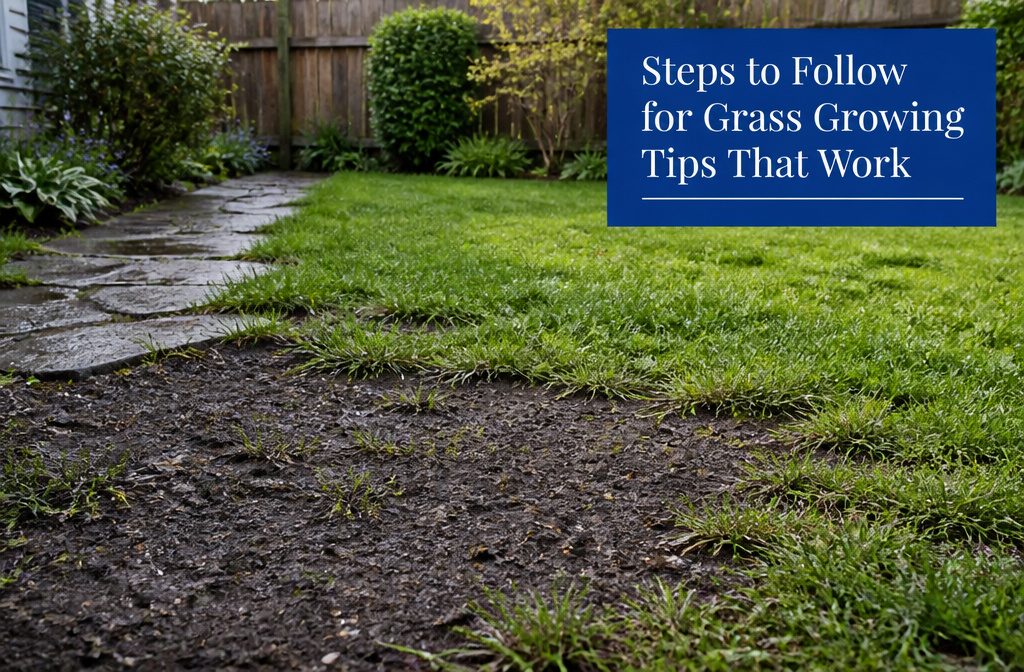
The steps run from a free walk-through to a few hundred dollars of seed, mulch and prep, and the share of your yard already in grass decides how much of that you do: under 10% is bare, 10–30% is patchy, and 30% or more is overseeding.
Dead spots need a cause found first, or new seed dies the same way.
1. Assess the Site
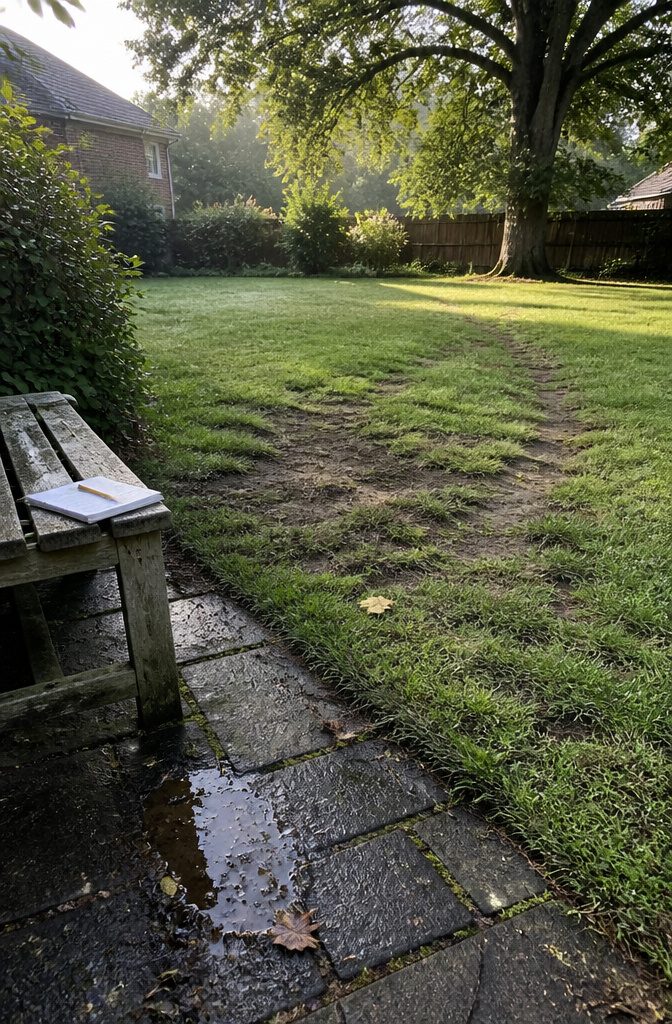
Walk the yard with a notepad and sort the area by what it already holds. Under 10% grass is bare, 10–30% is patchy, and 30% or more is overseeding, and that class sets how much seed and prep you buy.
Trees.com puts the walk-through well:
Go outside and take a good look at your lawn, and while you’re out there, answer these key questions.
Write the answers down: sun or shade, heavy or light foot traffic, puddles, weeds, square footage, and any HOA rules.
Dead spots need a cause before seed. Grubs, pet urine, fungi and too much fertilizer all kill grass, and new seed just dies the same way.
2. Choose the Grass and Timing
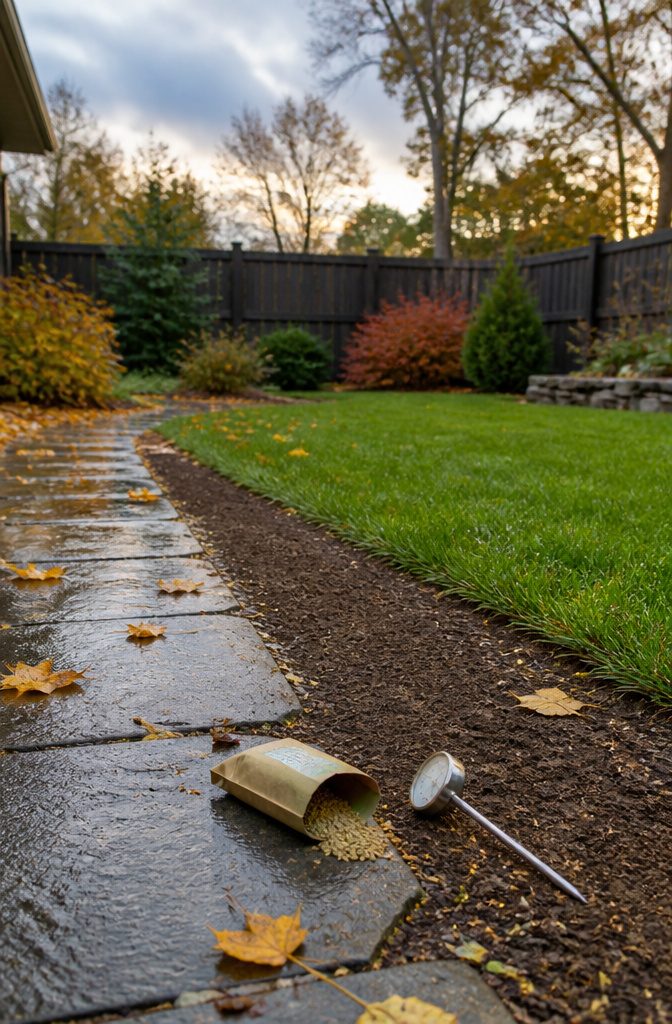
Cool-season seed (the northern choice) wants soil at 50–65°F; plant earlier and the seed sits in cold ground, and the weeds get a head start.
Warm-season grasses go in during early summer, because they need steady heat to germinate and do best where the ground never freezes.
Then match the seed to your yard: sun or shade, kids and pets or a look-only lawn, and how much mowing and watering you will actually do. A mix beats a single variety in shade or heavy use.
There is no single national date.
Indiana lawns do well with seed down in early September; in Northeast Ohio, September is the top month and April comes second. Fall wins over spring for cool-season lawns because of warm soil, cool days and steady rain.
3. Test and Amend the Soil
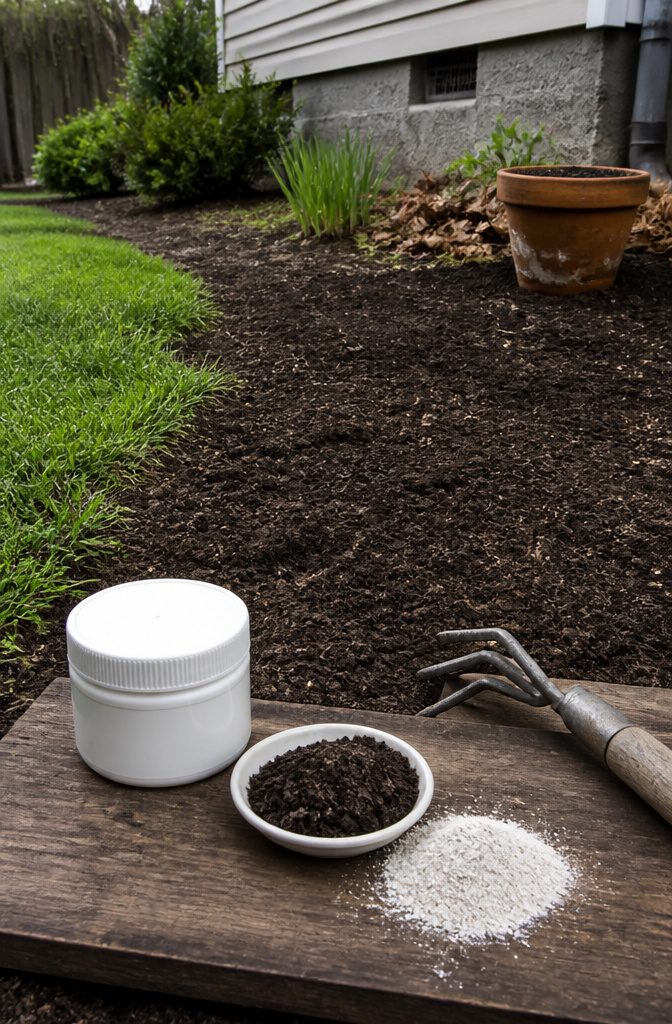
Soil pH decides how well seed feeds once it sprouts, and a home kit or your local extension office will give you the number. The target range depends on who you ask: 6–7, 6.2–7.0, or up to 7.5.
I aim for 6.2–7.0, which sits inside all of them. Below that, work in Espoma Lightning Lime; above it, Espoma Soil Acidifier.
Clay needs sharp sand mixed in for drainage. Cultivate 6 inches deep, pull out any debris that turns up, and do all of this before seed goes down, since fixing soil under a living lawn is far harder.
Finish with a starter fertilizer such as Scotts Turf Builder Starter Food or STEP 1 for Seeding.
Skip any product with weed control, because it suppresses grass seed along with the weeds. Hold off weed-and-feed until at least week 4.
4. Clear Weeds and Debris
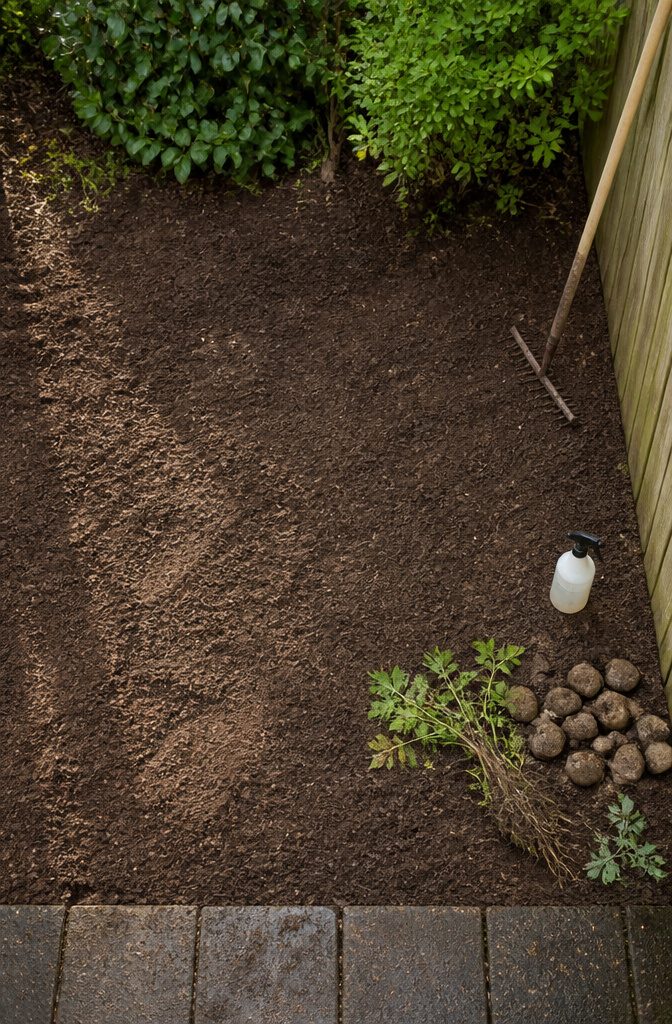
Pull every weed, rock, patch of dead grass and scrap of debris before any seed goes down. Rocks and clods left in the bed make the surface uneven, and old weeds will outcompete seedlings.
Treat weeds two weeks before you sow.
Where weeds cover most of the area, a general herbicide such as Killzall or Captain Jack’s DeadWeed Brew clears the ground, and it kills grass too, so keep it off anything you want to keep.
If you’d rather skip the chemicals, rake the bed, wait for the first flush of weeds to germinate, then pull it before sowing.
Weeds that sprout in the new lawn are a different matter. I’d hold off spraying them until the grass has been mowed about 4 times.
5. Level and Firm the Seedbed
Loosen the top 6 inches of soil with a tiller, or with a hoe or soil pick on a small patch. Shoot for even, pea-sized clumps about 4 inches down, with no slabs of clay or dumped topsoil sitting on the surface.
Walk the yard and fix low spots now, because water pooling on a seedbed washes seed into puddles.
Fill the dips and make sure the grade slopes away from the house, sidewalks and patio. On compacted ground, I’d pull plugs with a plug aerator rather than poke it with a spike or slice tool.
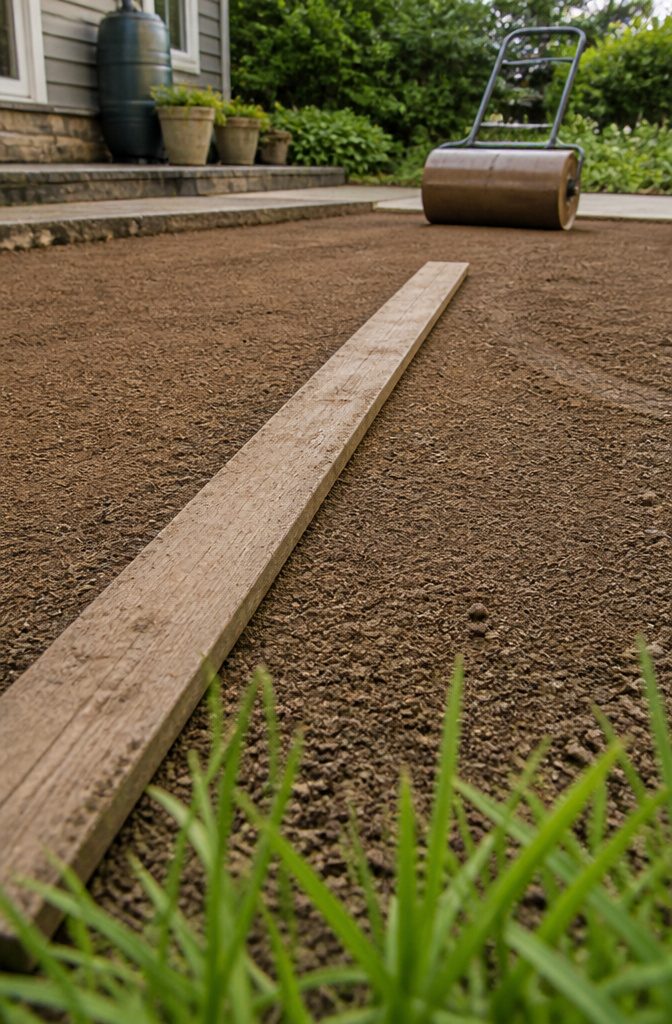
Rake smooth, drag a straight board across the surface in different directions to level it, then roll it until you can stand on it without leaving footprints. Give the bed a week to settle before you seed.
6. Spread Seed Evenly
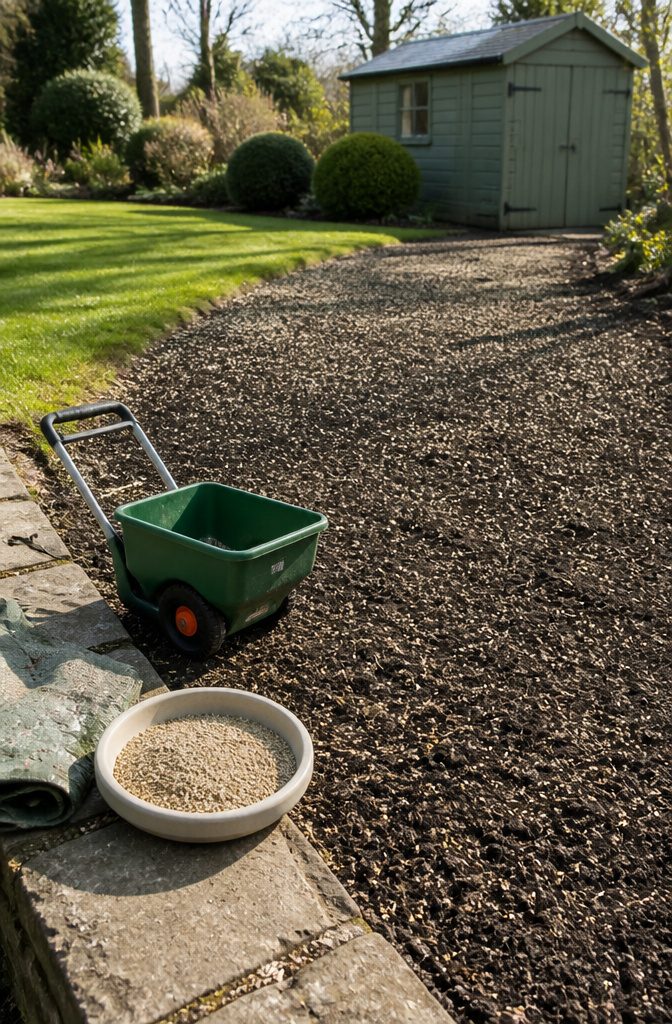
A new lawn takes 5 pounds of seed per 1,000 square feet, while overseeding an existing lawn needs only 1–2 pounds.
If you work in metric, aim for 35–50 grams per square meter. Weigh out the amount for your area first, then split it in half.
Sow the first half walking one direction and the second half at right angles, so any skipped strip gets covered on the second pass.
A hand spreader suits a small patch; for a bigger yard a mechanical spreader keeps the pass lines even. Perfect coverage isn’t the aim, just consistent.
On the bag label, look for a high germination number and crop and weed seed close to 0.
Coated seed holds water and is easy to see on the soil. Uncoated gives more seed per pound.
7. Cover the Seed
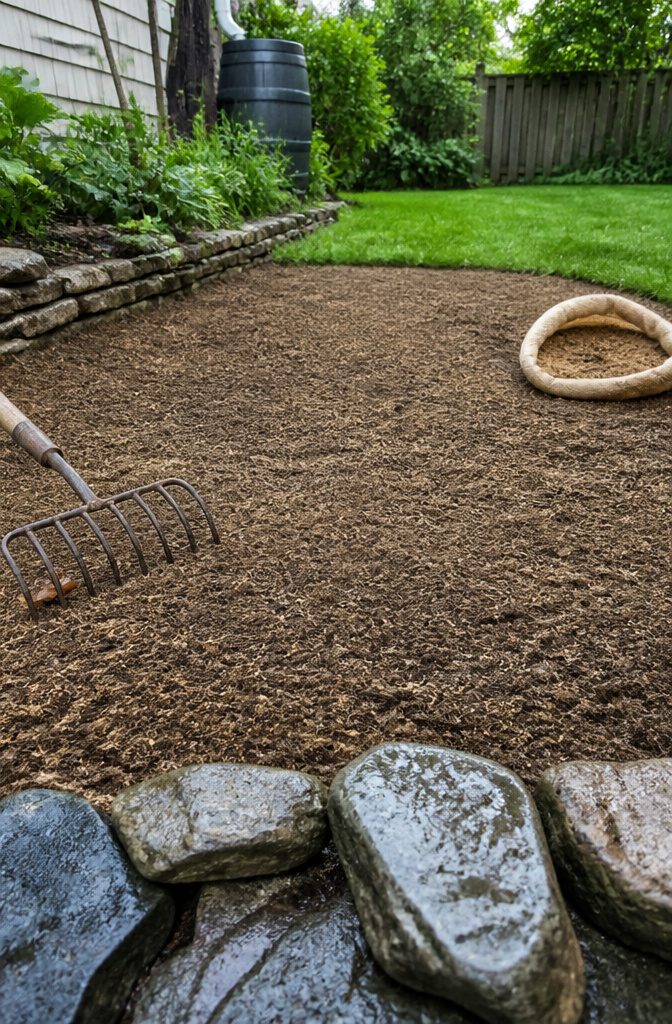
A light raking is enough to cover seed. Seed needs to touch soil, so drag a leaf rake across the surface just once or twice, or roll it, and stop before the seed sinks out of sight.
A thin dusting of seeding straw, Sweet Peet, or topsoil works too.
Mulch is where I’d spend a little extra. Hay and straw can carry weed seed into a bed you just cleared, while PennMulch Seed Accelerator contains zero weed seeds, and it combines mulch with fertilizer.
For small bare spots, Black Beauty Patcher (also sold in an 8 lb bag) and PatchMaster (10 lb) bundle seed, starter fertilizer, and mulch. EZ Seed adds a tackifier, so it’s my pick for slopes where rain washes seed away.
8. Water and Protect New Grass
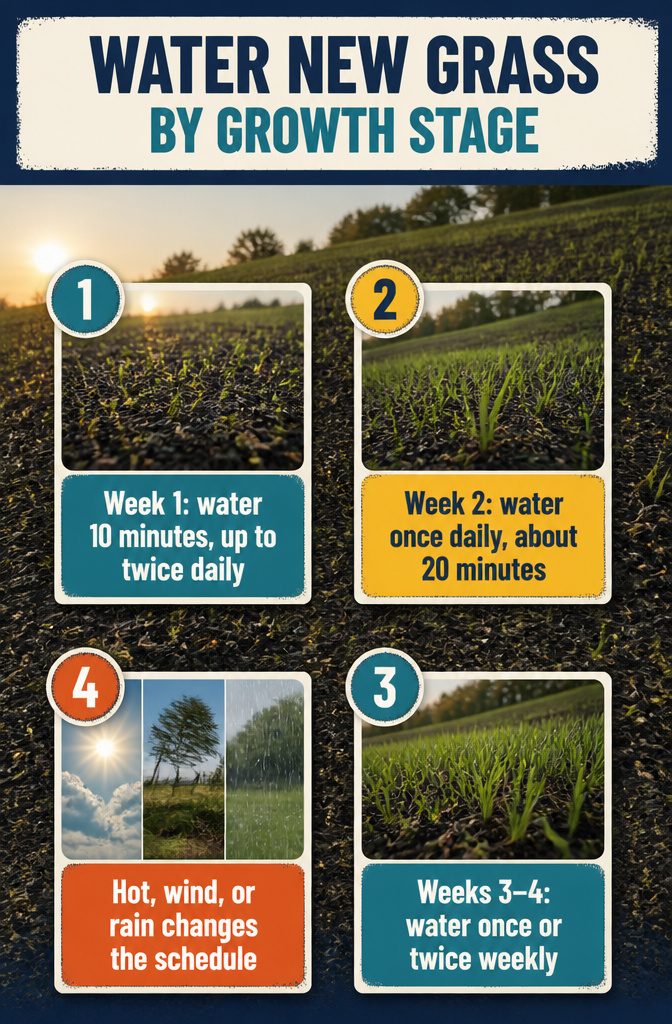
Week 1 is the one that makes or breaks a seeding: water for about 10 minutes at a time, up to twice a day, early morning and early evening to cut evaporation.
The soil should look dark and damp, never puddled, and puddles on a slope mean washed-out seed.
In week 2, once seedlings show, switch to once a day for about 20 minutes. By weeks 3–4, once or twice a week is enough.
Another approach is 1–2 daily waterings until germination, then 1 inch per week, applied thoroughly so roots chase moisture deeper. I lean toward the first schedule for beginners because it gives you steps to follow.
Weather overrides both: hot, windy days need extra passes, and rain lets you skip one.
Keep kids, pets and yourself off the seeded patch until it’s established.
9. Mow and Keep Feeding
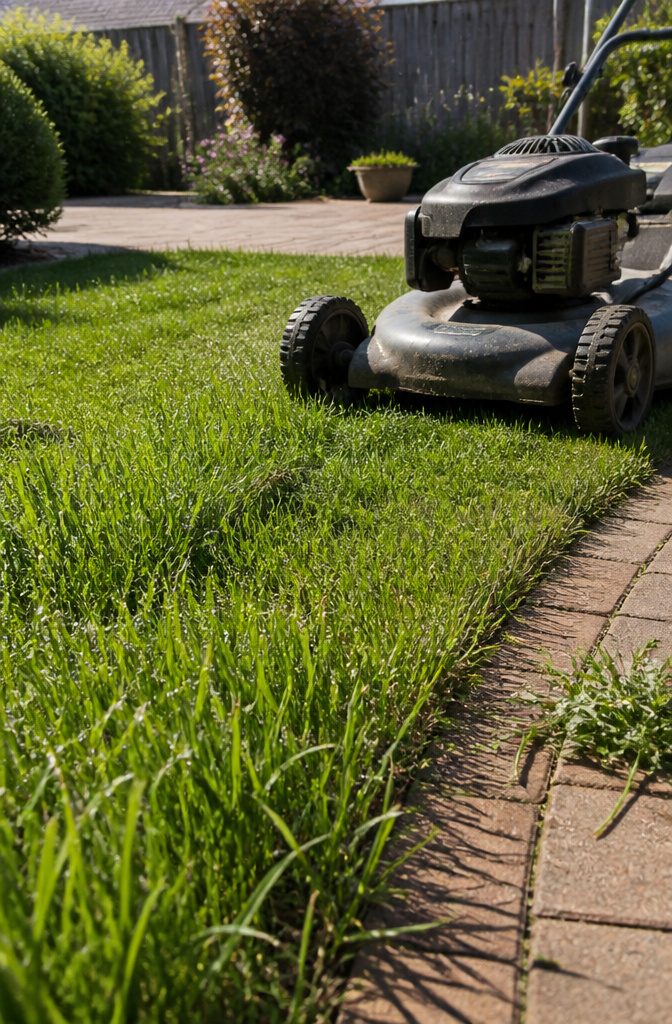
Seed usually sprouts within 14–21 days, but the clock that matters for the mower is height, not the calendar.
Wait until the blades reach 3–4 inches, then take off no more than one-third of that. Cutting a 4-inch lawn to 3 inches is fine, while scalping it to 2 inches is how you pull up seedlings by the root.
Each time you mow after that, drop the deck about ½ inch until you land on the height you want for the season.
Keep turns wide and gradual on the first few passes, because a pivoting wheel on soft ground tears young grass.
Pull weeds as you see them so they don’t crowd the seedlings, and keep pets off the area until the lawn fills in.
Grass Types at a Glance
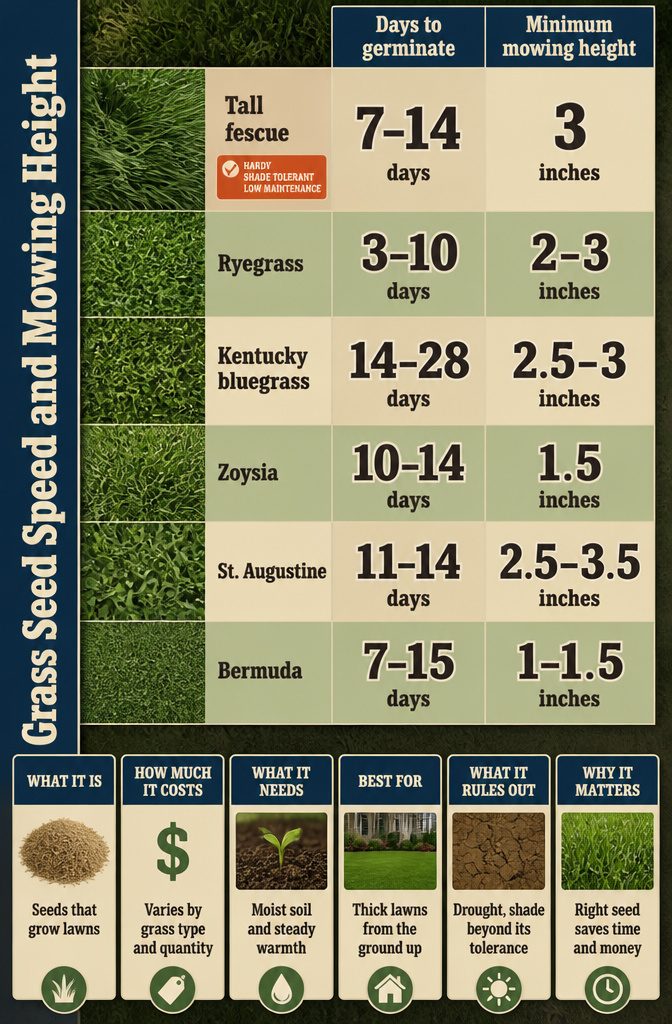
Tall fescue and Bermuda sprout fastest on paper, while Kentucky bluegrass can leave bare dirt for a month. That gap decides how long you keep the seedbed moist, so check it before you buy.
The minimum mowing height is the second number to read.
Bermuda tolerates a 1–1.5 inch cut, and zoysia 1.5 inches, so they suit a short, tight lawn. Tall fescue wants 3 inches.
| Grass | Days to germinate | Minimum mowing height |
|---|---|---|
| Tall fescue | 7–14 | 3 inches |
| Ryegrass | 3–10 | 2–3 inches |
| Kentucky bluegrass | 14–28 | 2.5–3 inches |
| Zoysia | 10–14 | 1.5 inches |
| St. Augustine | 11–14 | 2.5–3.5 inches |
| Bermuda | 7–15 | 1–1.5 inches |
For a quick, low-fuss start, I’d pick tall fescue: it is hardy, shade tolerant, and low maintenance. Its coarse blades are not soft underfoot.
Seed or Sod
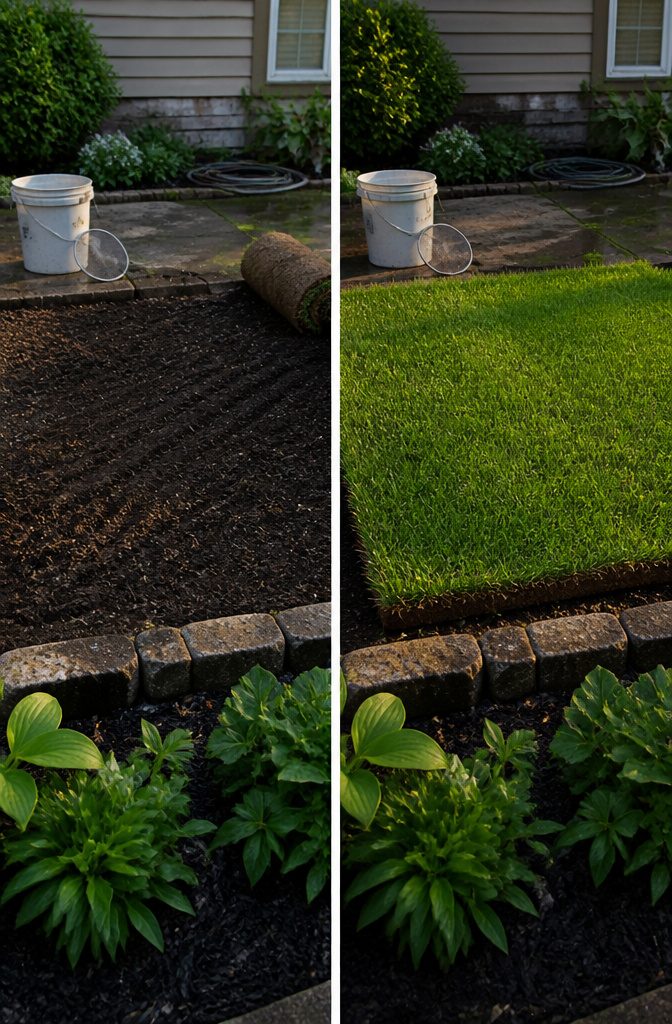
Sod wins on speed: it gives you a green lawn the day it goes down.
It also costs more than seed, comes in far fewer varieties, and a large yard may need professional installation. Seed is the budget route, but it asks for weeks of patience and steady watering.
For most renters and first-time owners with a few hundred dollars, I’d pick seed and spend the savings on good prep. If you want a head start, pre-germinate it.
Soak the seed in a five-gallon bucket for about 2 days, changing the water twice, and use a paint strainer or cheesecloth to separate seed from water. Sprouted seed is less likely to dry out once scattered, which saves water.
Try a small test patch first if this is your first lawn.
Frequently Asked Questions
How do I grow grass fast?
Pick a fast-germinating type and keep the seedbed moist. Ryegrass sprouts in 3–10 days, while tall fescue and Bermuda take 7–15, and Kentucky bluegrass can take up to 28.
Water about 10 minutes up to twice a day in week 1, then once a day for about 20 minutes in week 2. Pre-germinating the seed in a bucket for about 2 days gives you a head start.
How do you fix a yard that won’t grow grass?
Find out what killed the grass before you put down new seed.
Grubs, pet urine, fungi and too much fertilizer are common causes, and seed dies the same way if the cause stays. Then test the soil pH (aim for 6.2–7.0), loosen the top 6 inches, fix low spots and clear weeds before seeding.
What are you starting with: bare, patchy or overseeding?
Under 10% grass cover counts as bare, 10–30% is patchy, and 30% or more is overseeding.
That class sets how much seed and prep you need. A new lawn takes 5 pounds of seed per 1,000 square feet, while overseeding takes only 1–2 pounds.
How do I choose the right grass for my yard and how much maintenance I want?
Match the grass to your sun or shade, how much traffic the yard gets, and how much mowing and watering you will really do. Tall fescue is hardy, shade tolerant and low maintenance.
Bermuda and zoysia suit a short, tight cut of 1–1.5 inches, which means more upkeep. A seed mix beats a single variety in shade or heavy use.
Do I need to check HOA rules before planting grass?
Yes, check them before you buy seed or sod.
Some HOAs restrict the type of lawn or how it is installed. Write the rules down when you walk the yard, along with sun, shade, traffic, drainage and square footage.