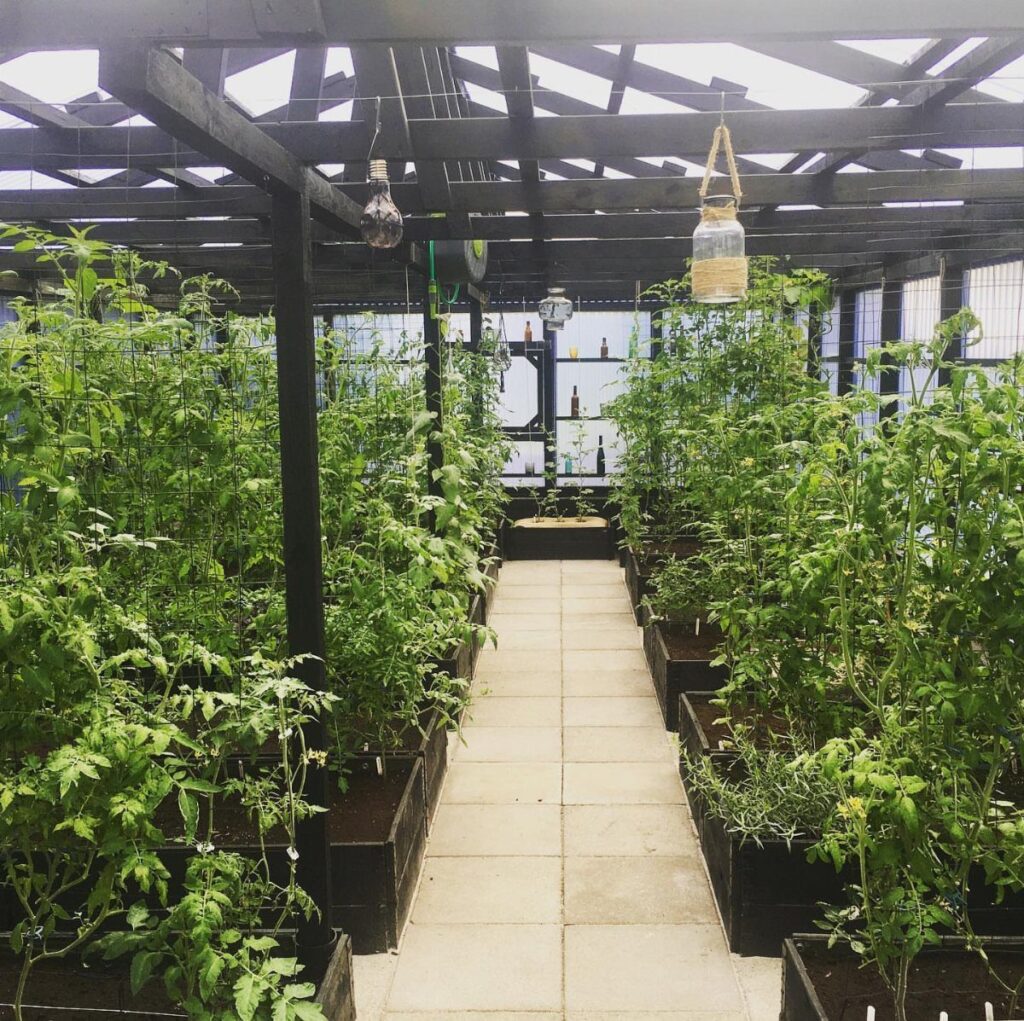
Your budget and the wall you already have will point you toward one of these greenhouses, whether that’s a lean-to against the house or a small build out in the yard.
A tabletop greenhouse takes an afternoon, a wooden cold frame box sits on the ground over seedlings, and a salvaged window greenhouse costs only as much as the windows you can scrounge, while a black metal glass build asks for a larger budget.
1. Lean-to Greenhouse
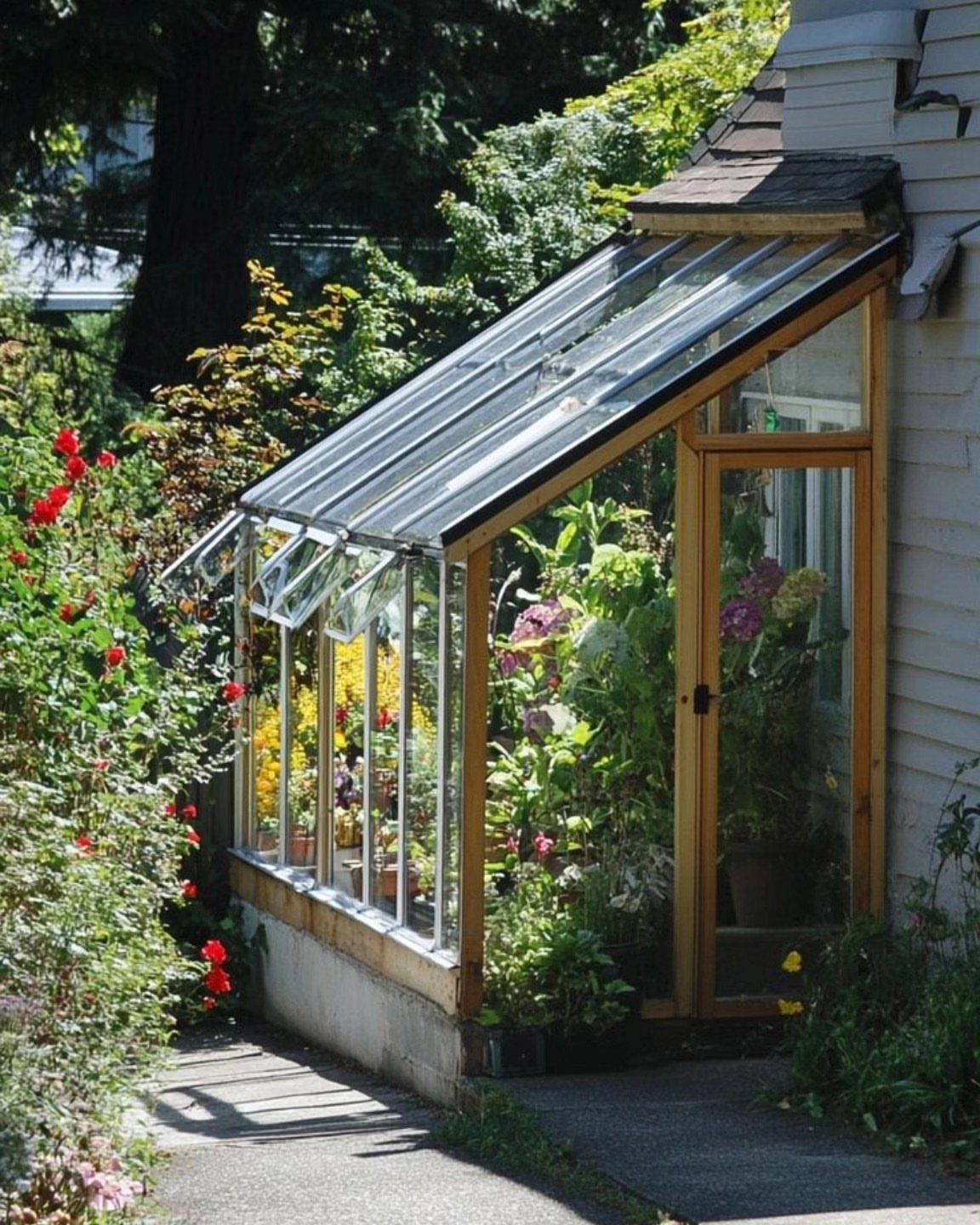
A glass lean-to borrows a wall from the house, so you build only 3 sides and a sloped roof. That shared wall holds some of the warmth, and it puts the greenhouse a few steps from the back door.
Fix a ledger board to the house wall first, then hang the roof rafters from it so the slope sheds water away from the siding.
I would pick the sunniest wall you have. Walk-in height matters here, so plan the low edge of the roof with your own head clearance in mind.
2. Garden Bed Greenhouse Cover
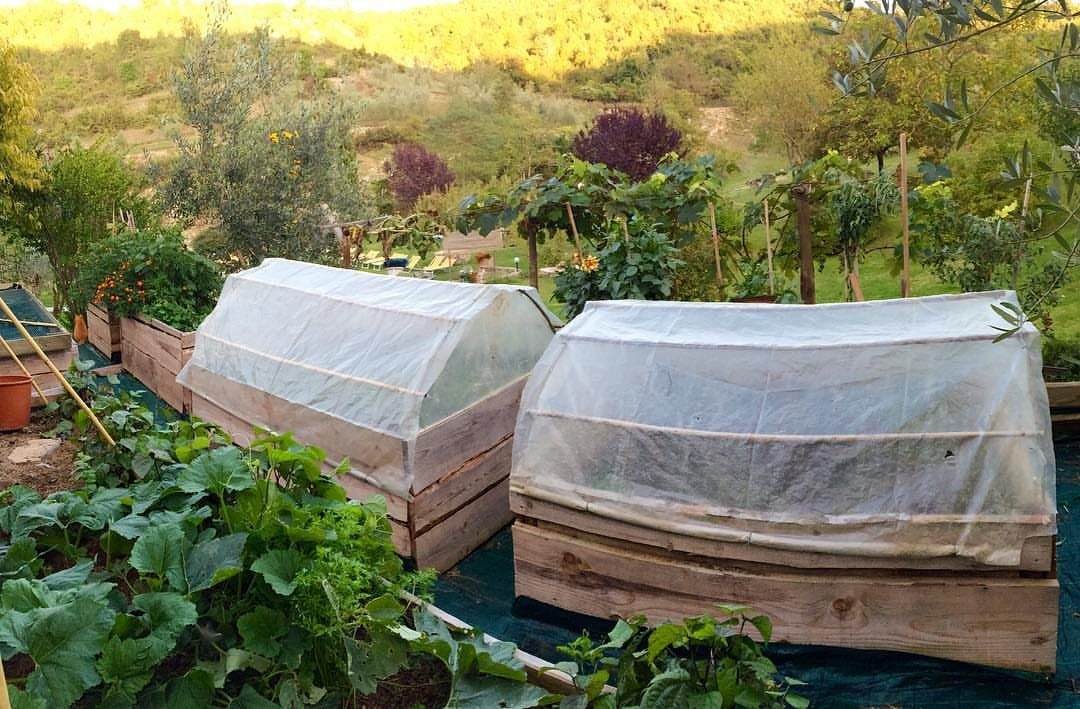
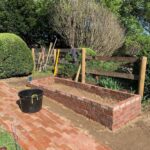
Raised beds already hold soil, so a removable cover turns one into a greenhouse for the cost of a frame and some plastic. Seedlings go straight into the ground they will grow in, with no pots to move.
Build the frame to match the bed’s footprint and keep it light enough to lift off with one hand. Translucent plastic keeps the sun coming in.
Take the cover off or prop it open on warm days, because a closed bed heats up fast. I like this for renters and small yards, since nothing is permanent.
3. Salvaged Window Greenhouse
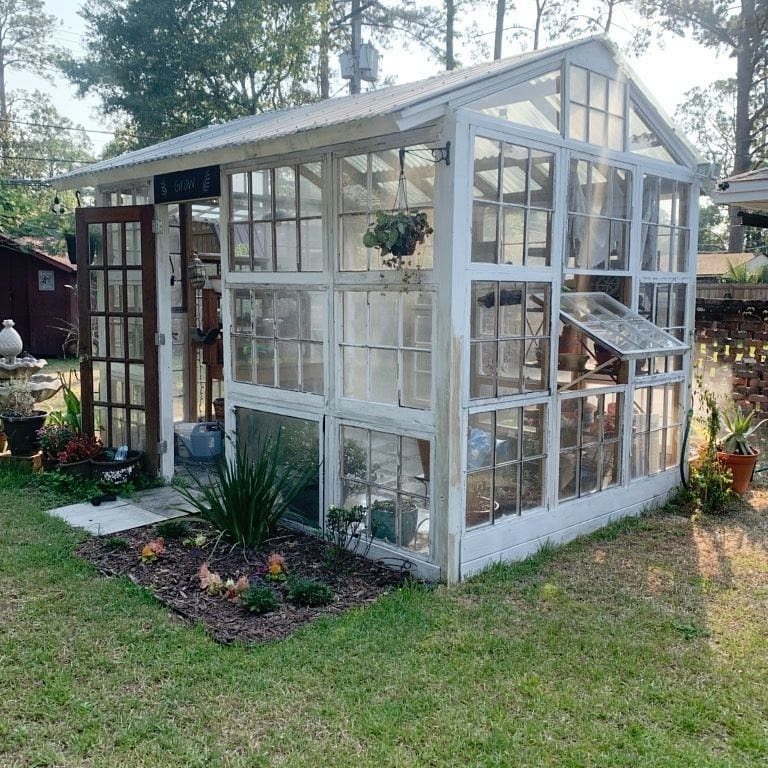
Old windows already come glazed and framed, which makes them the cheapest wall material you will find. Hunt for panes that match in size, because a uniform set makes the layout simple.
Build a wooden base frame, then fasten the windows to it edge to edge, with one set aside as the door. Paint the frames white like this one and the wood lasts longer, plus the finished shed looks deliberate.
A small sign above the door, like the "grow" one here, costs almost nothing and adds charm. Wear gloves, since old glass is fragile.
4. Wooden Greenhouse
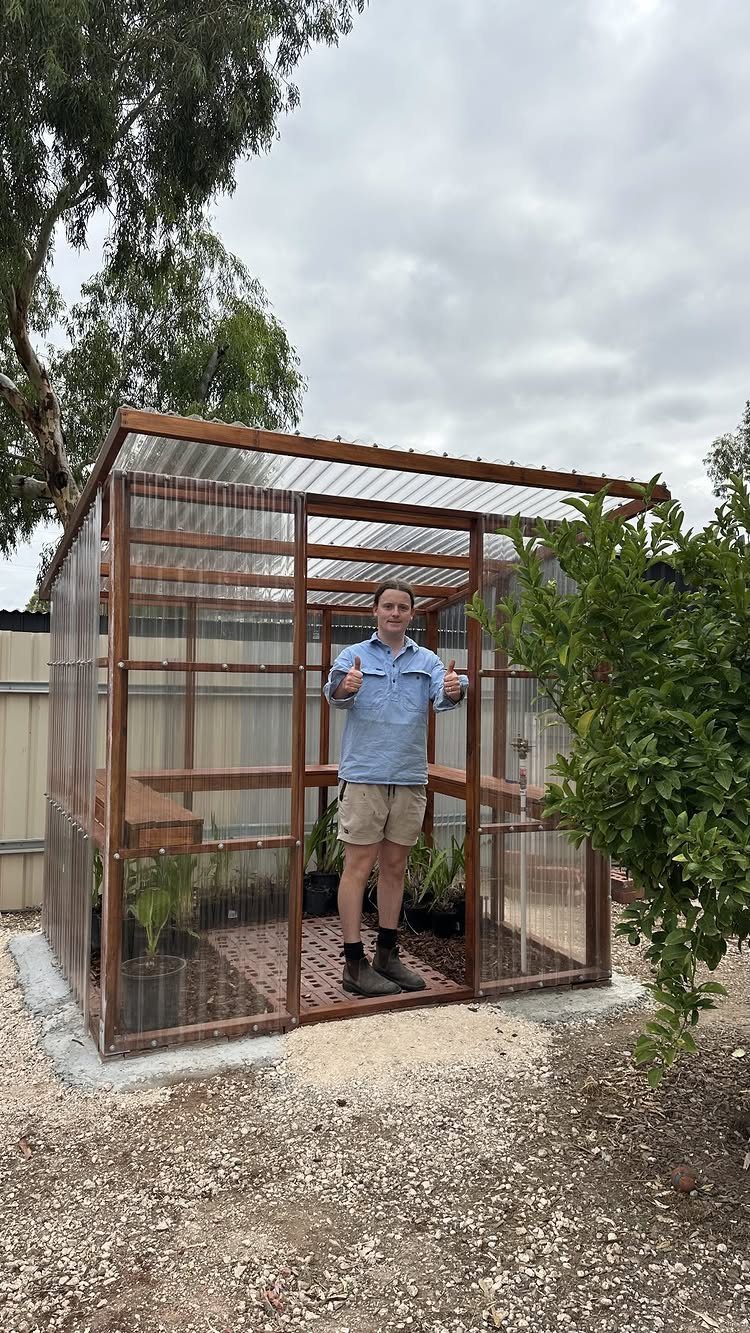
Wrap-around shelving is what makes a wood-framed walk-in worth building: every wall becomes bench space, and the floor stays clear. Polycarbonate panels over the frame let in light and are far safer to handle than glass.
A gravel base drains well and takes no special skill to lay: dig down about 4 inches, tamp the soil, and fill with crushed stone.
Size the shelves so you can reach the back row from the middle of the floor. A flat roof is simpler to frame than a gable, though I would tilt it slightly so rain runs off.
5. Small Gable Roof Greenhouse
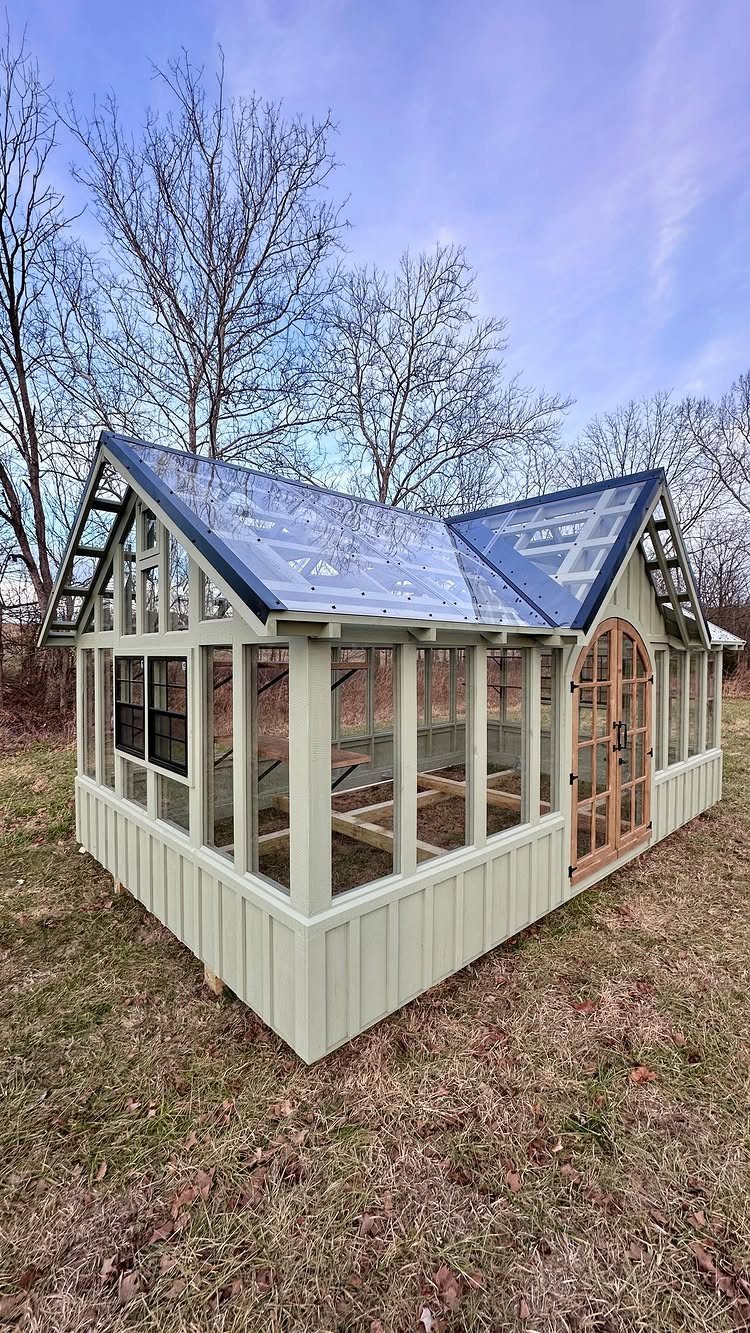
Gable roofs are the shape most people picture when they say "greenhouse," and the plan is forgiving for a first build. 2 roof slopes meet at a ridge, so rain and snow slide off both sides.
Keep the footprint small and you can frame the whole thing in a weekend or two.
Double doors, like the arched pair here, let you carry in trays and wheel out a cart without squeezing. Glass looks best but costs more and breaks; polycarbonate panels are the budget swap for the roof.
6. Barn Style Greenhouse
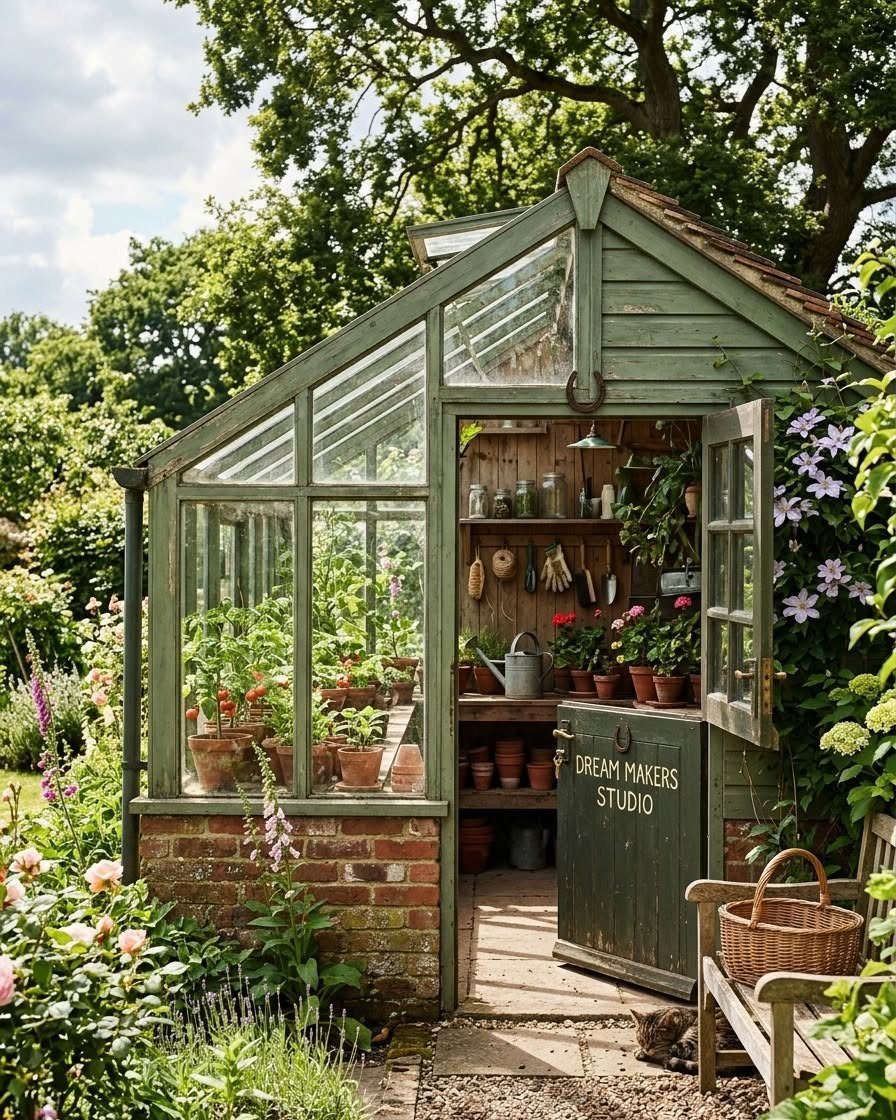
A barn-style roof has steeper sides than a basic gable, which gives you extra headroom along the walls for shelves and hanging pots. That added volume is the reason I would choose it over a plain pitched roof.
The brick base is worth copying: a solid foundation keeps the wood frame up off damp soil and makes the structure feel permanent.
Expect more cuts and more framing than a simple lean-to, so this suits someone with a few builds behind them. Glass walls give the best light, but they raise the cost.
7. Twinwall Polycarbonate Greenhouse
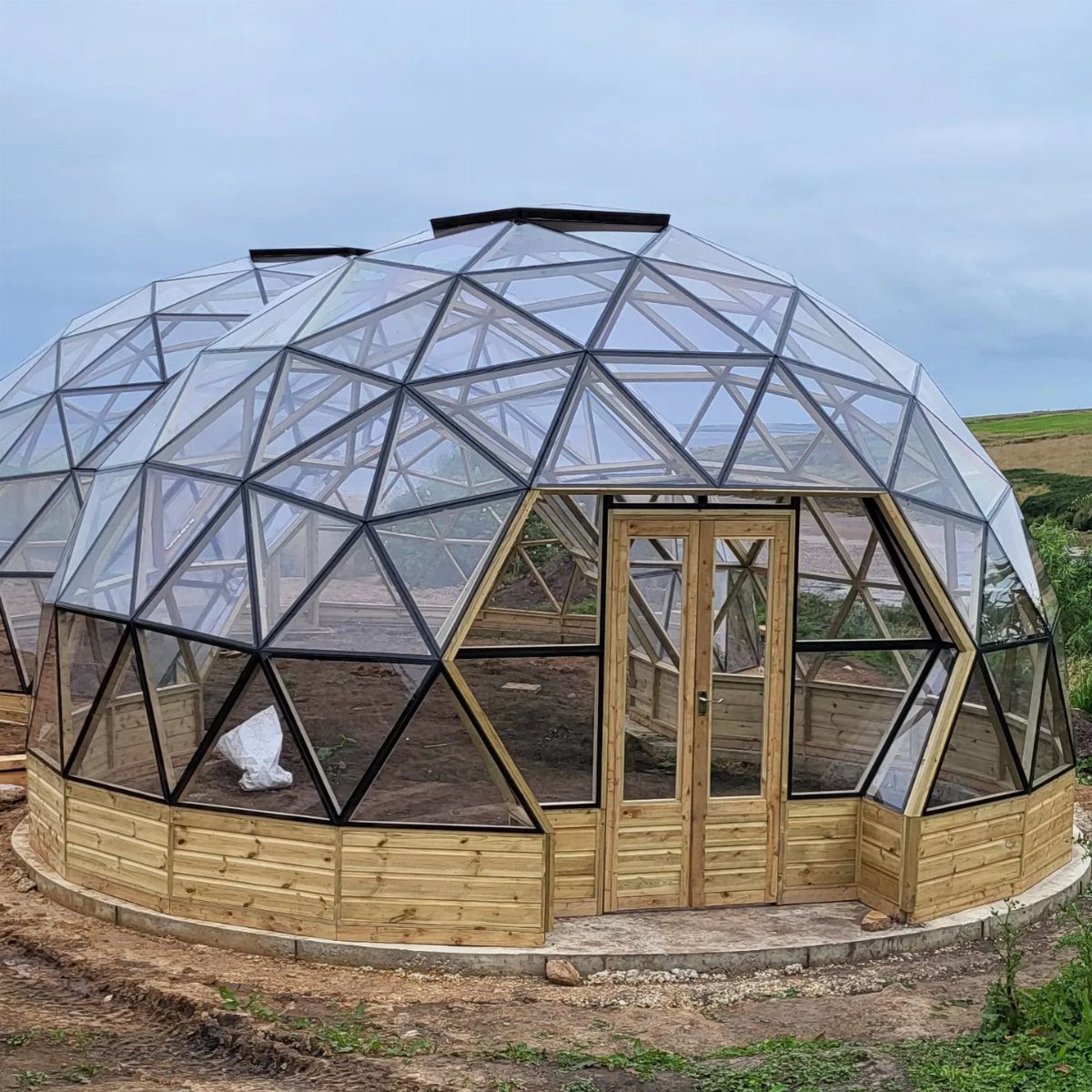
Twinwall polycarbonate panels are built from 2 layers with air channels between them, which is why they pair well with a dome frame like these.
Clear panels let light through, and the wooden base and door keep the structure tied to the ground.
Plan for a big build: a dome has many angled panels, so cut carefully and dry-fit each piece before you fasten anything. A dirt patch works, though I would level it first so the base sits flat.
8. Cottage Style Greenhouse
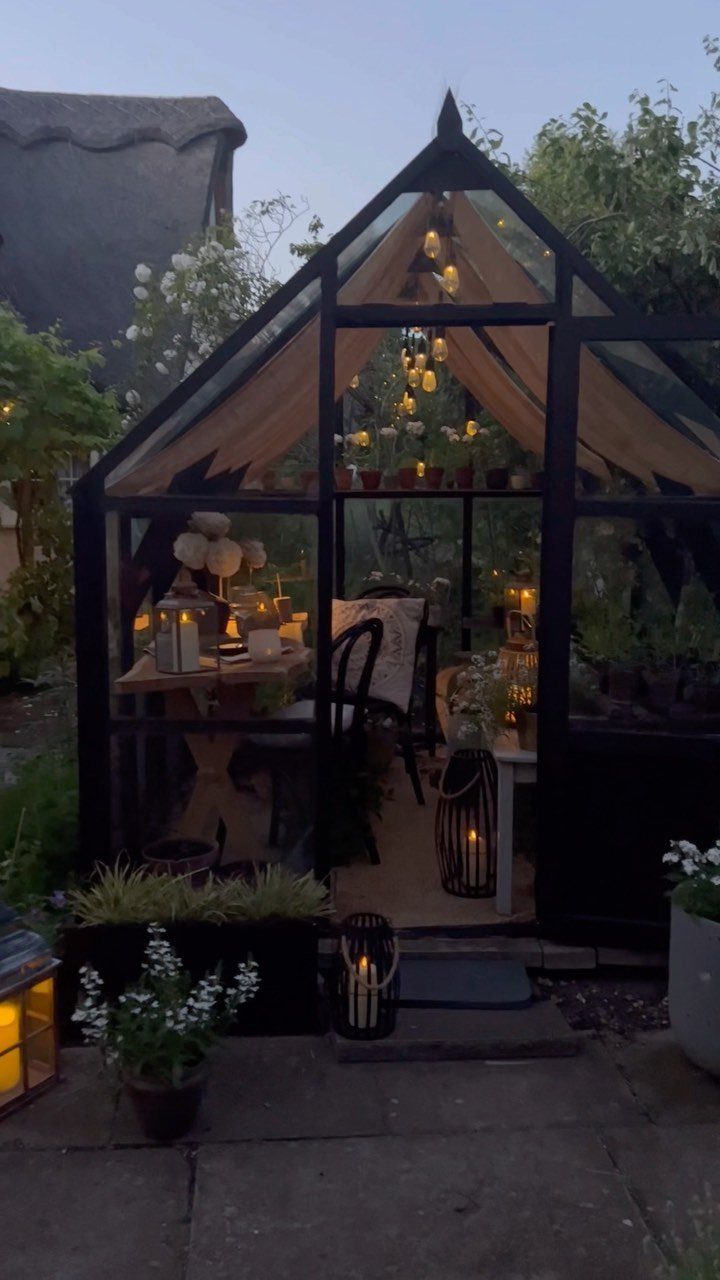
I would treat it as a focal point first and a growing space second.
Keep the footprint small so it sits well in a yard.
Leave enough floor for the furniture you want inside, and place the door where you can see it from the house. Glass costs more than panels, so budget for it early.
9. Tabletop Greenhouse
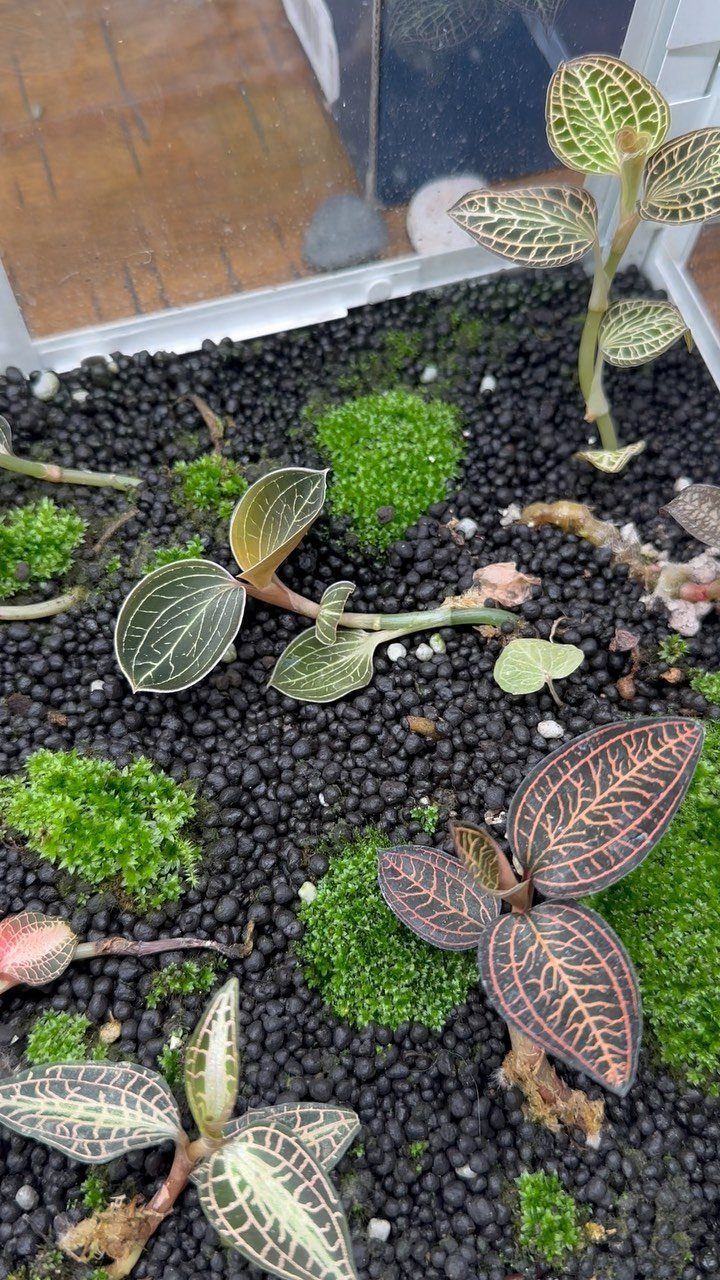
Small patterned plants and moss suit a tabletop greenhouse, since the enclosure keeps a little world together on a shelf or desk. A white frame stays bright and quiet, so the foliage does the work.
Choose plants that stay small, and fill the base with a few inches of dark soil so the moss has something to hold.
Set it where daylight reaches it. This is the easiest project in the list for renters, because it needs no yard and takes an afternoon at most.
10. PVC Hoop Greenhouse
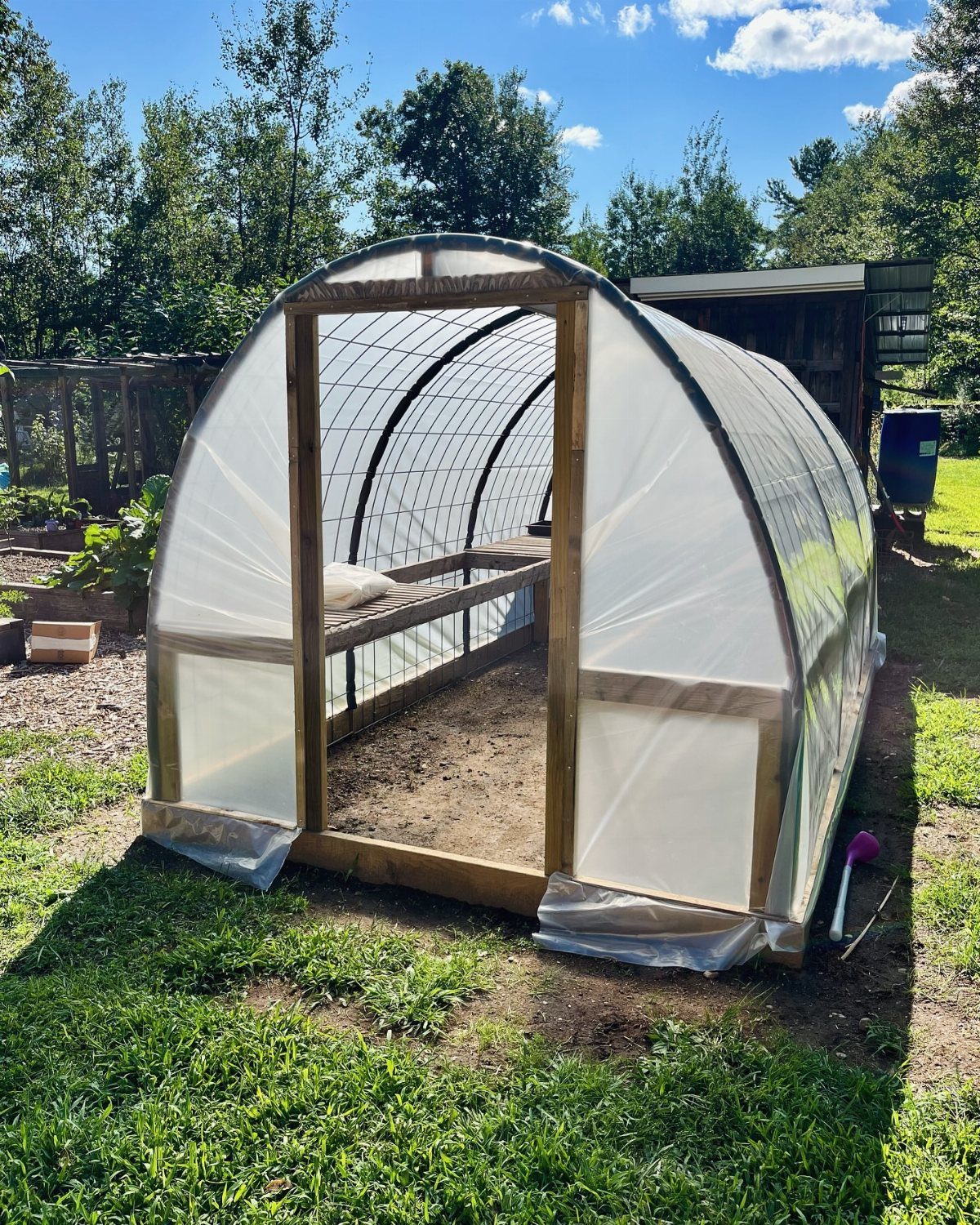
PVC pipe bent into hoops and covered with plastic sheeting is the cheapest walk-in style here. PVC pipe is light, so one person can bend, carry and set up the frame alone.
I like the wooden frame at the entrance, which gives the plastic a firm edge to attach to and makes a real doorway. Secure the sheeting tightly so wind cannot lift it.
Plastic wears out sooner than glass or panels, so expect to replace it eventually. For a first greenhouse on a small budget, this is where I would start.
11. Black Metal Glass Greenhouse
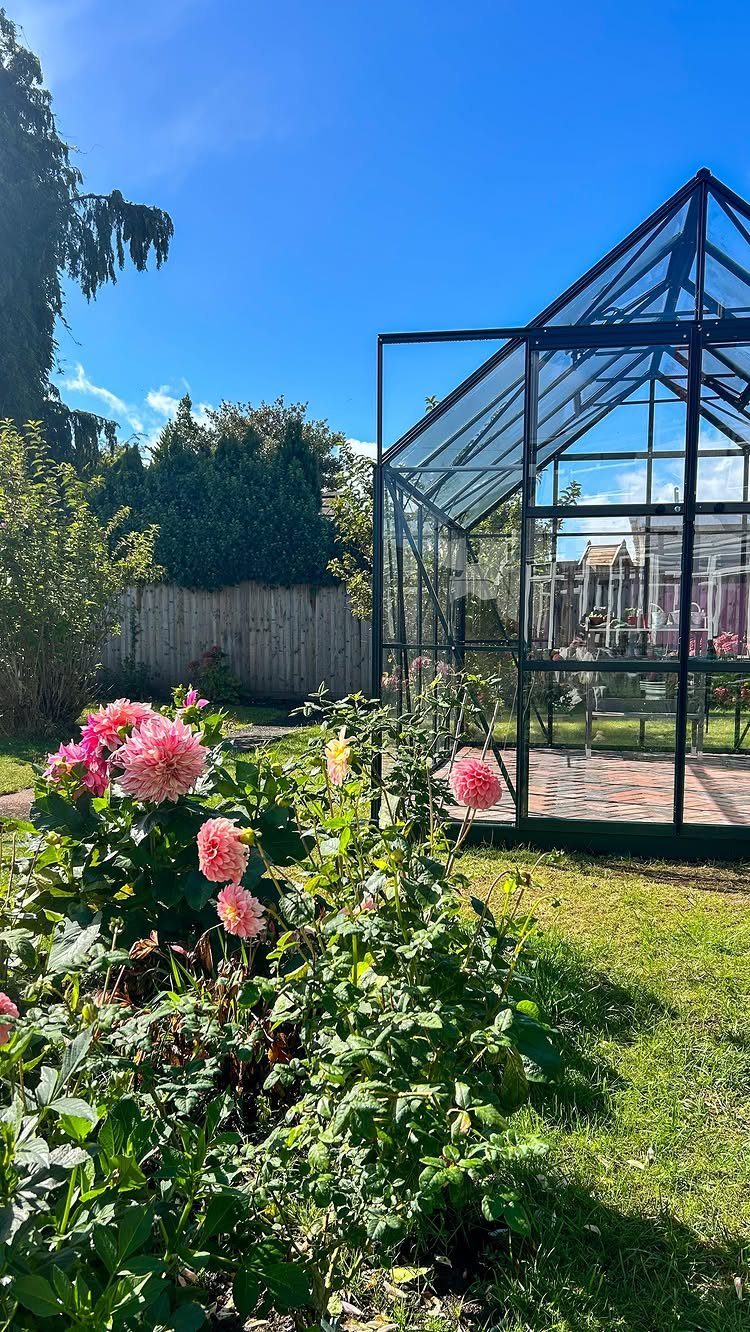
Black metal and glass give a freestanding greenhouse a crisp look, and it works as part of the garden. Set among flowers like these dahlias, it reads as a feature, not a shed.
Pick a flat, open spot with plenty of sun, and put it where you can enjoy it from the yard.
Glass and metal cost more than plastic or wood, so this suits a larger budget. The thin frame keeps views clear, which is the reason I would choose it.
12. Recycled Plastic Bottle Greenhouse
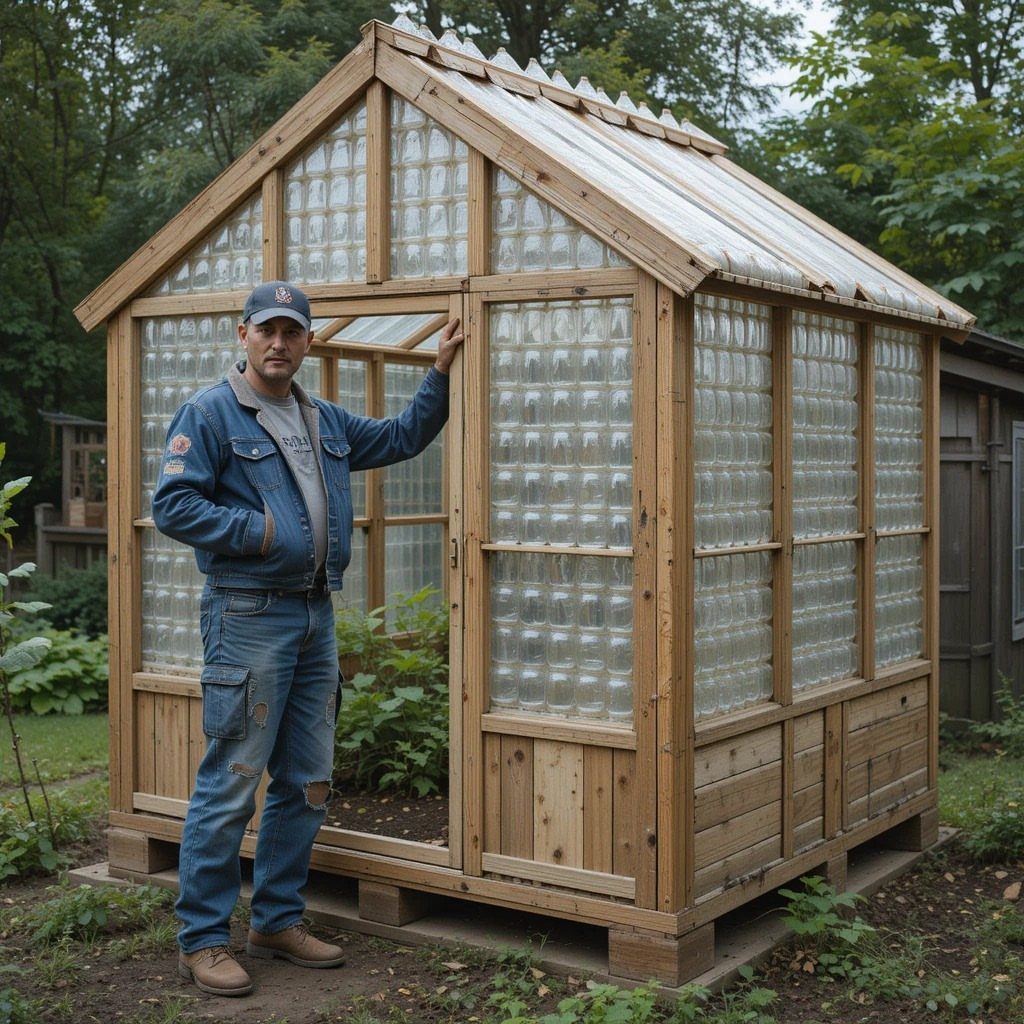
Clear plastic bottles, stacked and held in a light wooden framework, can make every wall of a small greenhouse. The material is free if you collect bottles, so the real cost is time spent gathering and fitting them.
Use bottles of one size so the rows stack evenly.
Clean them first, and build the wood frame to hold the stacks upright. I would choose this when budget matters more than speed, since it takes a lot of bottles and patience.
13. Wooden Cold Frame Box
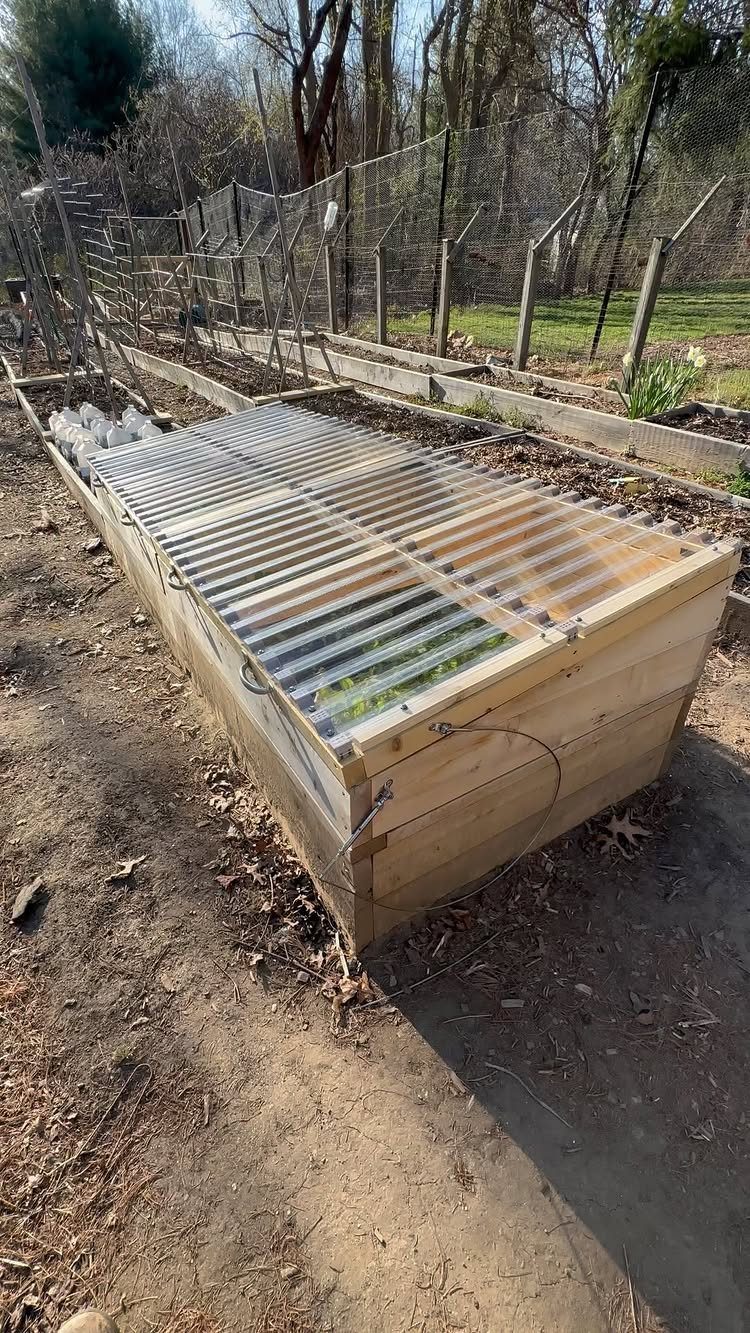
A cold frame is the smallest greenhouse you can build: a low wooden box with a hinged clear lid that sits right on the ground over young plants.
Corrugated clear plastic, as on this one, is light enough to lift with one hand and lets sun through.
Build the box to a size you can reach across from one side.
Hinge the lid at the back so it props open on warm days, because a shut frame in full sun heats up quickly. Set it against a fence in a sunny spot.
For a first season of hardy seedlings, I would start here before building anything larger.
Choosing and Siting a Greenhouse
Before picking, look at what is already on it: windows and doors change where light enters and where you can walk through.
A house, shed or garage also blocks wind and gives off some stored heat to the plants.
Think about access too. You will carry water, soil and trays in and out, so a path from the back door matters more than it sounds.
Build airflow in from the start, because a sunny wall can overheat a compact greenhouse fast.
Call the local building department first, ahead of any lumber purchase. Permit rules for attached structures vary, and it is cheaper to ask first than to move a finished wall.
If you have reclaimed windows, let them guide the design. A forgiving shape that suits the windows you already own saves cutting and cost.
Ventilation, Heating, and Weather
Hot air is the bigger daily risk, so plan for an opening high up. Peak windows, hinged windows, roof vents and even a folding roof all work; pick whichever your frame can hold without extra engineering.
For cold nights, a small electric heater with a thermostat is the simplest option. One builder set theirs to switch on at 40 degrees, which protects tender plants without running all night.
Snow needs a plan too.
In heavy-snow areas, take the plastic off a PVC greenhouse before winter, since the weight can crush the frame. A steep plastic roof can shed snow on its own, so a sharper pitch is worth the extra framing.
Build Costs and Material Sourcing
Building from scratch can cost well under a comparable kit, though it depends on lumber prices and what you can reclaim.
One builder paid about one-third of a similar kit’s price; their materials still ran around $1,600 for a large build with a Dutch door.
Small projects cost far less. With reclaimed materials, one estimate is under $100, while all-new materials run $150–$250.
Price lumber at your local store before you commit, because it swings. Check free listings and salvage yards for windows, doors and boards first.
A kit still makes sense if you want no design work. Building wins when you want a specific size or door.
Frequently Asked Questions
Why build a greenhouse?
Extra weeks at both ends of the season are the real gain: tomato and pepper seedlings can start in early spring, and lettuce or kale keeps coming well after the first fall frost.
It also shelters young plants from wind and cold.
How much does it cost to build a greenhouse for under $100?
Under $100 works if most of the build comes from salvage, like old windows, leftover lumber and screws or hinges already in your garage.
One estimate for a small build puts that route under $100. Bought new, a small build usually lands between $150 and $250, and the swing comes from what lumber and glazing cost in your area.
How much sunlight does a greenhouse need?
Put it in the sunniest spot you have, since a flat, open site with plenty of sun works best.
For a lean-to, pick your sunniest wall. Watch for overheating, though: a sunny wall can cook a compact greenhouse fast, so build in a high vent or opening from the start.
Do I need a permit to build a greenhouse?
Possibly, especially for a structure attached to your house.
Rules vary by location, so call your local building department before buying lumber. Asking first costs less than moving a finished wall.