Sunlight decides which of these ideas is yours: fruiting crops like tomatoes, peppers and cucumbers need 6–8 hours of direct sun, while herbs, leafy greens and chard manage on 3–4 hours.
Spend one full day watching where the light falls on your balcony, patio or windowsill, then pick a setup that fits that light and the square footage you actually have.
The ideas run from a bucket of potatoes in a fabric bag to a tall hydroponic tower, and from an indoor basil kit to a bamboo-framed raised bed.
1. Trellises for Climbing Vegetables
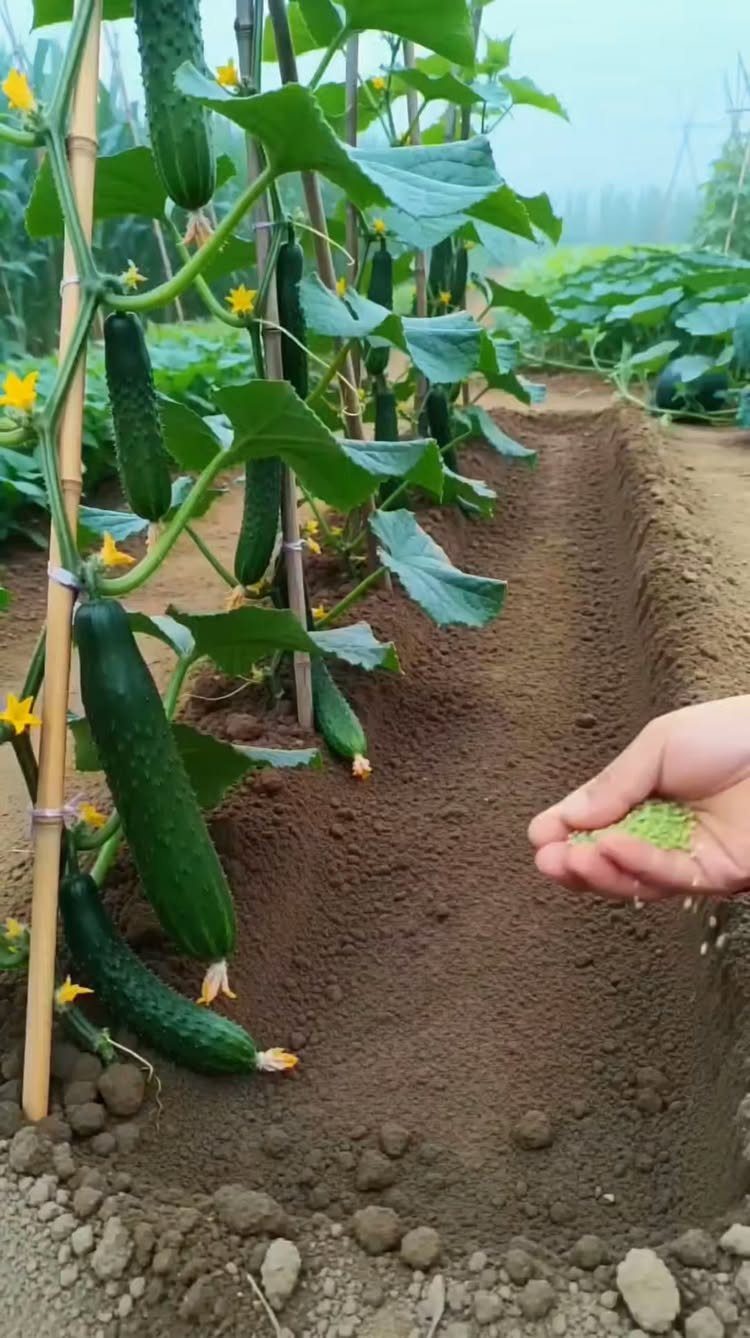
Cucumbers are the easiest crop to send upward, and bamboo poles are a cheap way to do it.
Lashing them into a tall A-frame or a row of straight stakes gives the vines something to grab, so the plants use height instead of ground.
In a small plot that matters. Vines on a trellis leave the soil below free, so you can sow seeds there or plant a shade-tolerant crop like lettuce or spinach.
Set the trellis along the north edge of the bed, so its shadow falls away from the planting area and the sun-loving crops beside it keep their light.
Espaliers and fans are often grown along walls and fences, whereas stepovers are ideal to edge vegetable beds. Cordon apples take up the least area horizontally and maximise the number of varieties that can be grown in a small space.
2. Use Containers
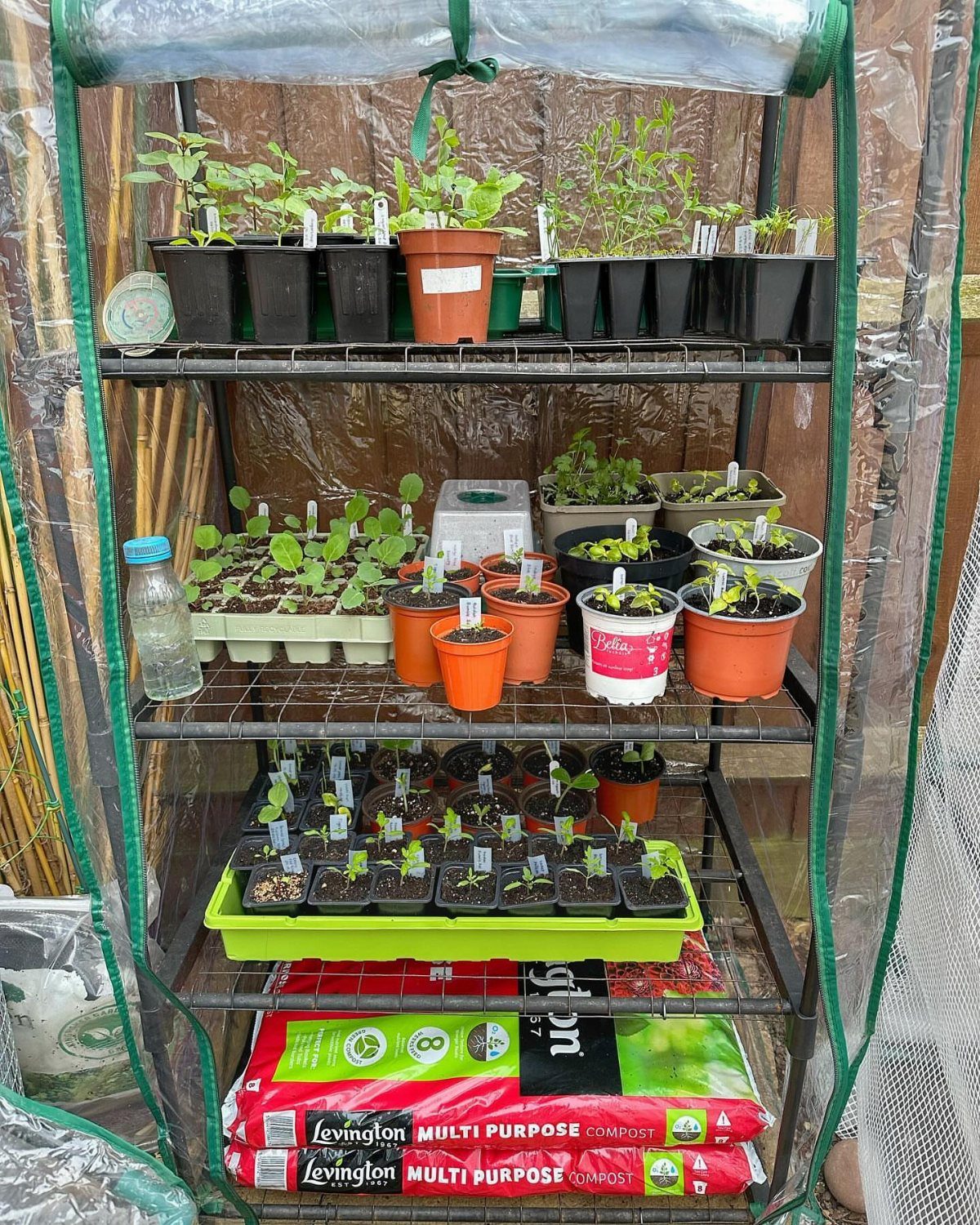
Pots solve the problem of having no good ground. A balcony, a concrete patio or a rented yard with bad soil can all hold vegetables if the containers do.
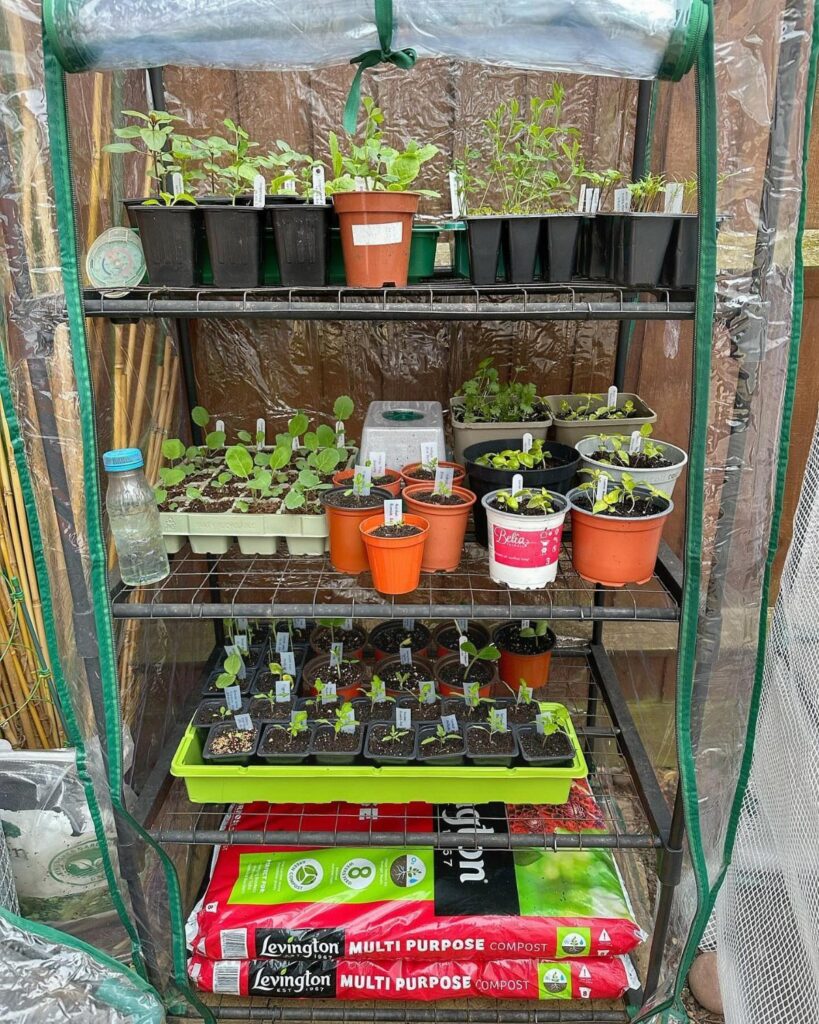
A simple shelf works well for starting seedlings in small plastic pots, and the plants can move to bigger containers once the roots fill them. Fill them with a multipurpose compost, and make sure every pot has drainage holes.
I prefer a few large pots over many small ones, since big containers are easier to keep watered. Cost stays low if you reuse pots you already own.
3. Use a Raised Bed
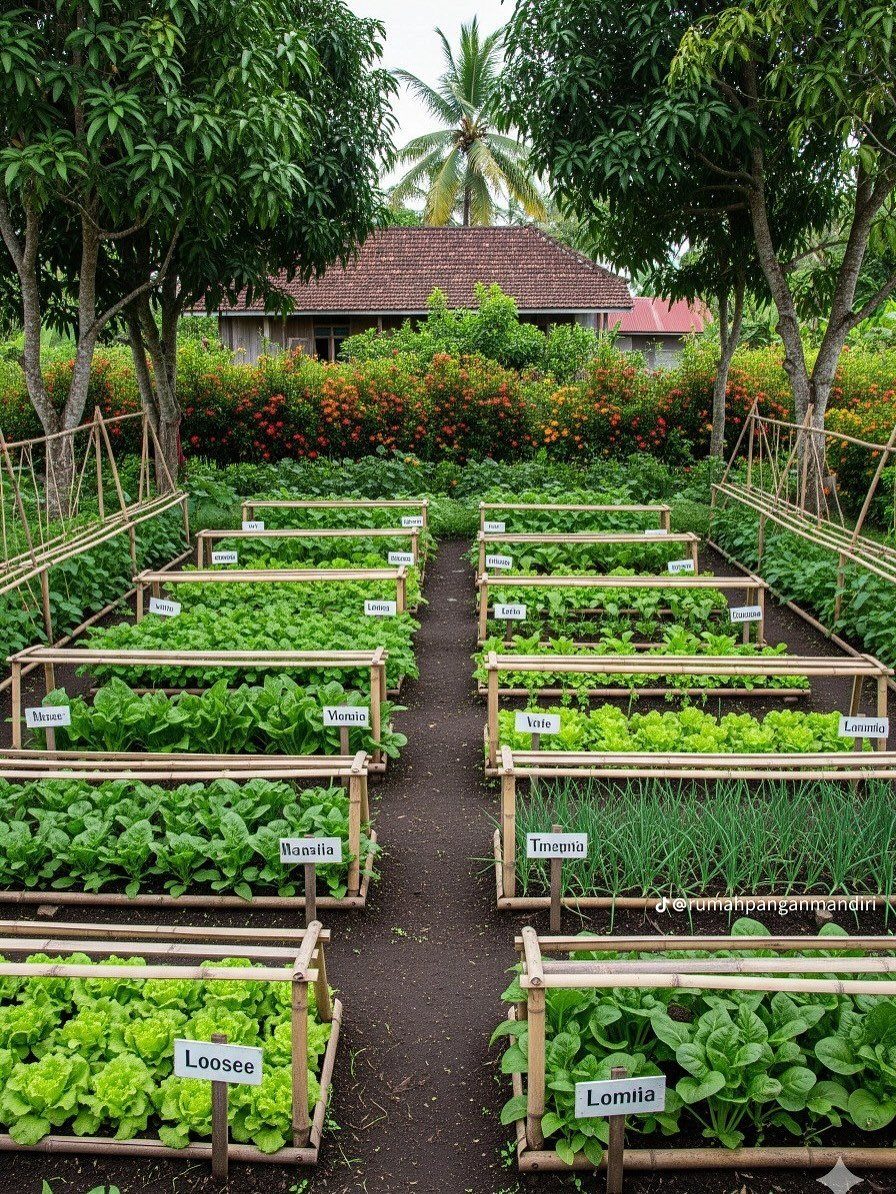
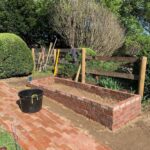
A raised bed gives an awkward corner a clear edge and a purpose.
A bamboo-framed bed sits right on top of the existing ground, so poor soil underneath stops being your problem as long as you fill the frame with good mix.
Several narrow beds beat one wide one for a small yard. You can reach the middle from either side without stepping in, and the paths stay clear.
If you grow a mix of greens, label each bed, because young lettuce, spinach and arugula look a lot alike. It saves guessing once the leaves look alike.
4. Beets in a Small Bed
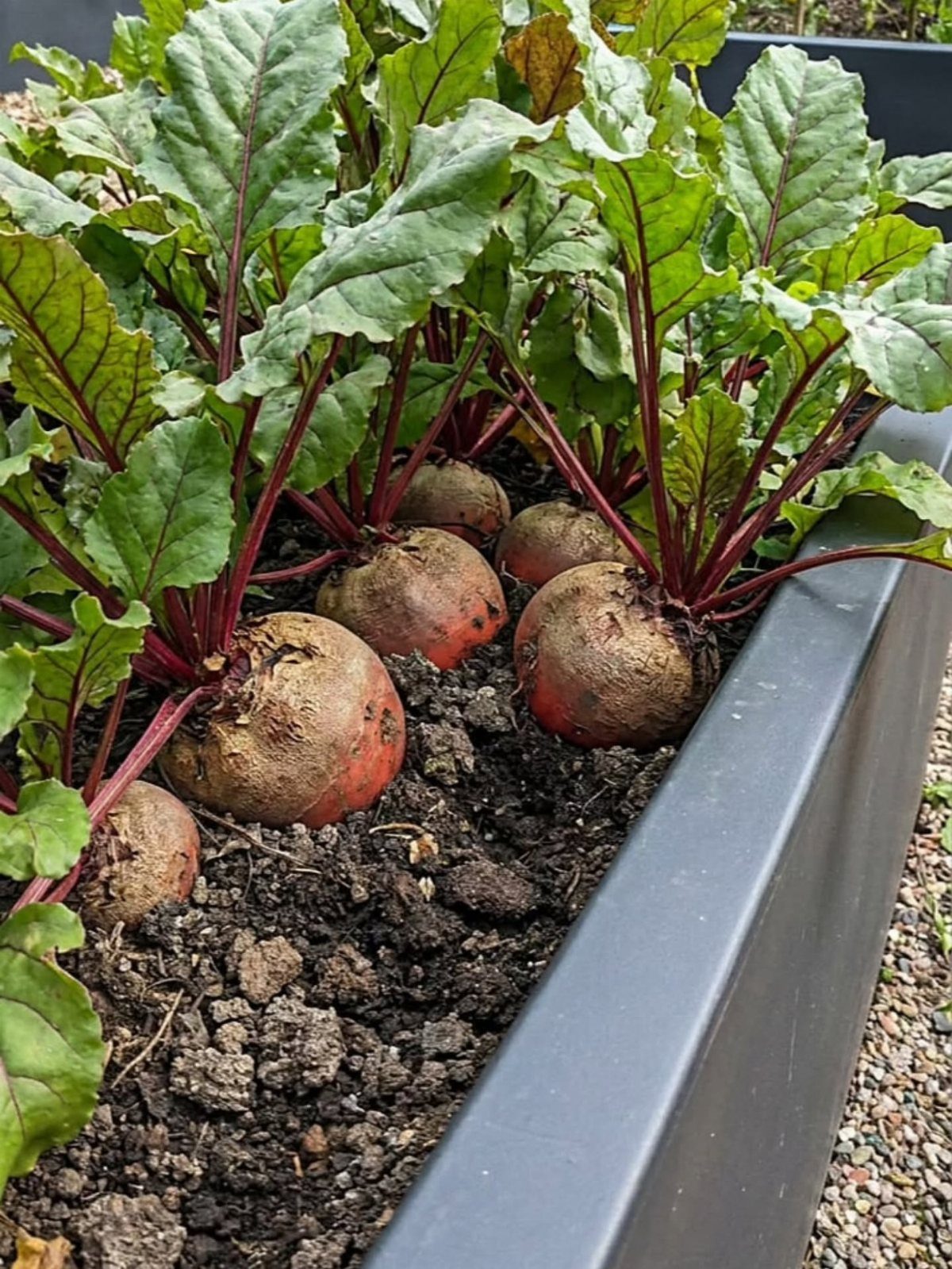
Beets forgive crowding better than most vegetables, which makes them a strong pick for a small bed. Each plant makes one round root under a tuft of leaves, so a tight patch gives a lot of food for little ground.
A metal raised bed works well, though dark metal can heat the soil in summer, so water steadily. Loose, stone-free soil lets the roots swell evenly.
Eat the greens too. A beet gives you 2 crops, and the leaves cook like chard.
5. Indoor Herb Garden Kit
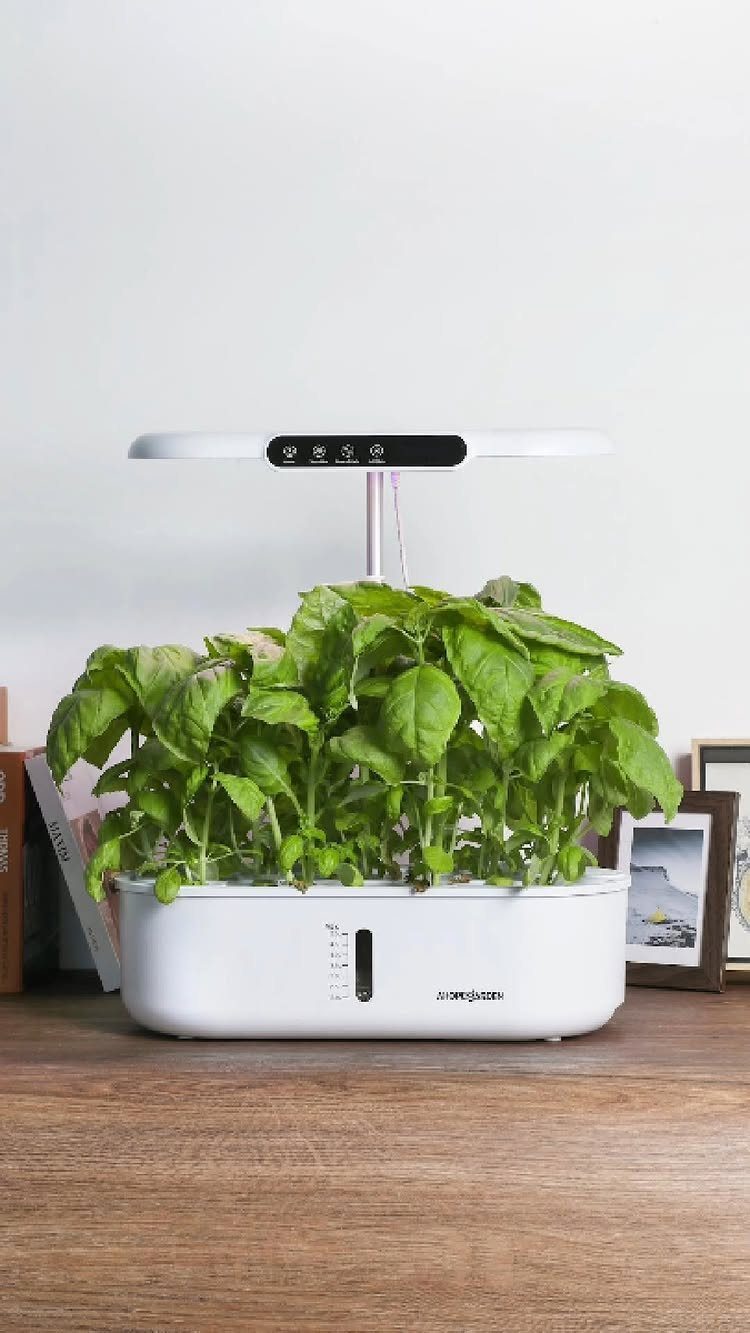
Basil on a kitchen table, lit by a small LED lamp overhead: that is the whole appeal of an indoor herb kit. It suits renters with no outdoor space at all, and it works in any season.
The maker of this kit describes it as 30 days of basil growth in just a few seconds, which is a time-lapse claim, so expect real growth to take weeks.
Pick a kit with a built-in light if your windows are dim. Herbs are the sensible start, since you can snip leaves as you cook.
6. Square-foot Garden Bed
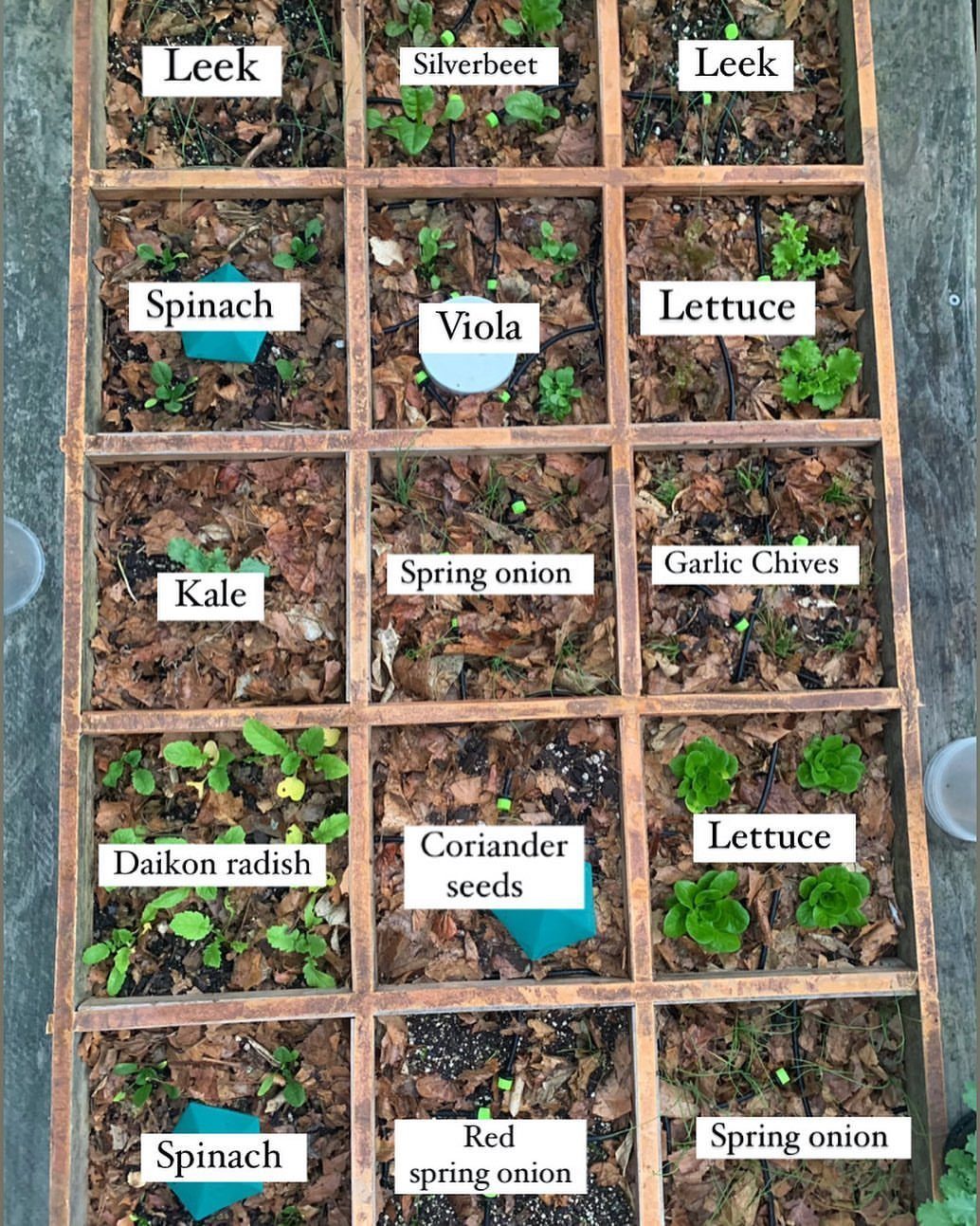
Square-foot gardening turns a bed into a grid, and each square holds a set number of one crop. A wooden bed divided into a grid of separate sections lets you give leek, spinach and lettuce each its own square.
Plant by size: bigger crops get a whole square to themselves, and smaller ones share it with more plants. Label every square so you remember what went where, especially once the plants fill in and the rows blur together.
I like it for beginners. The grid does the spacing math for you, and it keeps a small bed from turning into a jungle.
7. Grow Bush Cucumbers
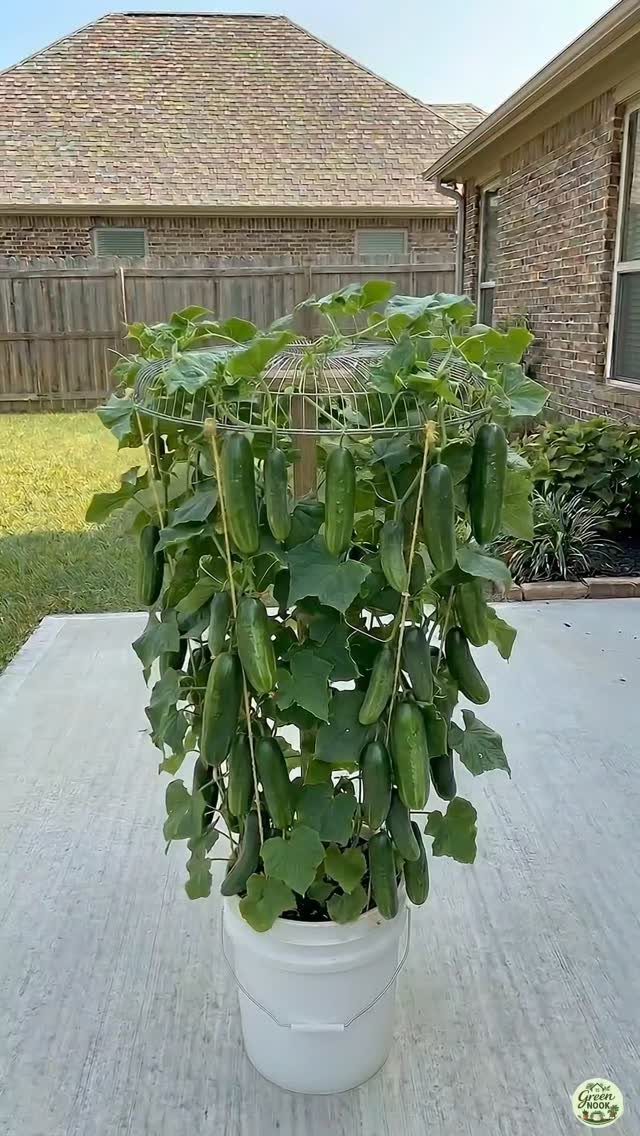
A semi-bush cucumber takes far less room than a sprawling vine, and a single white bucket is enough ground for one.
A wire cage set into the bucket gives the stems something to climb, so the fruit hangs in the air instead of piling across the patio.
Pick a variety labeled bush or semi-bush on the seed packet. Make sure the bucket has drainage holes, and water often, because a bucket dries out faster than a bed.
I would choose this over a full vine for any patio.
8. Mini Bell Peppers in Containers
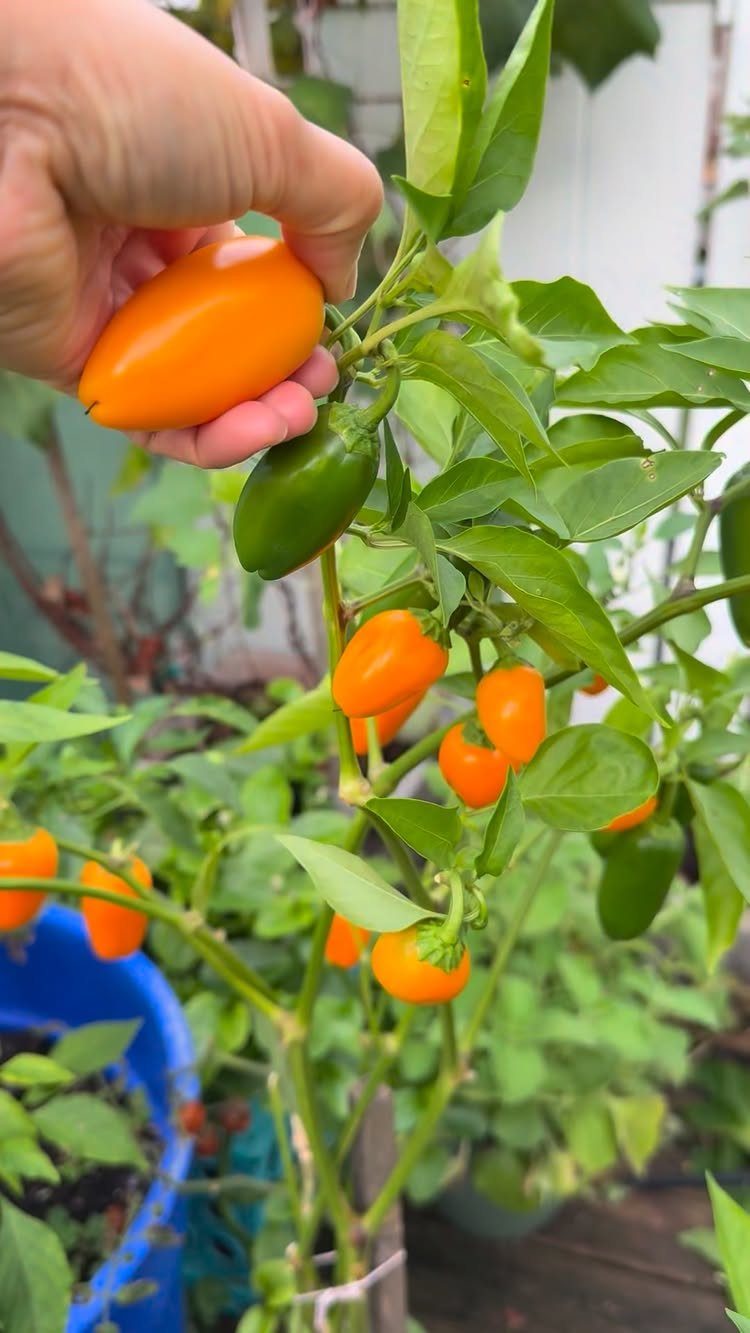
Peppers suit pots better than most fruiting crops, as long as the variety is a compact one. Mini bell types stay small, and one blue container can hold a plant that ripens from green to orange.
Choose a variety sold for pots or small beds, and check the tag for mini fruit. Use a container with drainage holes and fill it with good potting mix.
Pick peppers green if you want them sooner. Leaving them to turn orange takes longer but gives a sweeter bite.
9. Wall-mounted Vertical Garden Pockets
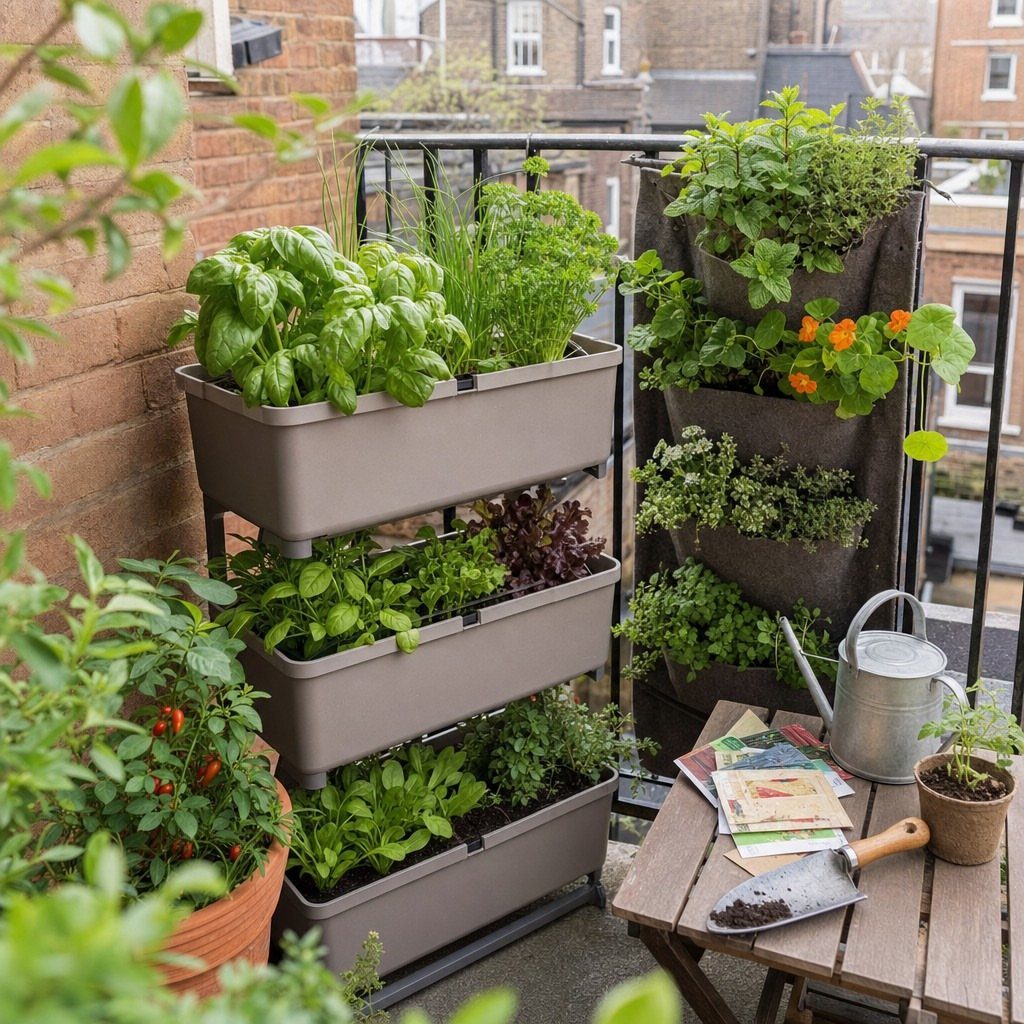
A bare wall or fence counts as planting space, and fabric pockets turn it into rows of small beds. Herbs fit these pockets well, and a balcony with no spare floor can still grow a full kitchen supply.
Mount the pockets where they get the most sun, and keep a watering can close by. Pockets hold little soil, so they dry out quickly.
Pair the pockets with floor planters so tall or hungry crops like tomatoes and peppers get deeper soil, while the wall carries shallow-rooted herbs such as basil, thyme and chives.
10. Use Ladder Shelves
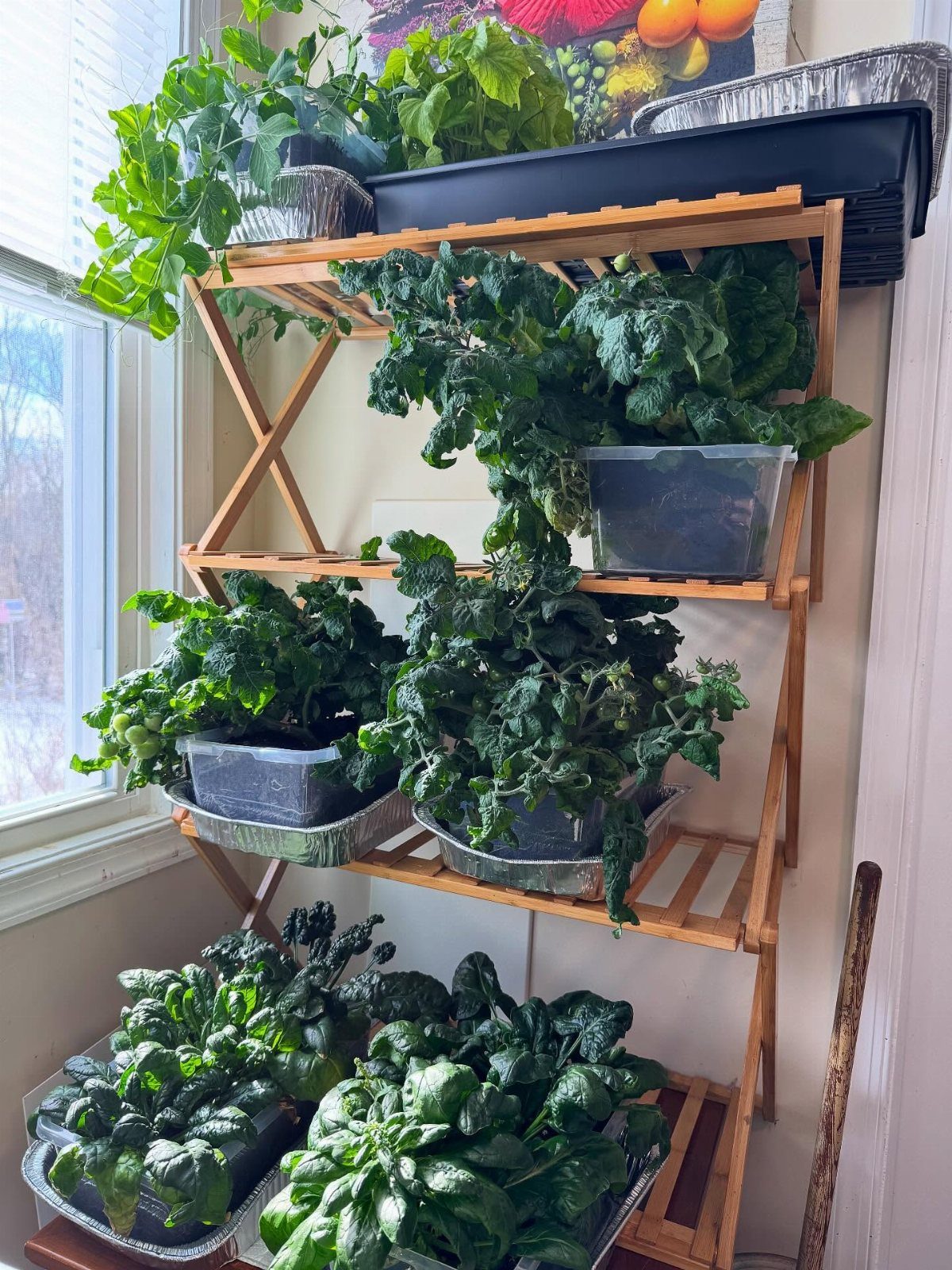
A ladder shelf gives you steps for pots, so each level holds a different plant and the whole stack takes up the floor space of one. Leafy greens do well this way, since their pots are shallow and light.
Set it beside a bright window and turn the pots now and then so the plants grow evenly. Put a tray under each pot to catch drips on a wooden shelf.
Reused containers keep the cost down, but poke drainage holes in each one first.
11. Use a Pyramid Planter
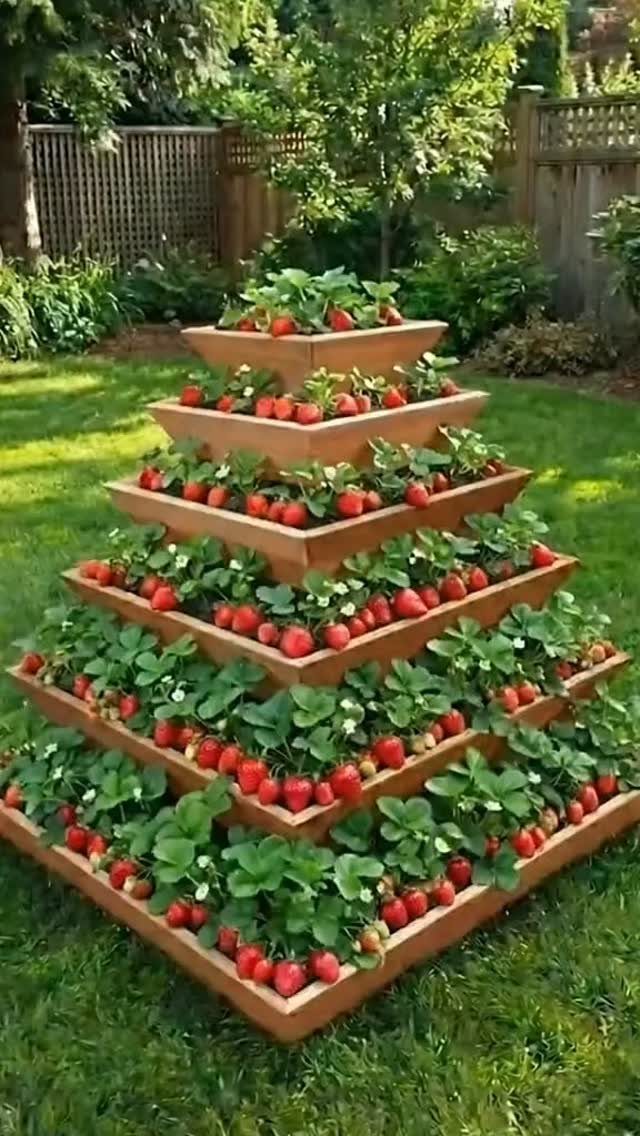
A pyramid planter stacks its levels so a small corner holds several rows of plants, each tier stepping back from the one below. Strawberries fill it well, and the lower steps give the fruit room to hang over the edge.
Because the shape is angular, it fits a nook or fence line better than a round pot. Fill every tier with the same potting mix and water from the top so the water works downward.
I prefer wood here, since it looks right on a lawn.
12. Vertical Hydroponic Garden Towers
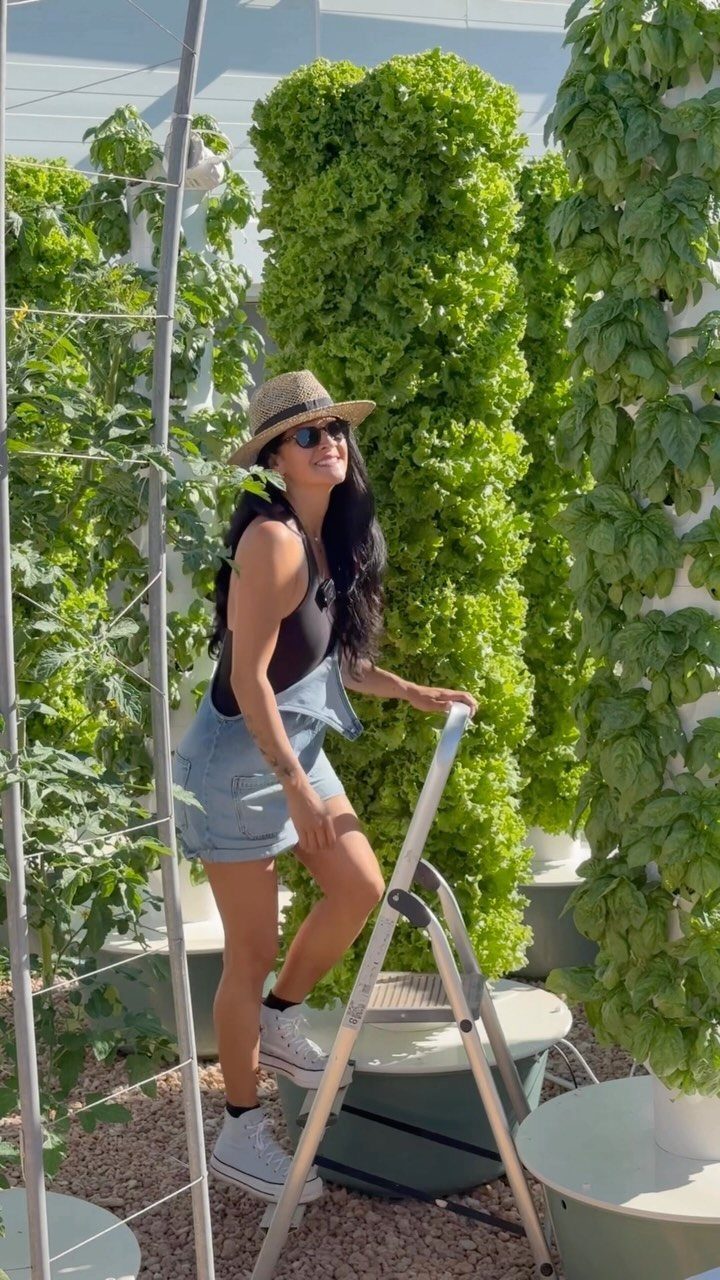
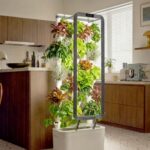
Tall white hydroponic towers grow lettuce and basil in a column, so a patch of gravel can carry dozens of plants without any soil. Greens and herbs are the sensible choice, since they stay light and fill the openings quickly.
Plan for a ladder or step stool, because the top ports are out of easy reach. Towers cost more than pots up front, and they need a steady setup of water and power.
I would start with one tower, not several.
13. Fabric Grow Bags
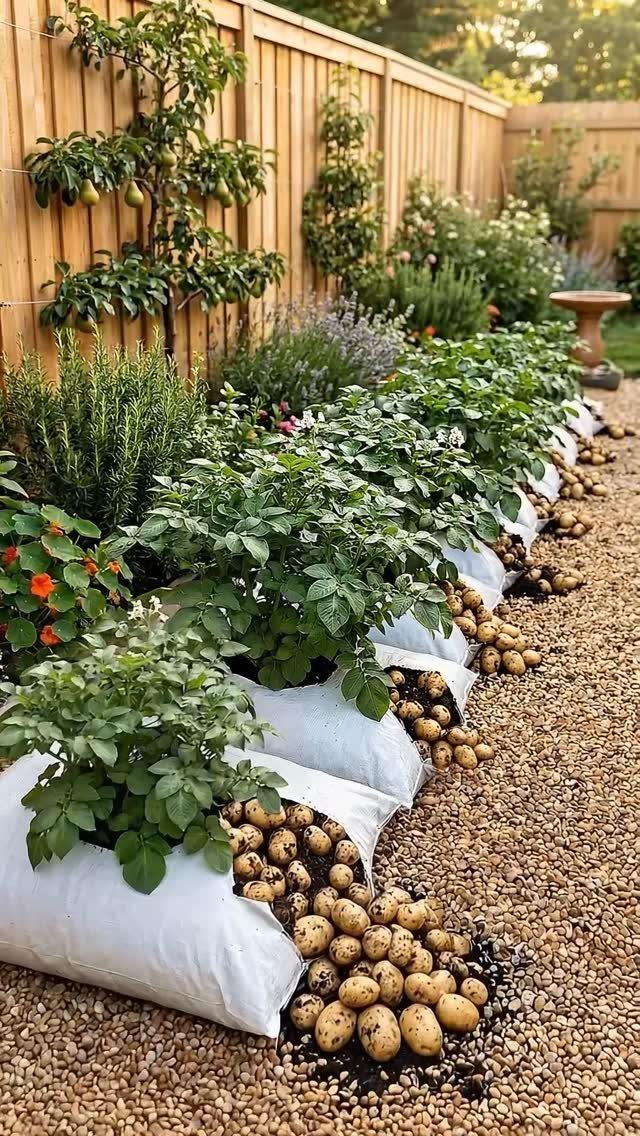
Potatoes grow well in fabric bags, and a row of them fits on a gravel path where no bed could go. The cloth lets the soil breathe, and a bag can sit anywhere the ground is too hard to dig.
Fill each bag with loose potting mix and keep it watered, since fabric dries faster than plastic. Tipping a bag out at harvest is easier than digging a bed, and you can see every potato.
Bags fold flat for storage, which suits renters.
14. Hanging Bucket Planter
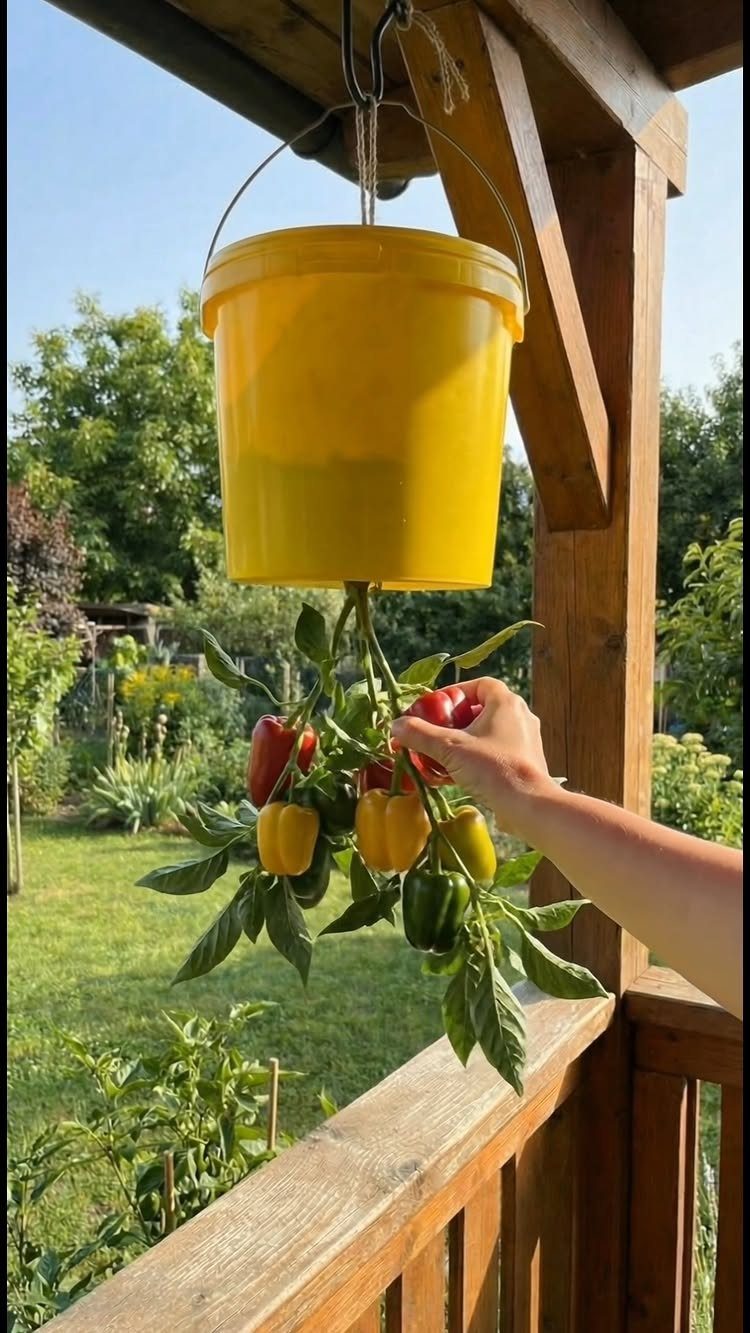
A plastic bucket on a hook turns porch rafters into planting space, and a pepper plant is a good fit because its fruit hangs naturally. A yellow bucket like this one adds color before the peppers even ripen.
Drill drainage holes in the bottom, then fill it with good potting mix. Hang it where it gets the most sun, and check the hook and the beam, since a wet bucket is heavy.
A bucket hanging in open air loses moisture from every side, so expect to water it daily once summer heat arrives. I would pick a compact pepper variety, so the plant doesn’t outgrow the bucket.
15. Stacked Crate Garden Tower
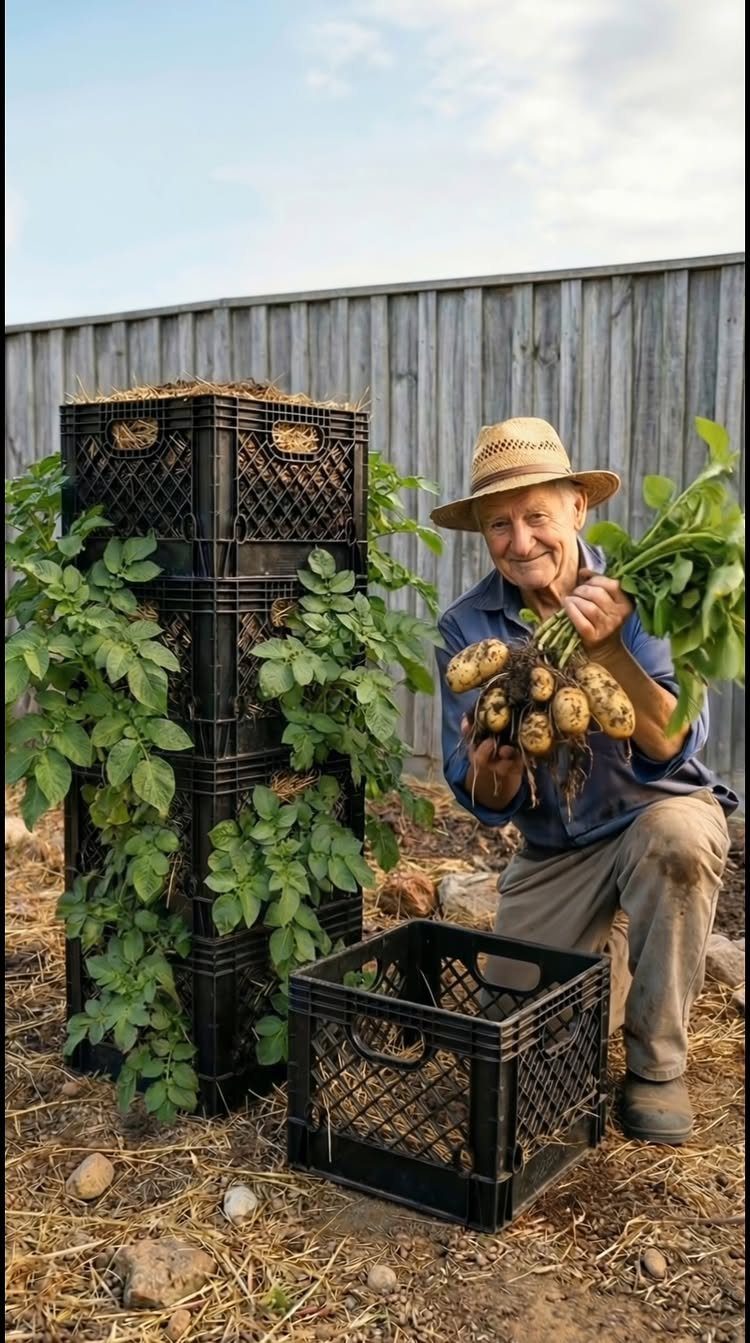
Stacked plastic crates make a potato tower for almost no money. Each crate adds another layer of room, so a single square of ground holds a column of plants.
Line the crates if the slats are wide, so the soil stays in, and add a crate as the plants grow. Harvest by lifting the top crate off and sorting through the soil, which beats digging with a fork.
Set the tower against a fence for support. A tower of crates this tall can tip, so keep it level and steady.
16. Regrowing Vegetable Scraps Indoors
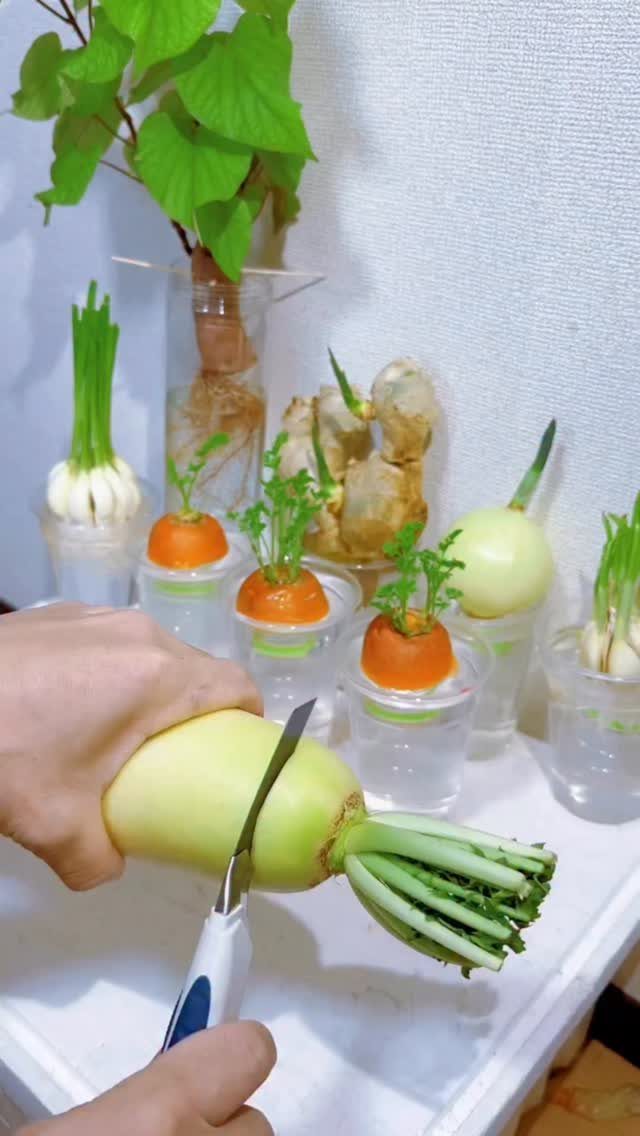
Carrot tops and onion bottoms will sprout roots and greens in a cup of water, so kitchen scraps become a second harvest. Clear cups let you see the roots and tell when the water has gone cloudy.
Change the water every day or two, and keep the cups on a tray by a bright window. A tray also catches spills and keeps the whole setup compact enough for a small counter.
Regrown greens suit garnish and soups. Don’t expect a full vegetable, since scraps give leaves, not new roots to eat.
Sunlight and Crop Choice
6 hours of direct sun is the baseline for most vegetables, so spend a day watching your spot before buying anything.
Jot down when the light arrives and when shade takes over, and check for shadows from trees, fences and nearby buildings.
Match the crop to what you find. Fruiting crops like tomatoes, peppers, eggplant, squash and cucumbers need 6–8 hours of direct sun, so give them your brightest spot and put leafy greens in the leftover shade.
A spot with only 3–4 hours still grows food. Herbs, leafy greens, bok choy and chard manage with that much, so a shadier corner is not a lost cause.
Soil, Watering, and Drainage
Fill containers with potting soil or compost, not soil dug from the yard. Garden soil is dense and can pack down in a pot, which cuts airflow and slows drainage.
Skip the gravel layer at the bottom. It can leave the soil above it waterlogged, so use drainage holes and good mix instead.
Pots lose water faster than a bed, and in hot weather that can mean watering once a day. Self-watering containers cut that chore.
Nutrients wash out with the drainage, so replenish them with compost or a fertilizer. Compost tea is an easy option.
Pests and Crop Spacing
Slugs and woodlice hide in dark, damp spots, so I lift pots and trays and look under the lowest leaves every few days. Going out at dusk to pick slugs off by hand works well in a small garden.
Spacing depends on the crop.
Pole beans earn their place in a tiny garden because they grow up a trellis instead of out across the soil.
Eggplant, peppers and bush cucumbers also produce a lot for the room they take. I would skip melons and squash, which sprawl.
Growing upward also helps air move around the leaves, which cuts down on mold, fungus and pest trouble.
Frequently Asked Questions
What are the best vegetables for a garden?
For a small garden, pick crops that give a lot of food for little room. Pole beans, eggplant, peppers and bush cucumbers all produce well for their size, and beets forgive crowding.
Melons and sprawling squash are the crops I would leave out; their vines wander well past a small bed and crowd everything planted beside them.
What are some different garden styles?
Small spaces suit several styles: containers, raised beds, trellises, square-foot grids, wall pockets, stacked towers and indoor kits. Containers work where there is no good ground, such as a balcony or patio.
Raised beds sit on top of poor soil, and a square-foot bed uses a grid to give each crop its own section. Wall pockets and hydroponic towers grow upward when floor space runs out.
How can I grow vegetables in a small space?
Grow up and use containers.
Trellises, wall pockets, ladder shelves and stacked crates all stack plants vertically, and pots turn a patio or balcony into planting space. Start by watching your spot for a day, since most vegetables want 6 hours of direct sun.
How to plant a garden?
Before buying anything, watch where the sun lands, then fill your beds or pots with quality potting mix or compost and drill drainage holes in any container that lacks them.
A square-foot grid makes planting easy: each square holds one crop, with bigger plants alone in a square and smaller ones sharing it with more plants.
Plant only what you actually eat, so the garden stays manageable. Labeling each square keeps track of what went where.