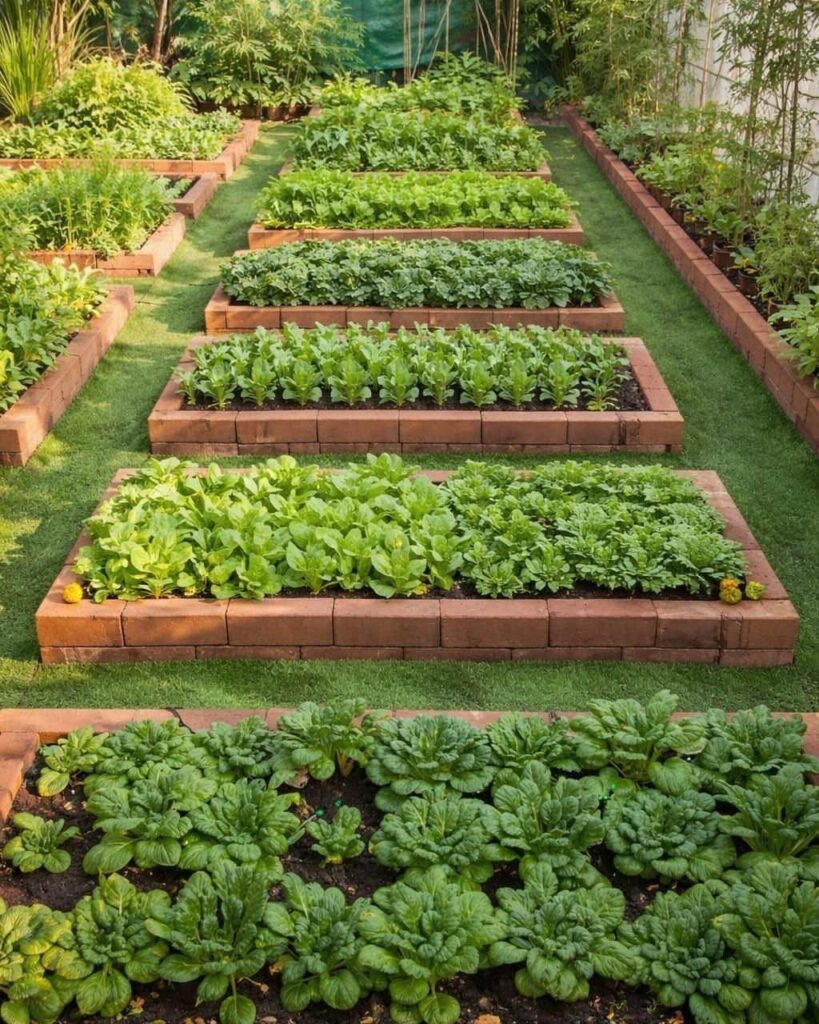
The ground you actually have, whether that’s a paved patio, a sunny yard or a few feet of fence, decides which of these pretty vegetable gardens will work for you.
A patio with only paving points to Container Gardening and Painted Tire Planters, while open yard can take Raised Beds, Traditional Row Gardening or a Formal Potager with Boxwood Hedges.
These ideas run from a few pots in Container Gardening to a Greenhouse Garden, so check your sun and space with Plan Around Sunlight and Space before you pick.
1. Raised Beds
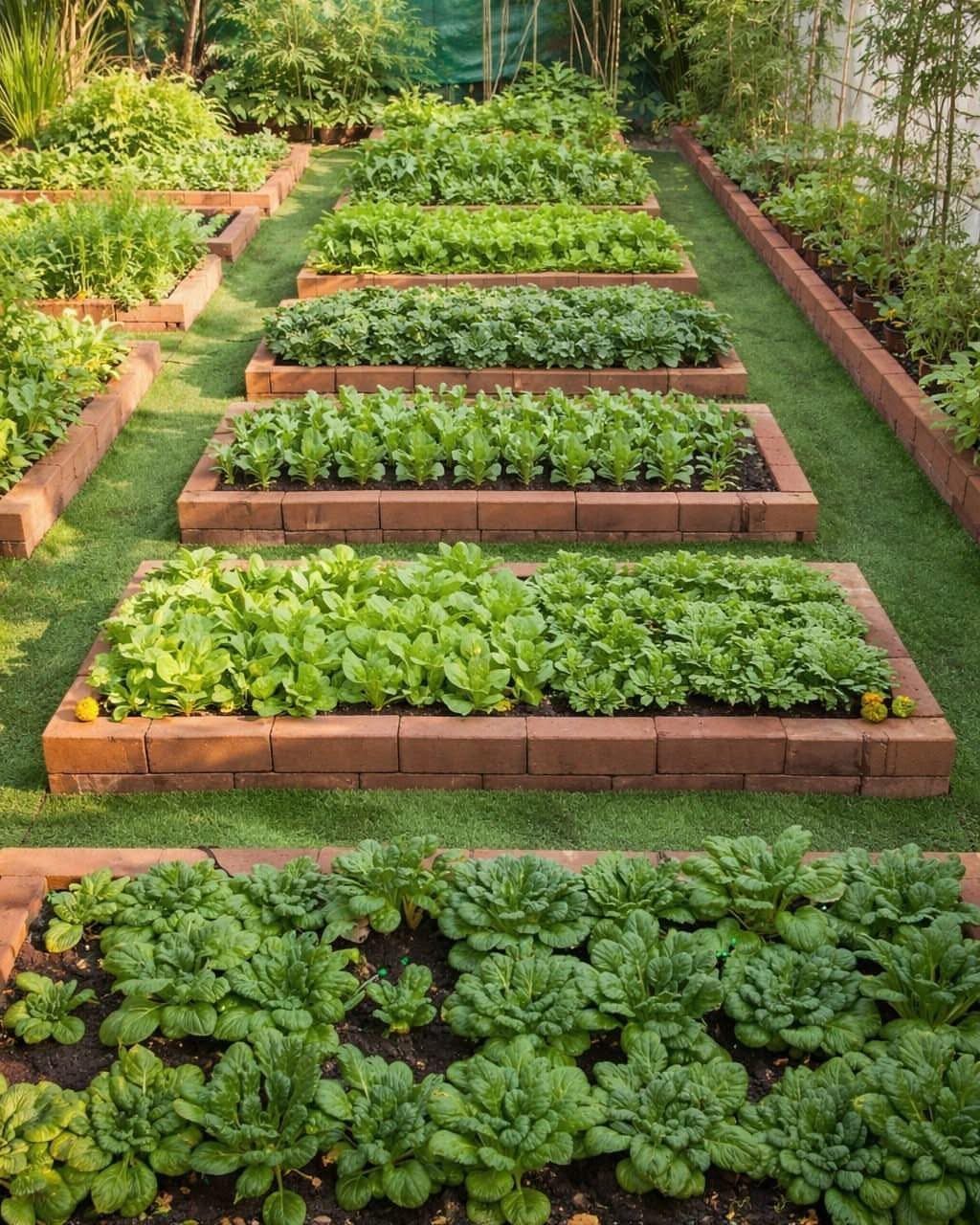
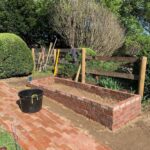
Brick edging gives a vegetable bed a finished look that lumber can’t quite match, and the reddish-brown color sets off leafy greens and herbs well.
Keep the beds rectangular and the same width so the lawn between them reads as a path.
Mowing that grass takes less effort than weeding bare soil. I would size each bed so you can reach the middle from either side without stepping in.
2. Vertical Gardening
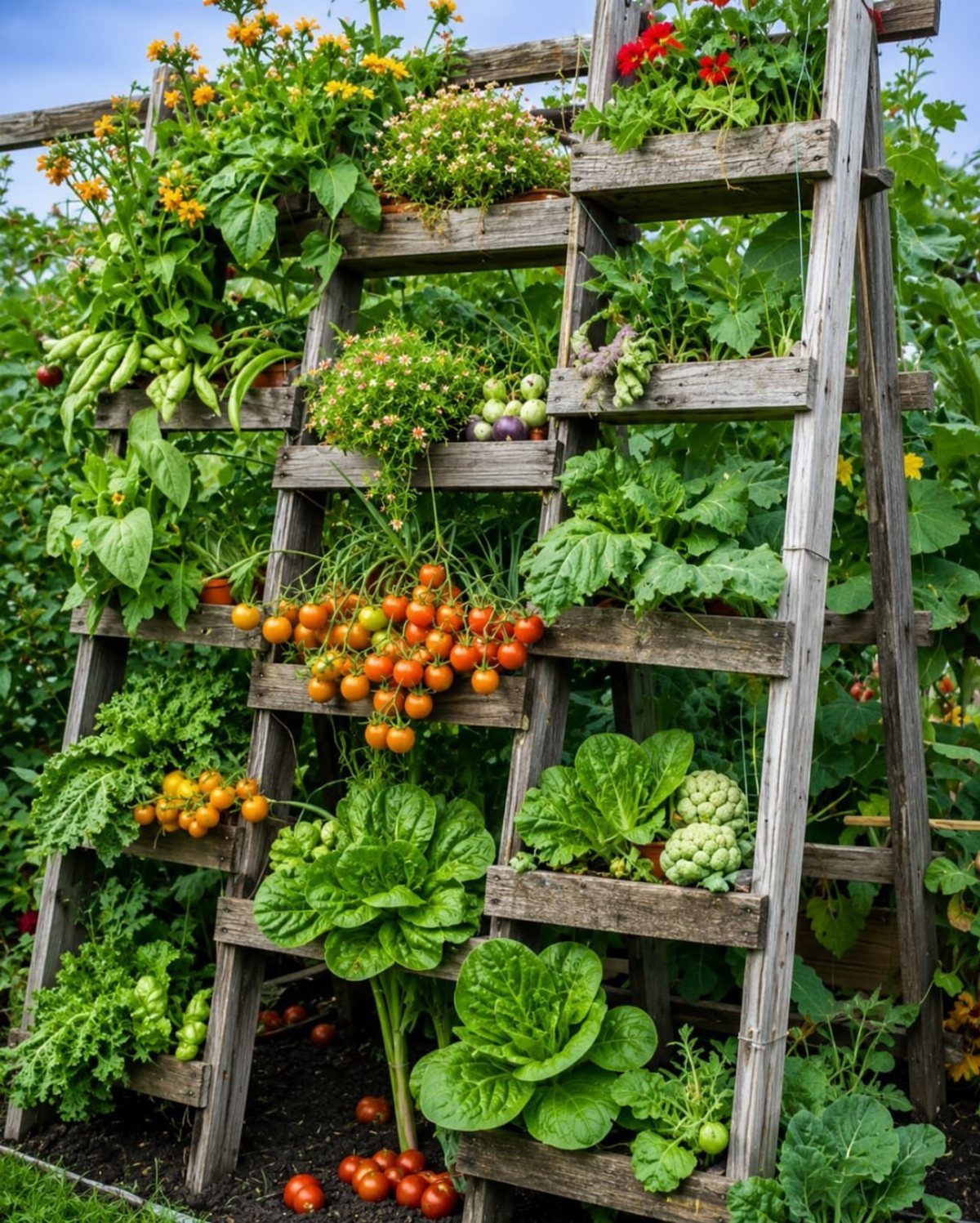
A wooden ladder leaned against a wall turns a few square feet of ground into several shelves of planting. Set a pot on each rung and mix trailing and upright crops, with yellow flowers tucked in for color.
Tomatoes, lettuce and cauliflower all fit this setup, though the heavy feeders will want the largest pots. Anchor the ladder so it can’t tip once the pots are watered and full.
3. Container Gardening
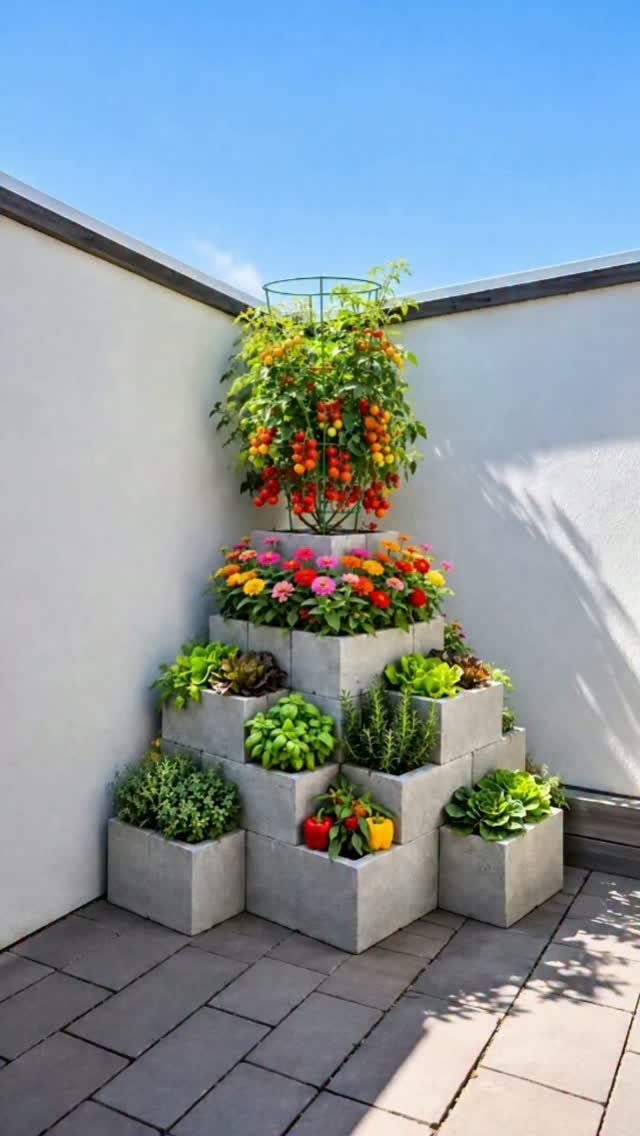
Stacking planters in tiers lets a patio hold a small garden without a single bed dug. Put a tomato in a cage at the top, where it can climb, and fill the lower levels with shorter vegetables and flowers.
Concrete looks sharp against white walls, but it is heavy, so settle the arrangement before you add soil. Containers are the answer when the only ground you have is paving.
4. Traditional Row Gardening
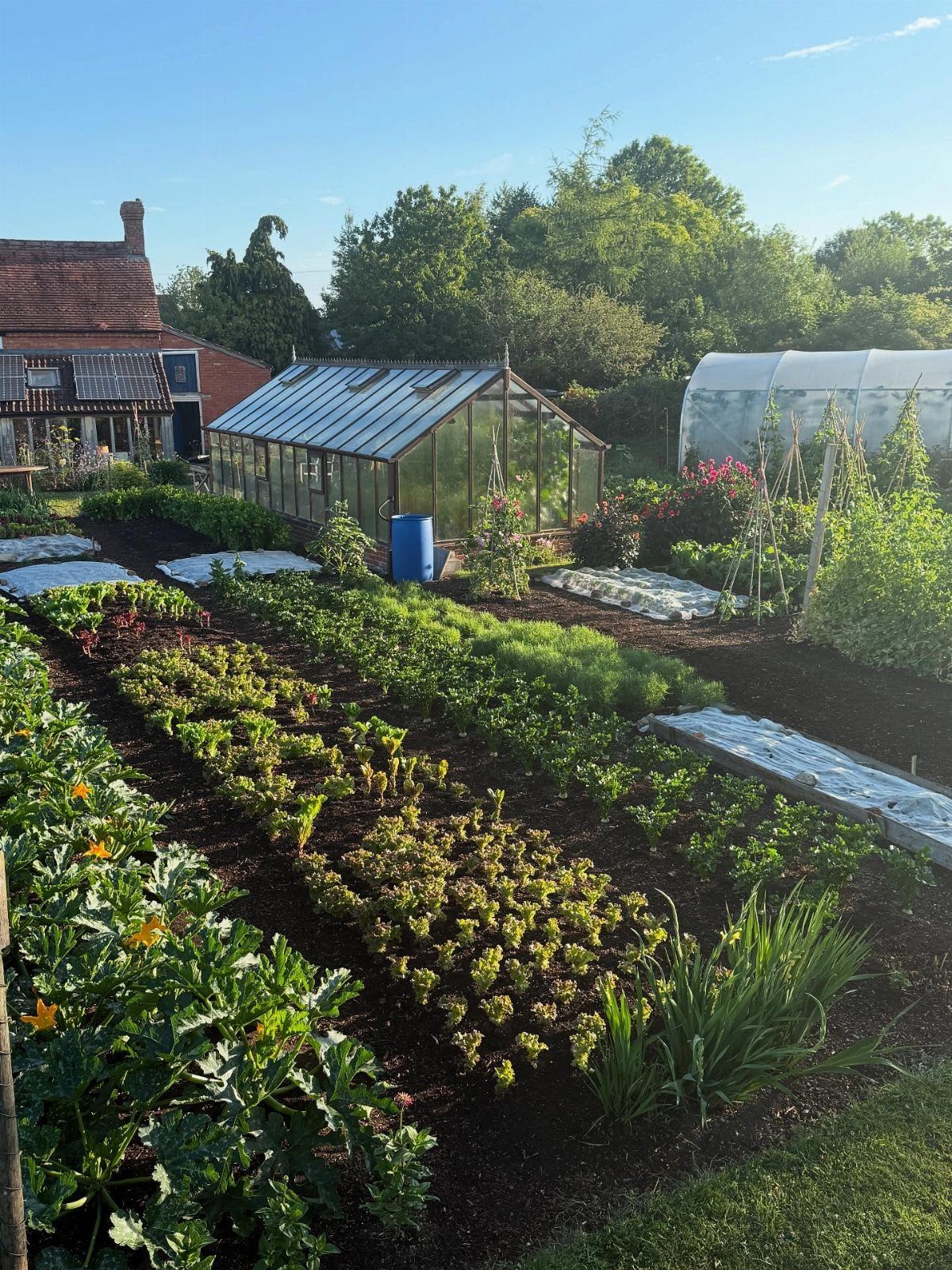
Straight rows are the oldest way to plant, and they still make sense when you have open yard. Evenly spaced lines make weeding, watering and harvesting easy to plan, and a tidy layout looks intentional even in a plain backyard.
I like pairing rows with a greenhouse or polytunnel nearby, so seedlings start under cover and move straight out. Keep the rows straight with a string line between 2 stakes.
5. Greenhouse Garden
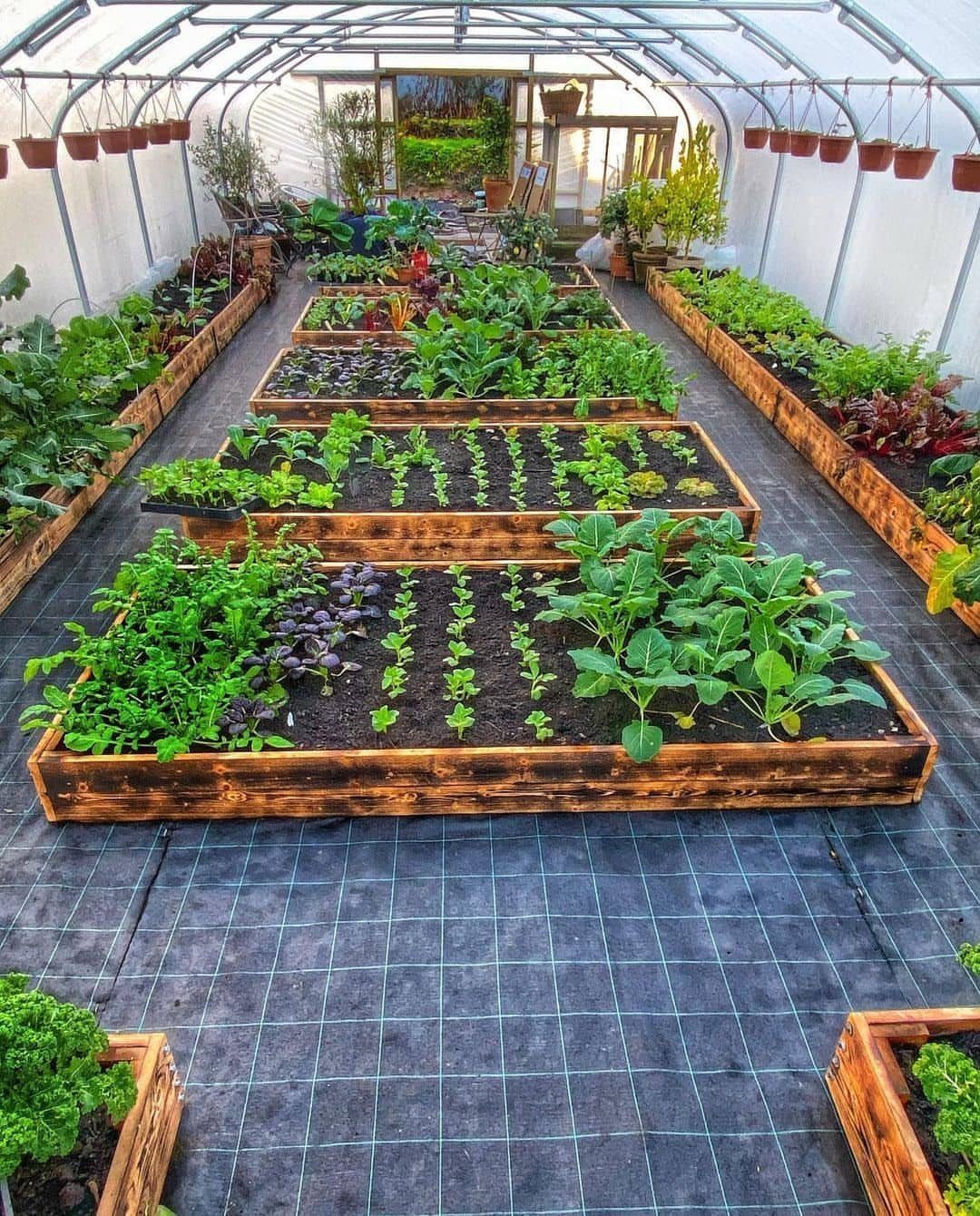
Wooden raised beds inside a greenhouse give you a controlled place to grow food and protect it. Lay a black weed barrier on the floor so paths stay clean, and the beds keep every crop in its own section.
Hanging pots from the ceiling add growing space without taking up floor. A greenhouse costs more than any other idea on this list, so start with a small one if the budget is tight.
6. Gutter Garden
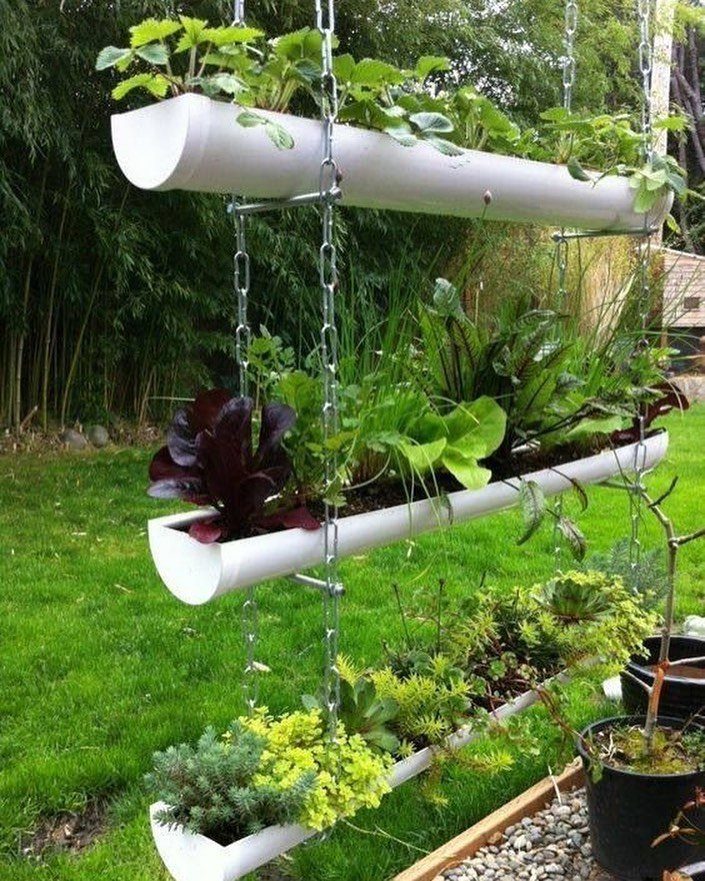
Old rain gutters make narrow planters that hang from chains, which suits a porch or pergola with no room for pots on the ground.
Paint the gutters white, since a bright base keeps them looking tidy and makes green and purple foliage stand out.
Hang several at staggered heights so each one gets light. Shallow troughs suit leafy edibles and succulents best, and I would skip anything with deep roots.
7. Mix Flowers and Vegetables
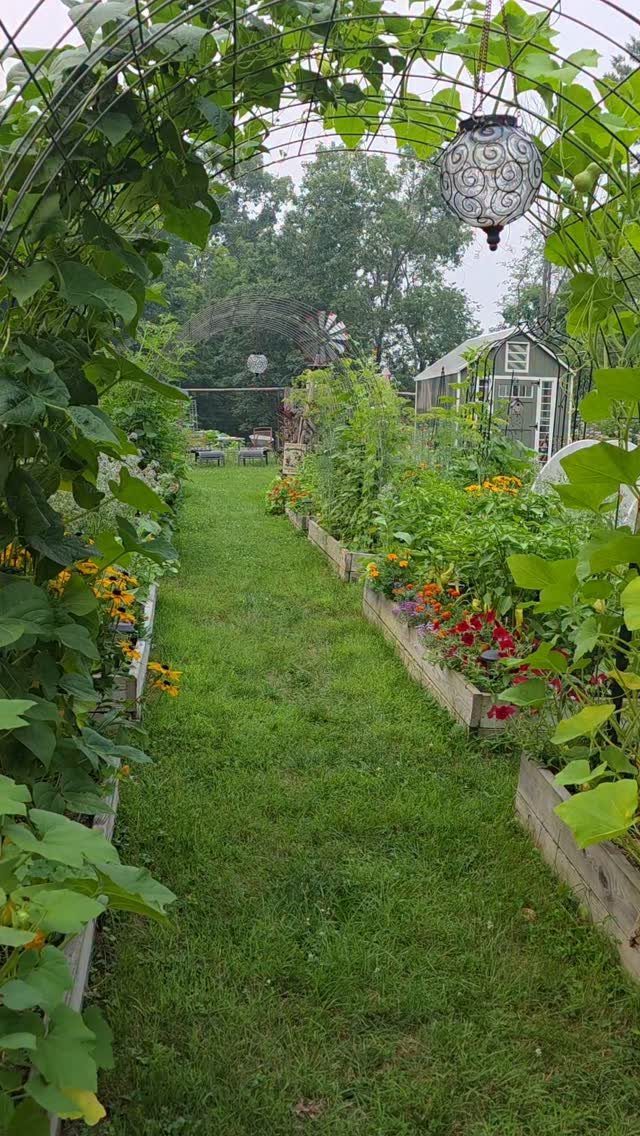
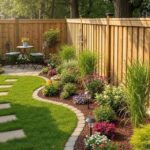
Flowers planted right inside the vegetable beds pull color into the garden and give pollinators a reason to visit. Tuck them among the crops instead of keeping them in a separate border.
I would keep the beds low and the path grass-wide, so the blooms spill toward the walkway. Choose flowers that stay a similar height to your vegetables, so neither one shades the other.
8. Personal Garden Details
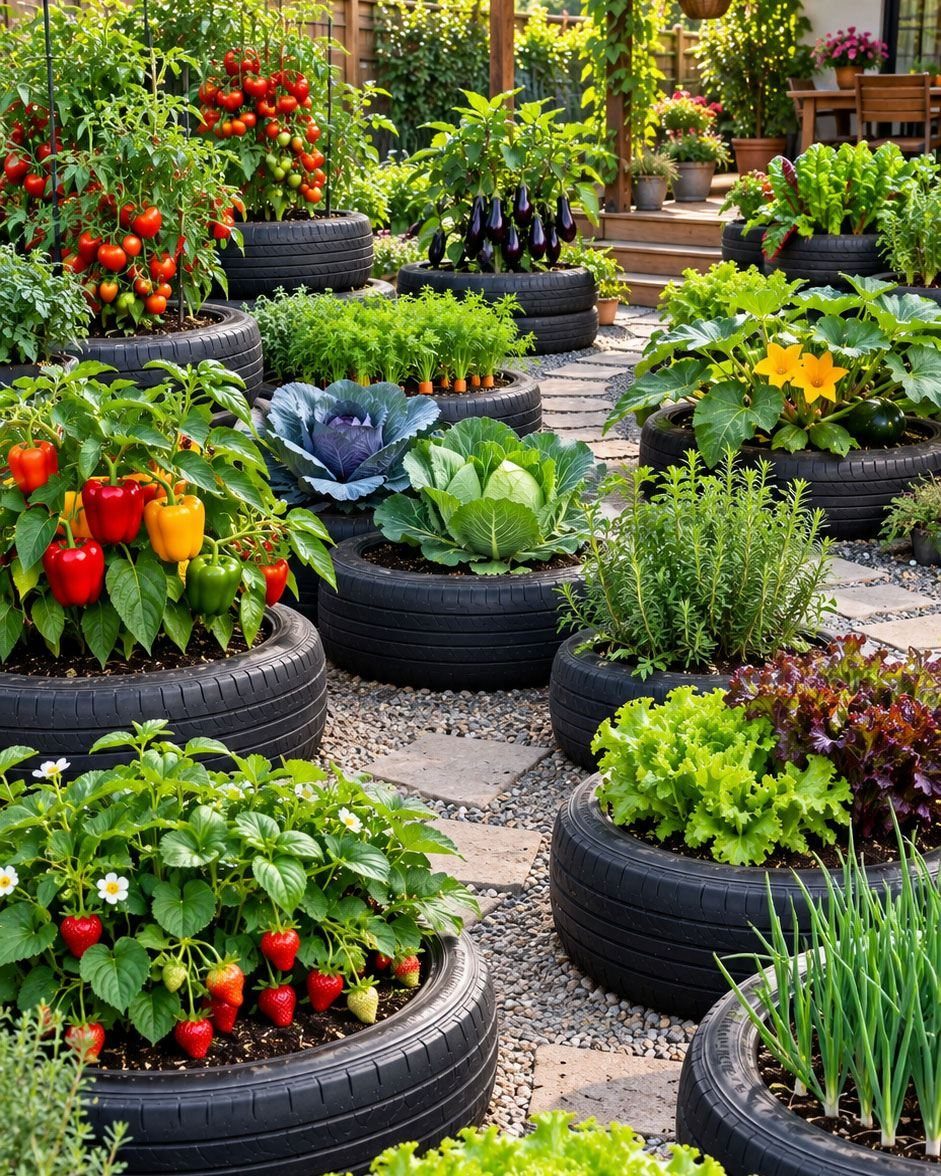
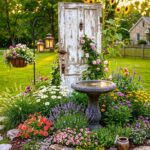
Personal objects tucked among the planters, like a small statue, a painted stake or a mailbox-style sign, give a front-yard vegetable garden its own character, and black tires on gravel make a plain backdrop for them.
Gravel keeps the walkway tidy around the planters.
Pick one or two touches that mean something to you, such as a painted sign or a favorite found object, and repeat them rather than scattering a dozen. Restraint reads as design.
And using your front yard as a vegetable garden doesn’t mean you have to miss out on ornamental plants.
9. Formal Potager with Boxwood Hedges
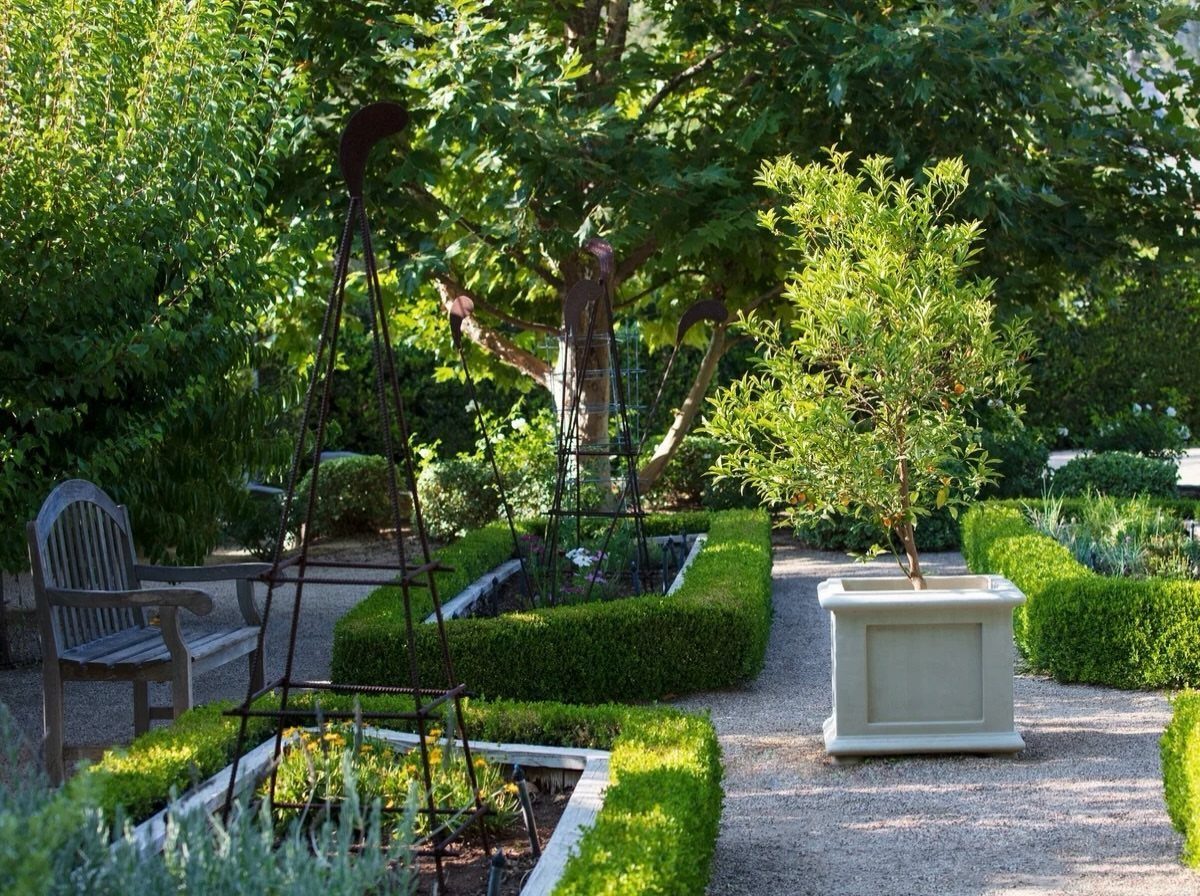
Clipped boxwood hedges around symmetrical beds give a vegetable garden the look of a formal estate. Gravel paths and metal obelisks add height and structure, even in winter when the beds are bare.
Boxwood takes patience and money to fill in, so I would start with a small pair of beds.
Keep both sides matched, since symmetry is what makes this style work. A bench at the end gives the layout a place to rest the eye.
10. Colorful Heirloom Crops
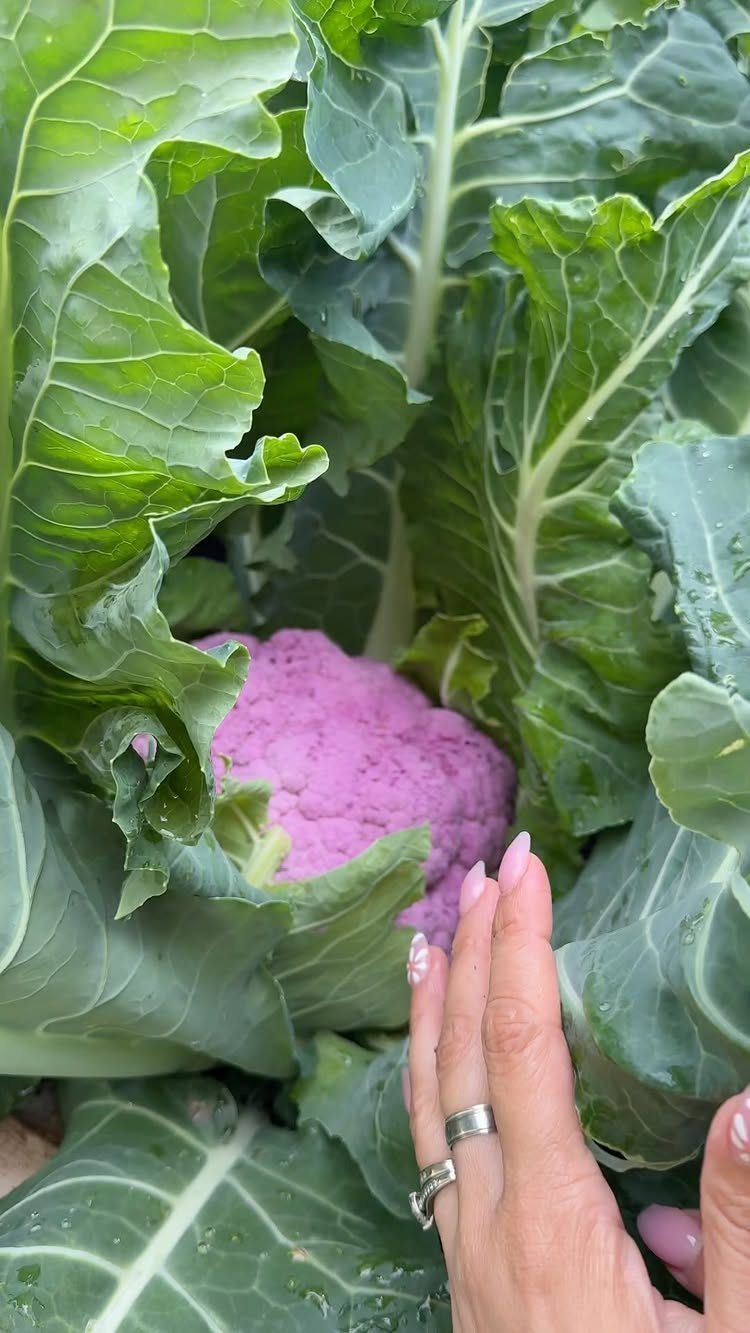
Purple cauliflower is a vegetable you plant partly for the color. The head sits against big green leaves, so a single plant looks like a deliberate feature.
I would place a few where the path bends, close enough to touch.
Colorful heirloom varieties are a cheap way to add drama, because seed costs far less than shrubs or flowers. Plant them where you will see them daily.
11. Garden Archway Entry
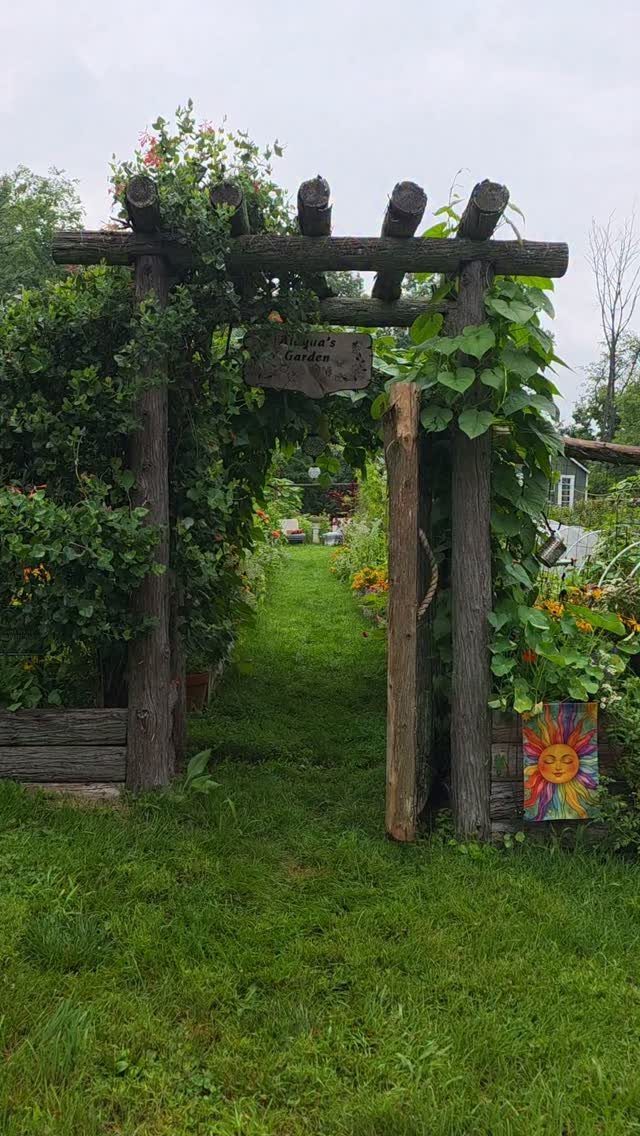
A rustic wooden pergola arch with climbing vines tells visitors they are entering something special. Hang a hand-lettered sign across the top with the garden’s name, and the entry feels like a place.
Choose sturdy timber, since vines get heavy once they fill in.
Set the posts firmly in the ground before you plant. Keep the path beyond the arch clear and inviting so the view draws people in.
12. Painted Tire Planters
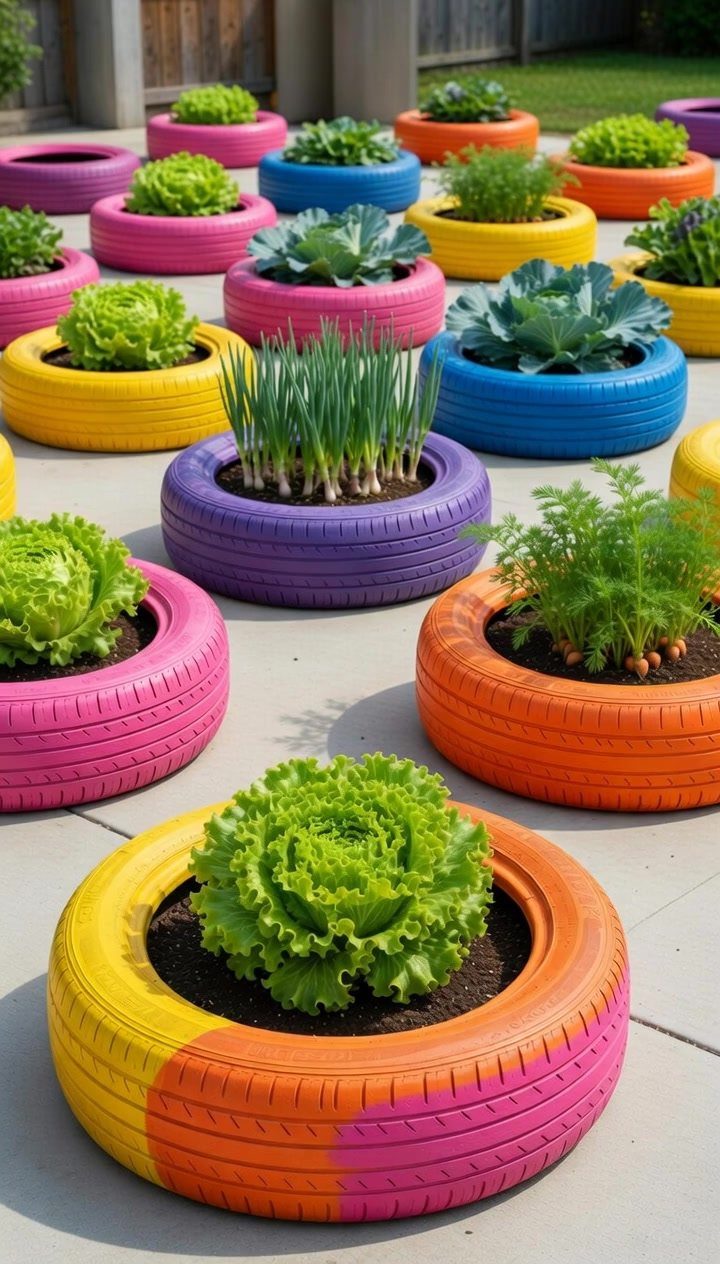
Painted tires give a concrete patio color without any digging: scrub them, use exterior spray paint or latex paint over a bonding primer, and fill them with potting mix and 1 or 2 plants each.
Each tire holds one crop, so the colors help you keep vegetables and herbs organized.
Paint them before filling, and use a bold shade that contrasts with the green leaves.
Reusing tires keeps the cost low, which suits a tight budget. Stack or group them tightly so the patio looks planned.
Plan Around Sunlight and Space
Before picking a layout, sketch your yard or patio on paper. Mark the house, fences, any trees, and every spot that throws shade, along with the space you actually have to plant.
Then look up how much direct sun each crop on your list needs, and mark each bed or pot to match. Sun lovers go in the brightest spots, and the shadier corners are left for crops that tolerate less.
Placement between crops matters too. Tall plants with big leaves can block light from shorter neighbors, so set the tallest ones where their shadow falls on a path or a wall, not on a smaller crop.
Start Small and Grow Gradually
Grow what you already like to eat, plus anything pricey at the store. A garden full of crops nobody wants goes to waste fast.
Start with one bed or a few pots.
A small plot is easy to keep up, and you can add more once you know how much time it takes. Sketching a multi-year plan helps you expand in stages.
Lettuce is a good first crop: it grows fast, takes little room, and tastes best fresh.
Cut-and-come-again greens like loose-leaf lettuce, chard, kale and mesclun sprout new leaves when you snip the outer ones, so a few plants keep feeding you.
Once beds and supports are in, test your watering setup. Fresh transplants and seedlings need soil that stays evenly damp for the first 2 weeks, since their roots haven’t spread far enough to find water on their own.
Watering and Soil Care
Pots dry out faster than ground soil, so check them often and water before the mix goes fully dry. Choose containers big enough for the crop, and put them in plenty of sun.
Raised beds give you more control over soil quality and can improve drainage. Fill them with good mix instead of whatever is underneath.
Drip irrigation delivers even water right at the roots, and it keeps leaves drier. That pairs well with good spacing, because air moving between plants keeps excess moisture from lingering and lowers the risk of disease.
Potted plants with slug or snail damage usually have the culprits hiding under the rim of the container, so tip each pot slightly and look there first.
Frequently Asked Questions
How do I make my garden pretty?
Repetition does most of the work in a pretty garden: tuck flowers between the vegetables, paint a few pots one bold color that stands out against green leaves, and echo a small handmade touch like a lettered sign.
Restraint reads as design, so a few matching details look more planned than a dozen scattered ones.
How do you start a vegetable garden?
Sketch your yard or patio first, marking the house, fences, trees and shady spots, then match each crop’s sun needs to a bed or pot.
What is a good way to grow vegetables in a small space?
Go vertical and use containers.
Leaning a ladder on a wall and setting a pot on each rung gives a few square feet several tiers of growing space, and a stack of planters does the same for a patio without any digging.
Start with one bed or a few pots, so the garden stays easy to keep up while you learn how much time it takes.
What is a good layout for a vegetable garden?
Rectangular raised beds of the same width, with grass between them as paths, make a tidy layout. Keep beds narrow enough, about 4 feet across, that your arms reach the center from either side and your feet stay on the path.
Put trellised tomatoes and pole beans on the north side of a bed, or where their shade lands on a walkway, so shorter crops still get their sun.
How often should you water your garden?
Containers lose water faster than ground soil, so poke a finger into the mix every day or so and water while it is still slightly damp.
If you plan to keep the garden for years, I’d spend on drip lines: they soak the root zone directly and leave the foliage dry.